Axens Reaches FID on Its LPI Technology License for S-Oil
Axens has reached an important project milestone in South Korea after its Liquid Phase Xylene Isomerization technology license for S-Oil reached Final Investment Decision. The new unit will be installed at S-Oil's Aromatics Complex #1 and is scheduled to start up in Q2 2027.
The project builds on a license agreement signed between S-Oil and Axens in late 2024. Axens will provide the technology license, process design package and technical services supporting project execution and start-up.
The investment is focused on improving aromatics complex performance, supporting paraxylene production and increasing energy efficiency within the xylene processing loop.
S-Oil Advances Its Aromatics Operations
S-Oil operates a major refining and petrochemical business in South Korea, with aromatics forming an important part of its downstream portfolio. The new LPI unit will be installed at Aromatics Complex #1 as part of the company's efforts to strengthen the performance of its petrochemical operations.
Xylene isomerization plays an important role in aromatics production because it allows different xylene isomers to be converted toward a more valuable product balance.
The process can therefore help producers optimize the use of available aromatic feedstocks while supporting downstream paraxylene production.
Axens LPI Technology Reaches a Key Milestone
The project has now moved beyond the investment decision stage, providing a clearer pathway toward construction and start-up. Axens' scope covers the technology license, process design package and technical services required during project execution and commissioning.
The planned Q2 2027 start-up gives the project a defined timeline for moving from engineering and execution toward commercial operation.
For technology suppliers, reaching FID represents an important step because it confirms that a licensed process has progressed into an approved investment project.
How Liquid Phase Xylene Isomerization Works
Xylene streams contain different isomers, including paraxylene, metaxylene and orthoxylene. Their relative values and downstream applications can differ, making isomerization an important technology for improving the overall utilization of aromatic feedstocks.
Liquid Phase Isomerization, or LPI, provides a process route for adjusting the xylene balance. Axens says its technology can optimize the relationship between liquid-phase and vapor-phase isomerization units within the xylenes loop.
This configuration can support energy savings while improving the overall performance of the aromatics complex.
Supporting Paraxylene Production
Paraxylene is a major petrochemical intermediate used in the production of purified terephthalic acid and polyester materials. Demand from polyester fibers, packaging and PET applications makes paraxylene an important component of the global petrochemical value chain.
Improving the efficiency of the xylenes loop can help producers make better use of available feedstocks. The S-Oil project is intended to support growing paraxylene demand while improving the performance of its existing aromatics operations.
For chemical buyers, developments in paraxylene production can have implications further downstream across polyester, PET and textile supply chains.
Energy Efficiency Is a Key Project Objective
Energy consumption remains a major consideration for large petrochemical complexes. Refining and aromatics operations involve heating, cooling, separation and reaction steps that require significant amounts of energy.
Axens states that its LPI technology can deliver substantial energy savings across the xylenes loop by optimizing the balance between liquid-phase and vapor-phase isomerization.
Improving energy efficiency can also contribute to lower operating costs and reduced emissions intensity, depending on the overall configuration and operating conditions of the complex.
Technology Licensing Strengthens Project Delivery
The S-Oil project demonstrates how technology licensing can combine proprietary process technology with engineering and technical support.
Axens' scope goes beyond providing a process license. The company is also responsible for the process design package and technical services during execution and start-up.
For petrochemical producers, this integrated support can help connect technology selection with detailed engineering and operational requirements.
Implications for the Global Petrochemical Market
New investments in aromatics processing can influence the supply chain for paraxylene and related downstream products. While the S-Oil project is an individual unit investment, improvements in operating efficiency can strengthen the competitiveness of an established petrochemical complex.
The project also highlights the continuing importance of process optimization in mature petrochemical facilities. Instead of relying only on large-scale new capacity, producers can improve competitiveness through technology upgrades, energy efficiency and better integration of existing units.
This approach can become increasingly relevant as petrochemical producers manage energy costs and changing market conditions.
Opportunities for Chemical Buyers and Traders
The expansion and optimization of aromatics capacity can create downstream opportunities for companies trading products connected to the xylene and polyester value chain.
Purified Terephthalic Acid, for example, is an important downstream product made using paraxylene and serves as a major raw material for polyester and PET production.
For traders and procurement teams, monitoring investments in aromatics complexes can provide useful signals about future feedstock availability and regional petrochemical supply.
South Korea's position as an established petrochemical manufacturing hub also makes developments at major complexes relevant to Asian chemical trade flows.
What Buyers Should Watch
The S-Oil project provides several points for chemical procurement and trading teams to monitor.
Q2 2027 start-up: The planned commissioning timeline will be an important milestone for the new LPI unit.
Paraxylene supply: Increased efficiency at the aromatics complex could support paraxylene production and downstream markets.
Energy performance: The project's focus on optimizing the xylenes loop highlights the growing importance of energy-efficient process technology.
Downstream PET demand: Changes in paraxylene availability can affect PTA and polyester supply chains.
South Korean exports: Improved petrochemical efficiency could influence regional sourcing options for Asian buyers.
Technology adoption: Wider deployment of advanced isomerization technology could support efficiency improvements across existing aromatics facilities.
Looking Ahead to 2027
The S-Oil LPI project has moved into a more advanced stage after reaching Final Investment Decision, with start-up planned for Q2 2027. Axens will provide the licensed technology, process design package and technical support through execution and start-up.
The project reflects a broader focus within the petrochemical industry on improving existing assets through process technology, energy efficiency and better integration.
For chemical traders and procurement teams, developments such as this are useful indicators of how regional aromatics capacity and downstream supply chains could evolve over the coming years.
Ready to source Purified Terephthalic Acid from verified global suppliers? Explore competitive offers on our platform today
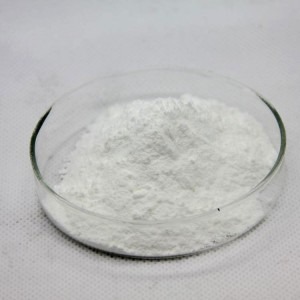
Purified Terephthalic Acid
Found this useful?