India - BASF Evaluates Investment in a New MDI Plant
BASF is evaluating a potential investment in a new methylene diphenyl diisocyanate (MDI) plant in India, signaling growing interest in expanding polyurethane production capacity in one of Asia’s major industrial markets. The proposed project could strengthen BASF’s local manufacturing capabilities and support rising demand for polyurethane-based materials across construction, automotive, appliances and other industries.
BASF Assesses New MDI Investment in India
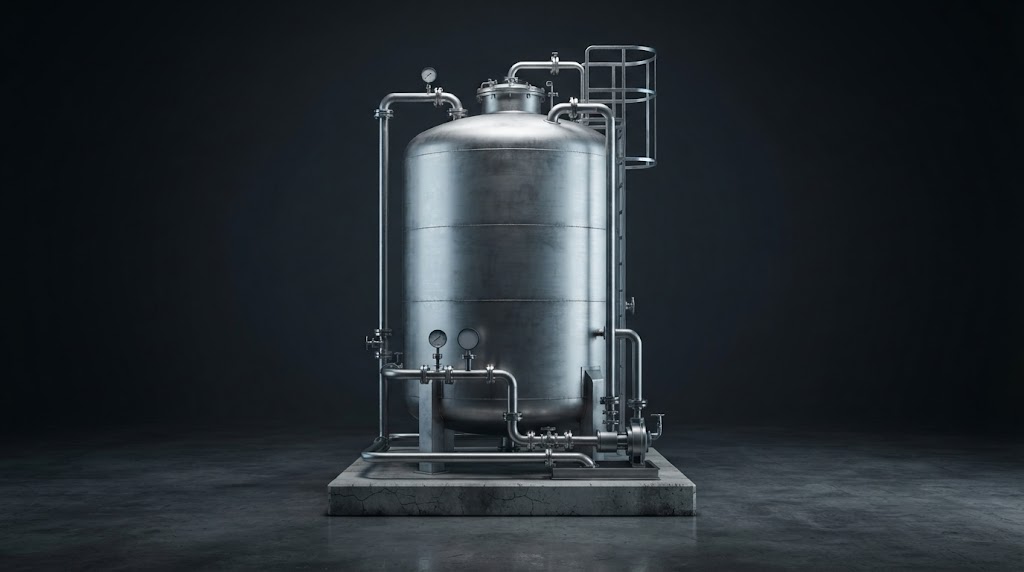
The potential investment is part of BASF’s efforts to assess future production opportunities in India. A new MDI facility would expand the company’s ability to manufacture a key chemical used in the production of polyurethane materials.
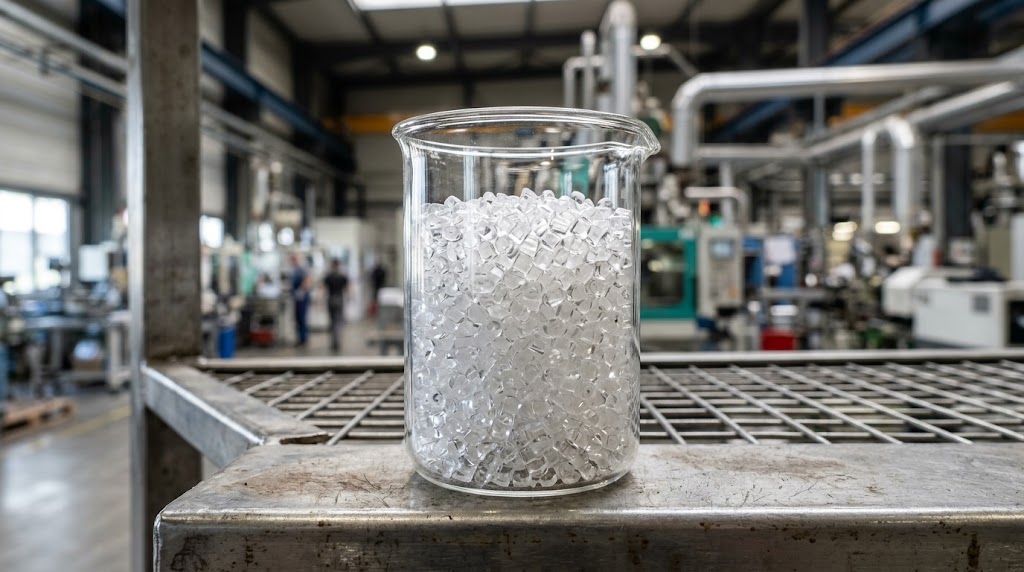
MDI is an important raw material for rigid polyurethane foams, which are widely used for insulation, refrigeration equipment, construction products and energy-efficient applications. It is also used in various industrial and consumer applications where durability, thermal insulation and lightweight materials are required.
While the investment is still under evaluation, the proposed plant reflects the importance of India as a growing market for advanced chemical products.
What Is MDI?
Methylene diphenyl diisocyanate, commonly known as MDI, is a major chemical building block used to produce polyurethane. Polyurethane materials are valued for their combination of strength, flexibility, insulation properties and resistance to wear.
MDI is particularly important in the production of rigid polyurethane foam. These foams are used in building insulation, refrigerators, freezers, cold-storage systems and other applications where thermal efficiency is important.
The material can also be used in adhesives, coatings, sealants and elastomers, giving MDI a broad industrial application base.
Why India Is an Important Market
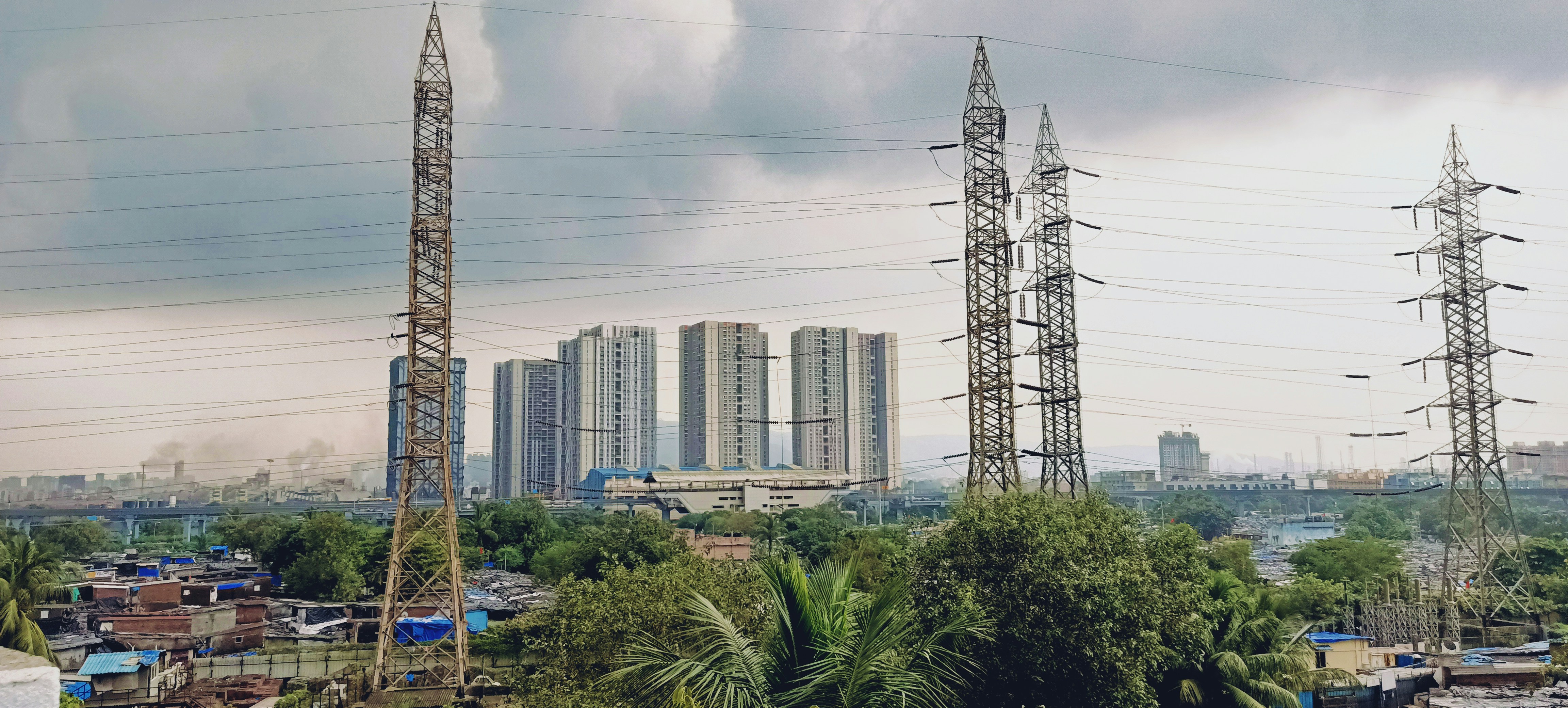
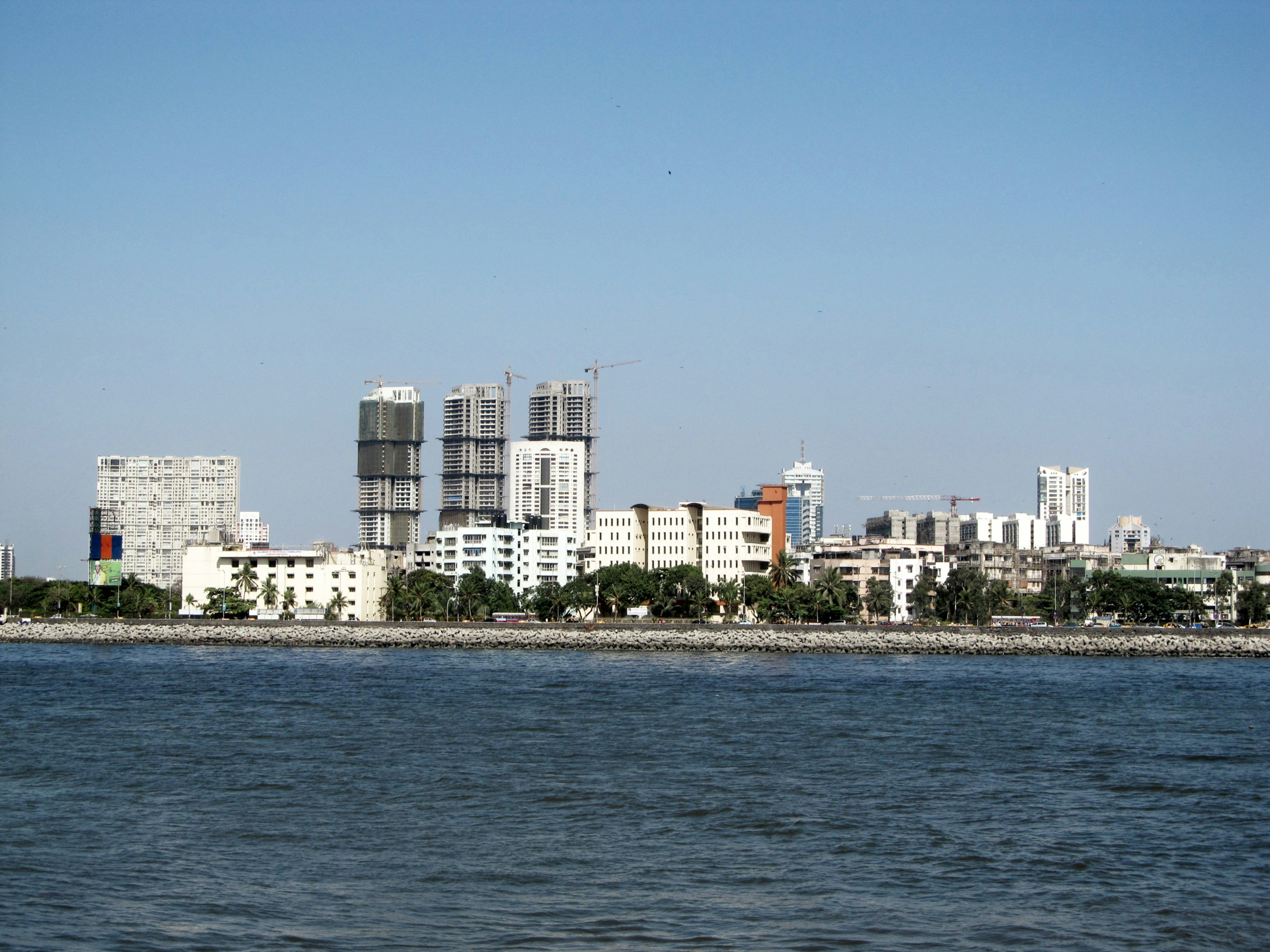
India has experienced significant industrial and infrastructure development, increasing demand for materials used in construction, transportation, appliances and manufacturing.
The country's expanding building sector is particularly relevant to the polyurethane market. Insulation materials made using polyurethane can help improve the energy efficiency of buildings by reducing heat transfer.
Demand can also come from India's growing automotive and consumer appliance industries. Lightweight and durable polyurethane materials are used in vehicles, refrigerators and other products.
A local MDI production facility could therefore provide BASF with an opportunity to serve customers in India and potentially strengthen its position in the wider Asian market.
Potential Benefits of a New MDI Plant
If the project moves forward, a new MDI plant could provide several potential benefits.
Increased Local Production
Additional domestic production capacity could help BASF supply MDI more directly to customers in India and reduce reliance on imported material.
Support for Growing Industries
Industries such as construction, automotive and appliances increasingly require high-performance materials. Additional MDI capacity could support manufacturers using polyurethane technologies.
Strengthened Supply Chains
Producing key chemical raw materials closer to major customer markets can contribute to more resilient regional supply chains and reduce exposure to international transportation disruptions.
Long-Term Market Development
A new production facility could also support the development of India's polyurethane industry by providing customers with greater access to locally produced raw materials and technical expertise.
Investment Still Under Evaluation
It is important to note that the proposed MDI plant remains under evaluation. Large-scale chemical investments typically require detailed assessments covering market demand, technology, infrastructure, raw-material availability, environmental requirements and overall project economics.
A final investment decision would determine whether the proposed facility moves from the evaluation stage to detailed engineering and construction.
The timeline and scale of any potential project may therefore depend on the outcome of these assessments and BASF's investment decisions.
BASF's Presence in India
BASF has maintained a significant presence in India for decades, serving customers across multiple industries including chemicals, agriculture, automotive, construction and consumer products.
Expanding manufacturing capabilities in the country would align with India's broader industrial development and the increasing importance of the Indian market for global chemical producers.
A potential MDI investment would represent another step in developing advanced chemical production capabilities within the country.
Impact on the Polyurethane Industry
The development could be significant for India's polyurethane industry if BASF proceeds with the investment.
MDI is a fundamental component in several polyurethane applications, particularly insulation and rigid foam products. Additional production capacity could provide downstream manufacturers with another source of supply while supporting future growth in applications that require energy-efficient and high-performance materials.
The project could also contribute to the development of related chemical-processing and manufacturing activities around the new facility.
Looking Ahead
BASF's evaluation of a new MDI plant highlights the company's interest in India's long-term growth potential and the increasing importance of polyurethane materials in modern industries.
For now, the project remains at the assessment stage, meaning its final size, investment value, construction timeline and production capacity will depend on BASF's future decisions.
If approved, however, the facility could become an important addition to India's chemical manufacturing infrastructure and help meet the country's growing demand for MDI and polyurethane-based products.
Conclusion
BASF's evaluation of a potential new MDI plant in India reflects the country's growing role in the global chemicals and manufacturing landscape. MDI is an essential raw material for polyurethane products used across construction, automotive, appliances and industrial applications.
While the investment has not yet moved beyond the evaluation stage, a new facility could strengthen local supply, support downstream industries and expand BASF's manufacturing capabilities in India. The next major milestone will be BASF's decision on whether to proceed with the proposed investment.
Found this useful?