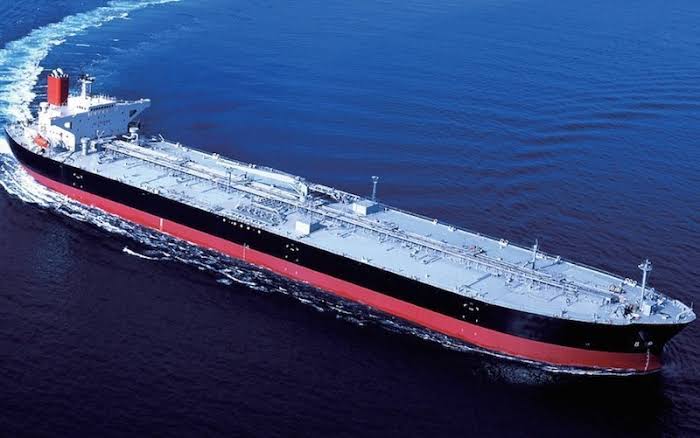
The Baltic Dry Index (BDI) has declined to its lowest level in more than two weeks, offering one of the latest signals from the global bulk shipping market. Although a two-week low does not establish a long-term trend, it provides useful intelligence for procurement teams monitoring freight costs, commodity movements and industrial activity.
For chemical traders, procurement managers and bulk importers, the Baltic Dry Index deserves attention because it reflects the cost of moving major raw materials across international shipping routes. Lower freight rates can eventually influence delivered chemical costs, sourcing decisions and inventory strategies. The challenge lies in determining whether the latest decline represents a temporary correction or the beginning of a broader shift in global freight conditions.
Why the Baltic Dry Index Matters to Chemical Trade
The Baltic Dry Index measures freight rates for vessels transporting bulk commodities including iron ore, coal, grains and other raw materials.
Although many chemicals move in tankers or containers rather than dry bulk vessels, the index remains an important indicator of global shipping conditions and industrial demand.
Bulk freight markets often respond quickly to changes in commodity trade, vessel availability and manufacturing activity.
For chemical buyers, the BDI provides valuable context because shipping costs influence overall procurement economics even when the chemicals themselves travel through different logistics networks.
A softer bulk freight market can eventually affect charter rates, vessel availability and broader transportation sentiment across international trade.
Rather than viewing the index in isolation, procurement teams should consider it alongside tanker markets, container freight and regional logistics conditions.
What a Two-Week Low Actually Signals
A move to a two-week low should be viewed as an early directional signal rather than confirmation of a major freight cycle.
Short-term declines can result from seasonal shipping patterns, temporary changes in cargo demand or increased vessel availability.
However, freight markets often provide advance information about broader industrial activity.
Lower freight rates may indicate:
Softer demand for bulk commodity shipments.
Greater availability of dry bulk vessels.
Reduced congestion at loading or discharge ports.
Changing trade flows between major importing and exporting regions.
Improved shipping efficiency across selected routes.
Each explanation carries different implications for chemical procurement.
The current decline should therefore be interpreted within the wider context of commodity demand, manufacturing activity and global logistics.
Freight Costs Influence More Than Transportation
Shipping costs affect much more than the movement of cargo.
For bulk chemicals and industrial raw materials, freight often represents a significant share of the delivered price. A decline in freight can improve import economics even if factory-gate prices remain unchanged.
Lower logistics costs can also expand sourcing options.
Suppliers located farther from the buyer may become more competitive when ocean freight weakens, increasing procurement flexibility and encouraging broader supplier diversification.
Conversely, if freight rates recover quickly, these temporary advantages may disappear.
Chemical buyers should therefore separate product pricing from logistics costs when comparing supplier quotations.
Bulk Freight and Industrial Demand Often Move Together
The Baltic Dry Index frequently reflects changes in industrial activity because bulk carriers transport many of the raw materials used by manufacturing sectors.
Lower freight rates can indicate slower purchasing activity among steel producers, utilities, construction companies or agricultural markets.
This relationship is not always direct, but it provides useful context.
Chemical demand often overlaps with these industries. Construction, manufacturing and metals all consume significant volumes of industrial chemicals.
A weaker freight environment may therefore coincide with softer demand for certain chemical categories.
At the same time, lower shipping costs can improve purchasing opportunities for importers by reducing total landed costs.
Procurement teams should distinguish between demand signals and logistics advantages before adjusting buying strategies.
What Lower Bulk Freight Could Mean for Chemical Buyers
The latest BDI decline could provide several advantages for chemical procurement if freight conditions remain favourable.
Potential benefits include:
Lower landed costs for imported industrial materials.
Improved competitiveness among overseas suppliers.
Greater flexibility when comparing sourcing regions.
Reduced logistics pressure for long-distance procurement.
Opportunities to negotiate better freight terms with logistics providers.
These advantages will vary depending on the chemical, shipment size and transport method.
Products moving primarily in chemical tankers may experience a weaker relationship with the BDI than dry bulk commodities.
Nevertheless, broader improvements in maritime logistics often influence commercial sentiment across multiple shipping sectors.
Why Tanker Markets Still Require Separate Analysis
The Baltic Dry Index should never be used as the only freight indicator for chemical markets.
Many liquid chemicals move aboard specialised chemical tankers rather than dry bulk vessels. Their freight economics depend on different supply-demand dynamics.
Factors such as tanker availability, regional trade patterns, hazardous cargo requirements and port restrictions can cause tanker rates to diverge from dry bulk markets.
For example, a falling BDI can occur alongside stable or rising chemical tanker freight if demand for liquid cargo remains strong.
Procurement teams should therefore combine several shipping indicators rather than relying on one benchmark.
A comprehensive freight assessment should include:
Baltic Dry Index trends.
Chemical tanker market conditions.
Container freight developments where relevant.
Marine fuel prices.
Port congestion and vessel waiting times.
Regional shipping disruptions affecting key trade routes.
This broader approach produces a more accurate picture of logistics costs.
How Suppliers May Respond to Lower Freight Costs
Suppliers do not always pass freight savings directly to buyers.
Some exporters may retain part of the logistics benefit, particularly if product demand remains healthy or inventories are tight.
Others may use lower shipping costs to improve their competitiveness in export markets.
Chemical buyers should therefore compare multiple quotations before assuming that freight declines will automatically reduce delivered prices.
Negotiations may become more productive during periods of softer freight because logistics providers and exporters often compete more aggressively for available cargo.
Long-term buyers may also find opportunities to secure improved shipping terms while freight markets remain relatively weak.
Which Chemical Categories Benefit Most?
The effect of lower bulk freight differs across product groups.
Products with high shipment volumes and relatively low unit values generally benefit the most because transportation forms a larger percentage of total cost.
Examples include:
Bulk inorganic chemicals.
Fertilizer raw materials.
Industrial minerals.
Soda ash.
Sulphur.
Calcium carbonate.
Other high-volume industrial commodities.
Products such as soda ash dense can become more competitive internationally when ocean freight declines because logistics play an important role in final pricing.
Higher-value specialty chemicals usually experience a smaller percentage benefit because freight represents a lower share of overall product value.
Procurement teams should prioritise freight analysis for bulk materials where shipping costs significantly influence purchasing decisions.
Indicators That Will Show Whether the Trend Continues
A two-week low provides an early signal, but confirmation requires continued monitoring.
Procurement teams should watch whether the BDI continues declining or begins recovering over the coming sessions.
Several related indicators deserve attention:
Global commodity export volumes.
Vessel utilisation rates.
Port congestion levels.
Dry bulk charter activity.
Steel and construction demand.
Agricultural export flows.
Fuel prices affecting vessel operating costs.
If several indicators move in the same direction, confidence in the freight trend increases.
A single short-term decline, however, should not automatically drive major procurement decisions.
What Procurement Teams Should Take From the Latest BDI Move
The Baltic Dry Index reaching a two-week low provides a useful early signal that bulk freight conditions may be easing. While the move alone does not establish a lasting trend, it offers procurement professionals another data point when evaluating international sourcing opportunities.
Lower freight costs can improve delivered pricing, increase supplier competitiveness and reduce logistics expenses for high-volume chemical imports. At the same time, softer freight may reflect slower industrial demand, making it important to analyse both cost and consumption indicators together.
Chemical buyers should avoid relying solely on the Baltic Dry Index because many products move through specialised tanker markets with different pricing dynamics.
The strongest procurement decisions combine freight intelligence with supplier quotations, commodity prices, port activity and inventory conditions. Viewed alongside these indicators, the latest BDI decline becomes a valuable tool for identifying opportunities while maintaining disciplined sourcing strategies.
Ready to source Soda Ash Dense - India from verified global suppliers? Explore competitive offers on our platform today.