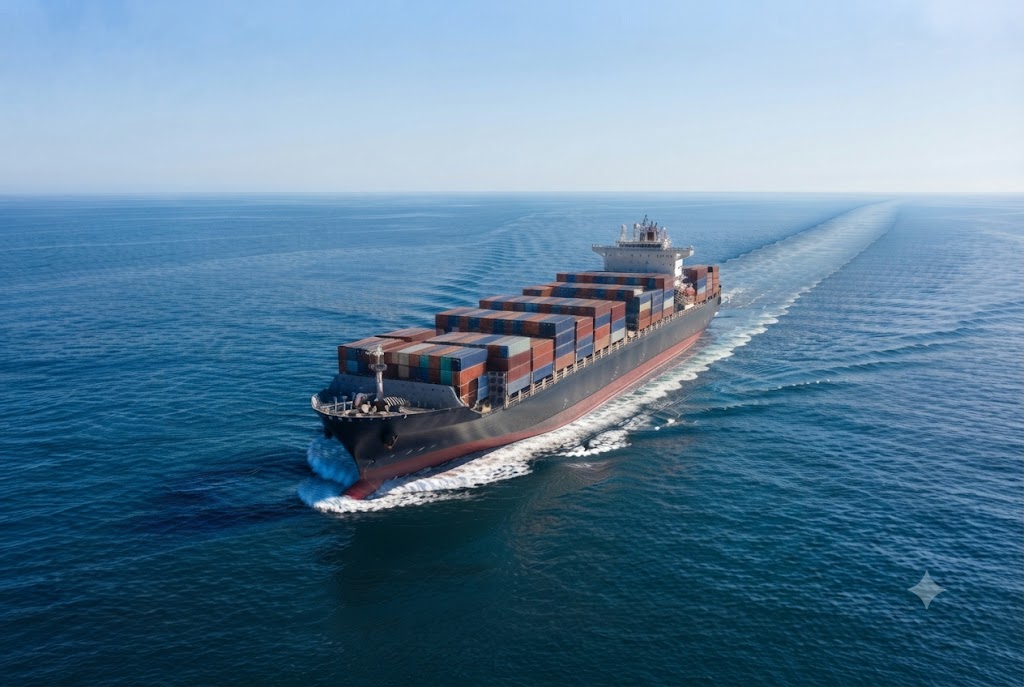
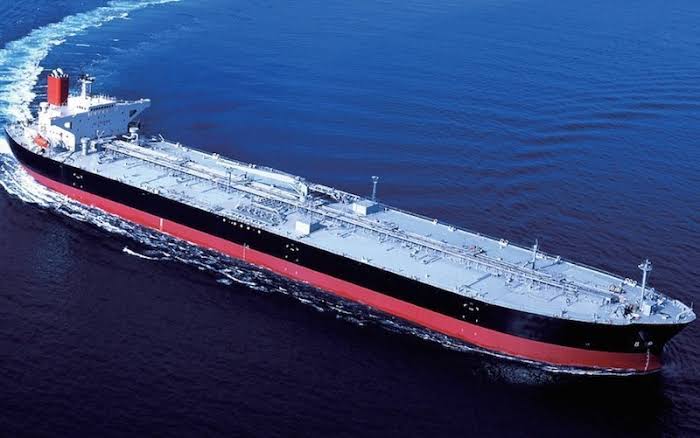
The Baltic Dry Index recently fell to a two-week low. This decline signals weakening demand for bulk shipping capacity across global trade routes. For chemical traders and procurement managers, this metric offers more than just a freight rate indicator. It directly impacts how vessel operators manage emissions compliance timelines. International maritime regulations demand significant capital investment for environmental upgrades. However, depressed freight markets leave shipowners with limited financial resources to fund these mandatory changes. Buyers must understand this dynamic to anticipate future supply chain disruptions.
Understanding the Baltic Dry Index Decline
The Baltic Dry Index measures the cost of shipping major raw materials by sea. A drop to a two-week low indicates reduced cargo volumes or excess vessel availability. Chemical exporters rely on these bulk carriers to move resins, fertilizers and feedstocks globally.
Lower index values translate directly to reduced freight revenues for shipowners. Operators face immediate pressure to cut operational costs to maintain profitability. This financial strain directly conflicts with the capital-intensive requirements of modern environmental regulations.
Bulk chemical shipments require specialized handling and strict scheduling. A weakened freight market reduces the incentive for operators to maintain premium service levels. Buyers may experience lower priority for their cargo during port congestion. This dynamic creates unpredictable delivery windows for critical manufacturing inputs.
How Freight Rate Weakness Impacts Emissions Compliance
International shipping faces strict new environmental mandates today. Regulations like the Energy Efficiency Existing Ship Index and the Carbon Intensity Indicator require verifiable carbon reductions. Vessel operators must invest in cleaner fuels or efficiency technologies to meet these standards.
Depressed freight rates make these investments financially difficult. Shipowners struggle to justify the high upfront costs of scrubbers or dual-fuel engines when daily earnings fall. Consequently, many operators may delay or defer necessary upgrades to preserve cash flow.
This delay creates a significant regulatory risk for the entire fleet. Vessels failing to meet compliance thresholds face severe operational restrictions from port authorities. Ports may deny entry to non-compliant ships, instantly disrupting chemical delivery schedules.
Regulatory Pressures on Chemical Shipping
Maritime authorities actively monitor fleet compliance through centralized global databases. Regulators assign carbon intensity ratings to every commercial vessel on an annual basis. Ships receiving poor ratings must submit corrective action plans immediately to avoid penalties.
Failure to improve these ratings results in mandatory operational restrictions. Authorities may force vessels to reduce speed or limit cargo capacity significantly. These enforced limitations drastically reduce the available shipping tonnage for chemical exports.
Procurement teams must verify the compliance status of their contracted carriers. Relying on non-compliant vessels invites sudden cargo seizures or port rejections. Buyers bear the ultimate responsibility for ensuring their supply chains meet environmental standards.
Operational Challenges for Vessel Owners
Ship operators face a complex dilemma in the current market environment. They must balance immediate financial survival with long-term regulatory mandates. Many owners opt for slow steaming to reduce fuel consumption and lower carbon output.
While slow steaming improves carbon ratings, it severely extends transit times. Chemical buyers experience prolonged delivery windows and unpredictable inventory arrivals. This operational shift disrupts just-in-time manufacturing models across the chemical sector.
Furthermore, alternative low-carbon fuels remain expensive and scarce globally. Vessel operators cannot easily switch to green methanol or ammonia without massive infrastructure investments. The current freight market simply does not support these rapid technological transitions.
Supply Chain Ripple Effects for Chemical Buyers
The intersection of weak freight rates and strict environmental rules creates unique supply chain vulnerabilities. Chemical importers face compounding risks from this dual market pressure. Procurement managers must recalculate their reorder points immediately to account for these extended lead times.
Extended transit times: Slow steaming and port delays increase the total days cargo spends at sea. Buyers must finance this inventory for longer periods before it reaches the warehouse.
Unpredictable freight surcharges: Carriers may impose sudden environmental fees to offset compliance costs. These charges appear without warning on final invoices and disrupt budget forecasting.
Vessel availability constraints: Non-compliant ships face trading restrictions in major markets. This artificial shortage drives baseline charter rates higher for the remaining compliant fleet.
Cargo rejection risks: Ports strictly enforce environmental entry requirements today. Buyers risk total shipment loss if their carrier fails a compliance audit upon arrival.
Strategic Sourcing Adjustments for Procurement Teams
Chemical buyers must adapt their procurement strategies to navigate this evolving maritime landscape. Proactive planning provides the only reliable defense against regulatory and logistical volatility. Implement flexible contract structures that share regulatory risk transparently between buyer and seller.
Audit carrier compliance records. Request current carbon intensity ratings from all logistics partners. Prioritize contracts with vessels holding strong environmental grades to ensure uninterrupted service.
Renegotiate Incoterms. Shift from free on board to cost, insurance and freight terms where possible. This transfers the regulatory compliance risk to the supplier during transit.
Build strategic inventory buffers. Holding additional safety stock protects against sudden delivery delays. The carrying cost of extra inventory is often lower than the cost of a production halt.
Evaluate alternative transport modes. Rail or pipeline networks offer lower carbon intensity for specific regional routes. These options bypass maritime emissions regulations entirely and offer faster delivery times.
What Buyers Should Do Now
The weakness in the Baltic Dry Index signals a challenging period for global chemical logistics. Procurement professionals must treat shipping emissions compliance as a core business priority.
Audit your current supply chain for regulatory exposure today. Verify vessel tracking protocols and environmental certification status. Engage suppliers in transparent discussions about their routing and compliance contingency plans.
Building resilient sourcing networks requires decisive action. The organizations that secure partnerships with compliant carriers now will maintain production continuity. Others will face severe operational and financial consequences.
Ready to source Urea (Granular) from verified global suppliers? Explore competitive offers on our platform today.