BASF and ExxonMobil's Methane Pyrolysis Joint Development: Testing a Third Path to Low Emission Hydrogen
BASF and ExxonMobil's Methane Pyrolysis Joint Development: Testing a Third Path to Low Emission Hydrogen
BASF and ExxonMobil have signed a joint development agreement to advance methane pyrolysis technology and move it toward commercial readiness. The collaboration centres on constructing and operating a demonstration plant at ExxonMobil’s Baytown Complex in Texas, designed to produce up to 2,000 tonnes per year of low-emission hydrogen and 6,000 tonnes per year of solid carbon. Methane pyrolysis splits natural gas into hydrogen and solid carbon using heat, typically supplied by electricity, without generating process-related CO₂. The partners position the route as a potentially cost-competitive, lower-energy alternative to water electrolysis and as a complement to conventional steam-methane reforming paired with carbon capture—effectively a third industrial pathway for low-emission hydrogen.
For chemical and refining companies seeking to decarbonise hydrogen-intensive processes, the project tests whether pyrolysis can deliver scalable volumes, manageable solid-carbon handling, and economics that work in regions where carbon capture and storage is difficult or where renewable electricity for electrolysis remains constrained.
How Methane Pyrolysis Differs
Conventional “grey” hydrogen from steam-methane reforming releases CO₂ as an inherent process emission. “Blue” hydrogen adds carbon capture and storage to that route. “Green” hydrogen from water electrolysis avoids fossil feedstocks but requires large amounts of low-carbon electricity and pure water. Methane pyrolysis sits between these options: it still uses natural gas as feedstock, yet the carbon exits as a solid rather than as CO₂. Because no process CO₂ is generated, the need for downstream capture is eliminated. Energy demand is also substantially lower than for electrolysis—ExxonMobil has noted that pyrolysis requires roughly one-fifth the electrical energy of water electrolysis on a comparable basis.
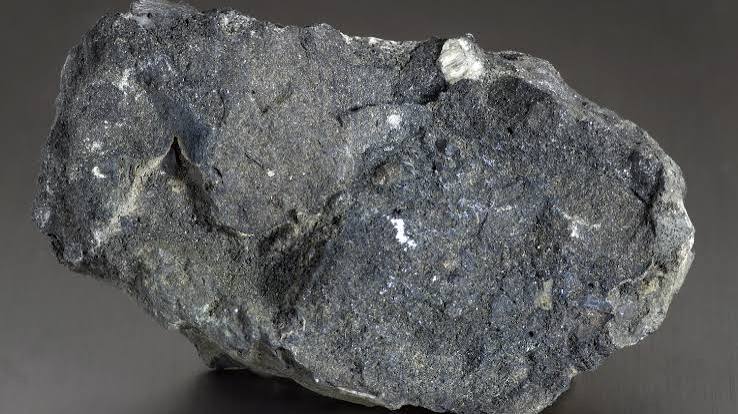
The solid carbon co-product can, in principle, be used in materials applications (carbon black, electrodes, construction materials) or permanently sequestered, turning a potential waste stream into a second value lever. Realising that value at scale remains one of the technology’s open questions.
The Baytown Demonstration Plant
The planned demonstration unit at Baytown is sized to validate continuous operation, product quality and integration at a meaningful intermediate scale. Annual design capacity of 2,000 tonnes of hydrogen and 6,000 tonnes of solid carbon provides the data needed to assess reactor performance, energy efficiency, carbon morphology and handling logistics before any larger commercial commitment. Locating the plant inside an existing major petrochemical complex supplies utilities, infrastructure and operational expertise while allowing the partners to test the technology under realistic industrial conditions.
BASF brings more than a decade of development work on its reactor concept, previously supported by German federal research funding and piloted at Ludwigshafen. ExxonMobil contributes process engineering depth, methane-handling experience and the Baytown site. The joint development agreement is intended to combine these strengths and accelerate the path from pilot to commercial readiness.

Strategic Rationale for a Third Pathway
Many industrial hydrogen users face a constrained set of options. In regions with limited CO₂ storage geology or slow CCS permitting, blue hydrogen is difficult to deploy. In regions where renewable electricity is scarce or expensive, green hydrogen remains costly. Methane pyrolysis offers a potential bridge: it can leverage existing natural-gas infrastructure, requires less electricity than electrolysis, and avoids process CO₂. For chemical producers with large hydrogen demand—ammonia, methanol, refining, and various hydrogenation steps—the technology could support both Scope 1 reductions and the supply of lower-carbon products to customers.
BASF has explicitly linked the development to its broader ambition of enabling customers’ green transformation and reducing the carbon footprint of its portfolio. ExxonMobil frames it as part of a wider low-emission hydrogen portfolio that also includes plans for large-scale blue hydrogen and ammonia at Baytown.
Technical and Commercial Hurdles
Several challenges must still be cleared. Reactor design must achieve high methane conversion and stable long-term operation at industrial conditions. The solid carbon must be produced in forms that can be handled, stored and preferably sold or sequestered without creating new environmental liabilities. Overall energy efficiency, including the source of the heat or electricity used for pyrolysis, determines the true lifecycle emissions advantage. And the delivered cost of the hydrogen must be competitive with blue and green alternatives under realistic carbon-price and energy-price scenarios.
The demonstration plant is intended to generate the operating data that will answer these questions. Only after successful validation would larger commercial units be considered.
Implications for Chemical and Hydrogen Markets
If methane pyrolysis reaches commercial scale, it expands the menu of low-emission hydrogen options available to industry. It does not replace blue or green routes; it adds a pathway particularly suited to gas-rich regions or sites where CCS is constrained. For the chemical sector it offers a route to lower-carbon hydrogen that can be integrated into existing Verbund or refining complexes with relatively limited new infrastructure beyond the pyrolysis unit itself.
Success would also create a new industrial solid-carbon value chain. Failure to find stable outlets for the carbon would turn a co-product into a cost, eroding the economic case. The Baytown demonstration will therefore be watched as closely for carbon-handling performance as for hydrogen yield and purity.
Outlook
BASF and ExxonMobil’s methane-pyrolysis joint development is a concrete test of a third industrial path to low-emission hydrogen. The Baytown demonstration plant, sized for 2,000 tonnes of hydrogen and 6,000 tonnes of solid carbon per year, will determine whether the technology can operate reliably, deliver the expected emissions benefit, and generate a manageable carbon co-product. If it succeeds, chemical and refining operators will gain an additional tool for decarbonising hydrogen supply—one that sits between conventional reforming with capture and water electrolysis. If the remaining technical and commercial hurdles prove stubborn, the project will still have clarified the realistic boundaries of pyrolysis as a large-scale option. Either outcome will shape how the industry allocates capital among the competing routes to lower-carbon hydrogen in the years ahead.
Sources

Sweet Whey Powder
Found this useful?