BASF Evaluates MDI Plant Investment in India to Strengthen Local Supply
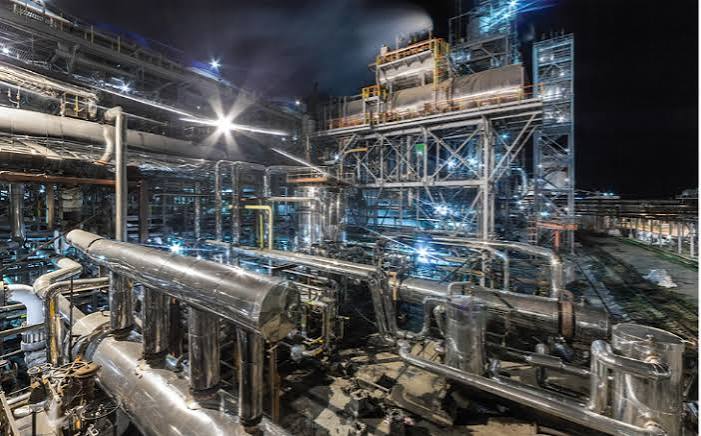
BASF is moving closer to a potential new MDI production complex in Dahej, Gujarat, as demand for polyurethane materials continues to expand across India and surrounding markets. The company has reached the advanced stages of a feasibility study and has secured an industrial land parcel for the proposed project through BASF India Polyurethanes Private Limited.
For chemical traders, procurement managers and downstream manufacturers, the development could become an important supply chain signal. Local production would give BASF another route to serve Indian customers while potentially reducing reliance on long-distance supply for a material used throughout construction, refrigeration, automotive, furniture and consumer applications.
BASF’s MDI Project Takes Shape in Dahej
The proposed investment centers on methylene diphenyl diisocyanate, commonly known as MDI. MDI serves as a key building block for polyurethane products, making its availability closely connected to several manufacturing sectors that require insulation, cushioning, structural materials and other performance properties.
BASF has already secured land at its Dahej operations, giving the potential project a physical foundation. The company has not yet made a final investment decision, however, as the feasibility study and required approvals still need to be completed.
The location also builds on an existing BASF presence. Its integrated Dahej complex already includes an MDI splitter and polyurethane production facilities, creating an established industrial base for further development.
Why Local MDI Supply Matters to Indian Buyers
India represents a significant growth market for materials used in manufacturing, infrastructure and consumer products. BASF has linked its potential investment to its local-for-local approach, which aims to position production closer to customers in India and neighboring markets.
For buyers, a stronger domestic supply base could affect procurement planning in several ways:
Shorter regional supply routes: Local production could reduce the logistical distance between MDI production and Indian polyurethane processors.
Supply reliability: Additional production capacity in the region could provide another supply source as demand expands across multiple end-use sectors.
Inventory planning: Buyers may gain greater flexibility when planning stocks, particularly where imported material currently requires longer lead times.
Regional market access: A Dahej-based operation could support customers in India while serving nearby markets through regional trade channels.
These potential effects will depend on the final project scope, production capacity and commercial structure. For now, the feasibility study represents the next major stage before BASF commits to construction.
MDI Demand Connects Construction, Automotive and Refrigeration
MDI sits at the center of several polyurethane value chains. Its downstream uses include building insulation, refrigeration equipment, automotive components, furniture and consumer goods.
Construction and infrastructure activity can create demand for polyurethane insulation because manufacturers use these materials where thermal performance matters. Refrigeration also relies on polyurethane systems for insulation, supporting demand from appliance and cold-chain manufacturing.
The automotive industry provides another important outlet. Polyurethane materials can contribute to components requiring combinations of durability, cushioning and noise or vibration control.
Furniture and consumer products add further demand diversity. This broad application base means MDI purchasing trends can reflect conditions across several manufacturing industries rather than a single end-use sector.
Dahej Gives BASF an Established Industrial Platform
Dahej already plays an important role in BASF's Indian manufacturing network. BASF describes the site as an integrated hub for polyurethane manufacturing as well as other chemical activities, with production beginning in 2014.
The company's existing MDI splitter and polyurethane facilities make the site particularly relevant to the proposed expansion. Rather than establishing an entirely new industrial presence, BASF can evaluate additional MDI production within a location that already supports related operations.
This integration can matter for procurement and logistics because chemical production networks often depend on proximity between upstream materials, processing operations and downstream customers. A larger local manufacturing footprint could therefore strengthen the broader polyurethane supply chain around Dahej.
BASF has also continued to invest in polyurethane-related capacity at the location. Its Cellasto microcellular polyurethane plant expansion is designed to increase capacity and support growing local demand, with operations planned for the second half of 2026.
How the Potential Plant Fits BASF’s Global MDI Network
The proposed Indian project would not operate in isolation. BASF already has MDI production facilities in Geismar in the United States, Antwerp in Belgium, Chongqing and Caojing in China and Yeosu in South Korea.
The company is also completing a $1 billion MDI expansion project in Geismar. BASF says that project is entering its final phase, while the potential India investment would represent another step in strengthening its overall MDI production network.
For global chemical traders, the significance lies in network diversification. Additional production capacity across different regions can influence trade flows, availability and the balance between local and imported material.
An Indian production base could eventually change how some customers evaluate imported MDI. Buyers may compare domestic offers against international cargoes based not only on headline price but also on freight, lead time, inventory requirements and supply continuity.
What the Feasibility Study Means for Procurement Teams
The project remains under evaluation, so procurement teams should distinguish between the current announcement and any future production commitment. BASF has stated that the final investment decision will depend on the feasibility study and necessary approvals.
That means buyers should watch several milestones rather than immediately assume that new local MDI volumes will enter the market.
Key indicators include:
Final investment decision: This will establish whether BASF moves from evaluation into committed project development.
Project approvals: Regulatory and other approvals will influence the project's progression and eventual construction schedule.
Production capacity: The eventual capacity would help buyers assess the potential impact on regional supply.
Commissioning timeline: The timing of commercial production will determine when procurement strategies can incorporate locally produced MDI.
Commercial availability: Buyers will ultimately need to assess grades, specifications, contract structures and delivery terms once production plans become clearer.
For importers and distributors, these developments also create a reason to monitor alternative supply arrangements. A future domestic source could complement imported material rather than immediately replace every existing trade route.
Potential Effects on India’s Polyurethane Supply Chain
A successful MDI project could strengthen the connection between Indian MDI availability and local polyurethane manufacturing. BASF has specifically positioned the potential investment around serving customers in India and neighboring markets with locally produced MDI.
This approach could support manufacturers that value regional sourcing and predictable material availability. It may also encourage closer collaboration between MDI suppliers, polyurethane formulators and downstream manufacturers.
The broader industrial context is important as well. BASF points to accelerating urbanization, infrastructure development and manufacturing activity in India as factors supporting demand for high-performance materials.
For chemical traders, increased local production could create new opportunities around distribution, storage and regional supply. At the same time, established international suppliers may continue to compete on product availability, technical support, pricing and logistics.
Regional Buyers Should Watch Supply and Pricing Signals
MDI procurement involves more than simply comparing quoted prices. Buyers need to consider the complete delivered cost and the operational impact of sourcing decisions.
A potential Dahej production complex could make regional supply economics more competitive if it reduces freight exposure or shortens delivery routes for Indian customers. However, actual market effects will depend on the project's scale and the commercial conditions attached to future production.
Procurement teams should therefore monitor:
Changes in regional MDI availability and lead times.
New domestic supply announcements from producers and distributors.
Import requirements and freight conditions affecting overseas cargoes.
Demand trends from construction, refrigeration, automotive and furniture manufacturers.
Potential shifts between imported and locally sourced polyurethane raw materials.
Maintaining multiple qualified supply channels can also help buyers respond as the regional market develops. The emergence of additional production capacity does not remove the need for supplier qualification, technical consistency and reliable logistics.
BASF’s India Strategy Extends Beyond a Single MDI Project
The potential MDI investment fits within a broader BASF strategy in India. The company says it has operated in the country for more than 130 years and had 2,435 employees, eight production sites and more than 40 offices in India at the end of 2025. BASF also reported approximately €2.3 billion in sales to Indian customers in 2025.
Its continued manufacturing investment shows the importance of the Indian market within the company's regional strategy. The potential MDI project would add to an existing network rather than represent BASF's first major industrial commitment in the country.
For polyurethane customers, this broader footprint could support a deeper local supply ecosystem. For chemical traders, it signals that India may continue to attract investment in materials connected to construction, mobility, consumer manufacturing and industrial production.
What Buyers Should Do Now
The BASF announcement gives Indian and regional buyers an early signal rather than an immediate change in MDI supply. The project remains subject to the feasibility study and required approvals, so procurement teams should avoid building forecasts around unconfirmed future capacity.
The most practical approach is to track project milestones while maintaining current sourcing options. Buyers can also review their MDI requirements, supplier qualification lists, inventory policies and regional logistics assumptions before any new capacity becomes available.
If BASF proceeds, a local MDI production complex in Dahej could become an important addition to India's polyurethane value chain. Its impact will ultimately depend on capacity, timing and market uptake, but the project already highlights the growing importance of regional production for chemical supply security.
Propylene Oxide
Found this useful?