Yara Inaugurates Europe’s Largest Industrial Carbon Capture Facility
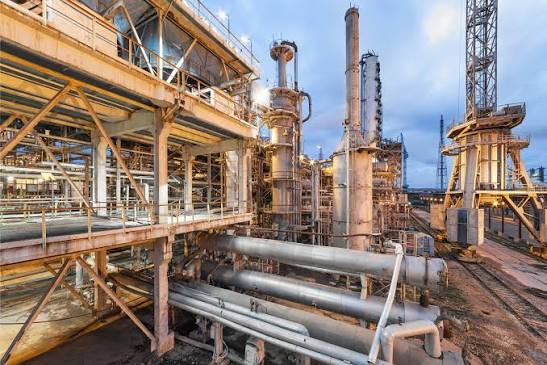
Yara has inaugurated a major industrial carbon capture facility at its Sluiskil ammonia plant in the Netherlands, connecting large-scale CO₂ capture with permanent offshore storage. The project, developed with Northern Lights, forms a cross-border carbon capture and storage chain designed to handle up to 800,000 tonnes of CO₂ per year.
For chemical traders, procurement managers and industrial buyers, the project highlights how carbon management is becoming part of the operating model for large-scale chemical production. It also creates a practical example of how captured carbon can move across national borders from an industrial site to a dedicated storage location.
A New Model for Industrial Carbon Capture
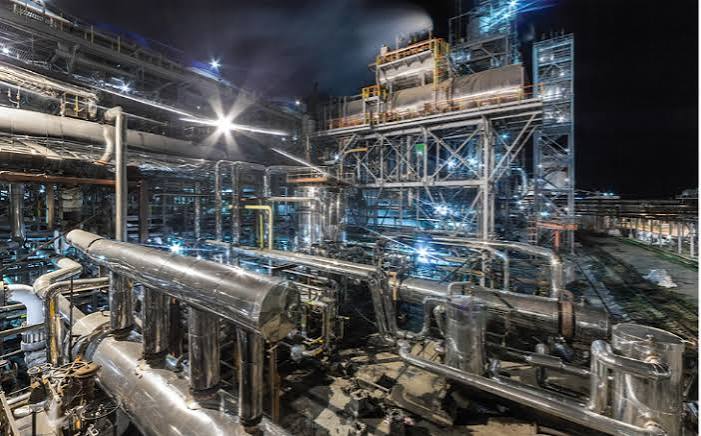
The Sluiskil facility links Yara’s ammonia production operations with Northern Lights’ CO₂ transport and storage infrastructure. Rather than treating carbon capture as an isolated plant upgrade, the project connects capture, transportation and permanent geological storage into one industrial chain.
This structure matters because capturing CO₂ represents only one part of the carbon management process. Once separated from an industrial stream, the gas must move safely to a storage location where it can remain isolated from the atmosphere.
The Yara project therefore demonstrates an integrated approach involving:
CO₂ capture at the industrial source, where emissions originate during ammonia production.
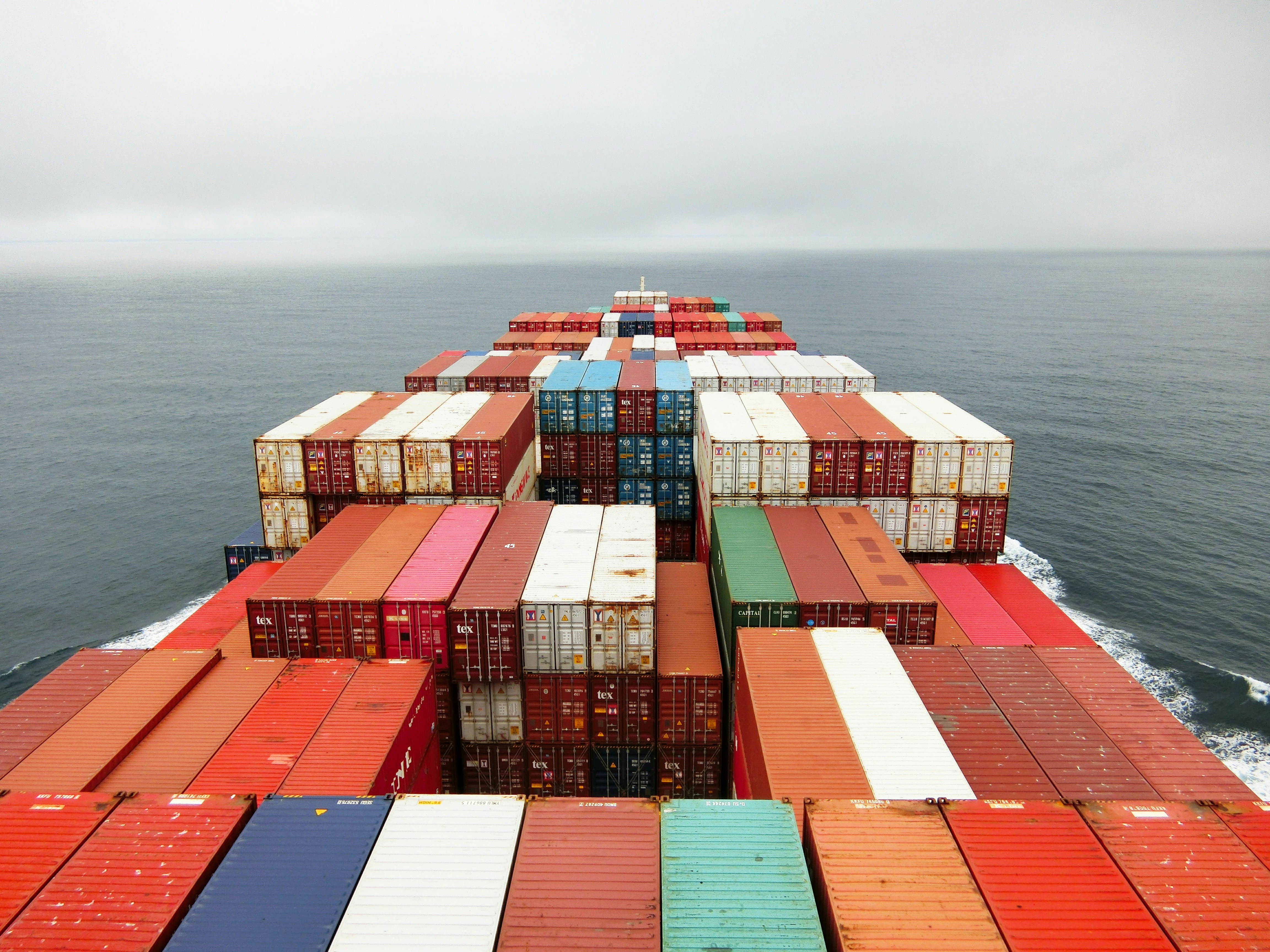
Cross-border transportation, moving captured carbon from the Netherlands toward Norway.
Permanent geological storage, placing the CO₂ beneath the Norwegian seabed.
Long-term carbon management, connecting industrial production with dedicated storage infrastructure.
For chemical producers, this type of infrastructure can influence future decisions around plant investment, energy systems, logistics and emissions management.
Why the Sluiskil Ammonia Plant Matters
Ammonia production plays a central role in the global chemical industry and agricultural supply chain. Ammonia serves as a major input for fertilizers and also has potential applications in emerging energy and industrial systems.
Yara’s Sluiskil operation is therefore more than a single industrial facility. It sits within a wider chemical value chain where production volumes, energy requirements and emissions management can directly affect the economics of downstream products.
The addition of carbon capture introduces another layer to that value chain. Industrial operators must consider not only feedstocks and energy but also the handling, transportation and storage of captured CO₂.
For procurement teams, this can increase the importance of evaluating suppliers and industrial partners according to their broader production infrastructure rather than looking only at product specifications.
800,000 Tonnes of CO₂ Capture Capacity
The facility is designed to capture up to 800,000 tonnes of CO₂ annually from Yara’s Sluiskil ammonia plant. That capacity places the project at a significant scale for industrial carbon management in Europe.
The captured CO₂ will move through a dedicated cross-border chain before reaching permanent storage under the Norwegian seabed. The model connects a chemical manufacturing site in the Netherlands with offshore geological storage infrastructure in Norway.
The scale also demonstrates why carbon capture projects require infrastructure beyond the capture equipment itself. Large volumes of CO₂ need reliable transportation and storage capacity if industrial facilities are to operate carbon capture systems continuously.
For industrial buyers, this development signals a broader shift toward integrated infrastructure where emissions management becomes closely connected with manufacturing and logistics planning.
Connecting the Netherlands With Norwegian CO₂ Storage
The project creates a cross-border CCS chain between the Netherlands and Norway. Captured carbon from the Sluiskil facility will ultimately be stored beneath the Norwegian seabed, giving the project a distinctly international logistics structure.
Cross-border CCS can help industrial regions access storage resources that may not be available close to individual production sites. It also introduces additional requirements around transportation infrastructure, operational coordination and regulatory frameworks.
For chemical companies operating across Europe, the development provides a useful example of how environmental infrastructure can span multiple jurisdictions.
The project also shows how industrial clusters can potentially connect with specialized storage hubs. Instead of requiring every manufacturing site to develop its own geological storage capability, producers can connect their captured CO₂ to shared transportation and storage systems.
What CCS Means for Chemical Supply Chains
Carbon capture can affect chemical supply chains in several ways. The most direct impact comes from changes at the production facility, but the consequences can extend into procurement, logistics and commercial planning.
Procurement teams may increasingly encounter suppliers that integrate carbon management into their production strategies. This can influence supplier qualification and the information buyers request during sourcing processes.
Key considerations can include:
The emissions profile of the manufacturing facility and the steps taken to manage those emissions.
The availability of infrastructure for transporting captured CO₂.
The location and capacity of associated storage facilities.
The reliability of the carbon management chain alongside normal production logistics.
The potential effect of emissions management investments on long-term production economics.
These factors do not replace traditional procurement requirements such as quality, price, delivery reliability and technical specifications. Instead, they add another layer to supplier assessment as industrial decarbonization becomes more integrated with chemical production.
Implications for Ammonia and Fertilizer Markets
The ammonia industry has a particularly strong connection to carbon management because ammonia production requires substantial industrial energy and involves carbon-containing feedstocks in conventional production routes.
Capturing CO₂ at ammonia plants can therefore form part of a broader strategy for reducing the emissions intensity associated with production. The Sluiskil project illustrates how a major producer can connect capture infrastructure directly to an established chemical manufacturing operation.
For fertilizer buyers, developments in ammonia production can have implications beyond environmental reporting. Production technology, energy inputs, carbon management infrastructure and logistics can all influence how producers position their products in increasingly carbon-conscious markets.
This may encourage buyers to request more detailed information about production pathways and emissions management when comparing suppliers.
The Role of Northern Lights in CO₂ Storage
Northern Lights provides the storage link that allows captured industrial CO₂ to move from the source facility to permanent offshore storage. The partnership with Yara demonstrates how specialized CO₂ infrastructure can connect with an existing chemical manufacturing site.
The storage model also separates two distinct industrial activities. Yara focuses on capturing CO₂ from its production process, while the associated infrastructure provides the pathway toward permanent storage beneath the Norwegian seabed.
This division can support a broader CCS ecosystem in which industrial producers do not need to develop every component of the carbon management chain independently.
For chemical manufacturers, shared infrastructure could become increasingly important as more facilities consider carbon capture and need dependable routes for handling captured emissions.
Procurement Considerations for Chemical Buyers
The expansion of industrial CCS creates several issues procurement teams can monitor when evaluating chemical suppliers.
First, buyers should understand whether a producer has access to reliable carbon management infrastructure where relevant. Capture capacity alone does not guarantee that captured CO₂ can move continuously to storage.
Second, logistics become more complex when carbon management crosses national borders. Storage location, transportation systems and infrastructure availability can become part of a producer’s wider operational planning.
Third, buyers may need to distinguish between different production pathways when evaluating ammonia and related products. Two products with similar technical specifications can come from production systems with different energy and emissions profiles.
A procurement review can therefore consider:
Production route: Understand how the chemical is manufactured and what carbon management systems support the process.
Infrastructure access: Examine whether capture and storage connections can support sustained operations.
Supply reliability: Consider whether carbon management infrastructure complements or complicates normal production logistics.
Documentation: Request appropriate information on production characteristics and environmental performance where relevant to the purchasing contract.
Long-term strategy: Consider how the supplier plans to adapt its production assets as carbon management infrastructure expands.
What the Project Signals for Industrial Markets
The Yara and Northern Lights project shows how carbon capture can move from an individual emissions-control project toward an integrated industrial service chain.
That shift could create new commercial relationships between chemical manufacturers, CO₂ transportation operators, storage providers and infrastructure companies. It also demonstrates that carbon management can require the same kind of long-term planning associated with other major industrial logistics systems.
For chemical traders and distributors, the development provides another signal to monitor when assessing European producers. Manufacturing capacity remains fundamental, but the infrastructure surrounding production is becoming increasingly important to the commercial picture.
The project also illustrates the potential value of cross-border infrastructure. Industrial regions can connect with storage resources outside their immediate national boundaries when transportation and regulatory systems support the movement of captured CO₂.
The Bottom Line for Procurement Teams
Yara’s new industrial carbon capture facility at Sluiskil represents a large-scale connection between chemical manufacturing, CO₂ transportation and permanent offshore storage. With capacity of up to 800,000 tonnes of CO₂ per year, the project demonstrates how ammonia production can become directly integrated with a dedicated carbon management chain.
For chemical buyers, the wider significance lies in the changing structure of industrial supply chains. Production technology, infrastructure access and carbon management can increasingly sit alongside traditional considerations such as product quality, availability, pricing and delivery terms.
As more chemical producers develop carbon capture and storage connections, procurement teams can expect environmental infrastructure to become a more visible part of supplier discussions and long-term sourcing strategies. Ready to source Ammonia Anhydrous from verified global suppliers? Explore competitive offers on our platform today.
Ammonia Anhydrous
Found this useful?