Ranking 2026's Microbial Remediation Research Against Established PFAS Treatment Technologies
PFAS remediation is entering an important transition as researchers explore whether bacteria, fungi and microbial enzymes can eventually move beyond PFAS capture toward actual chemical breakdown.
For decades, treatment strategies have largely focused on removing PFAS from contaminated water or destroying concentrated waste through approaches such as granular activated carbon, ion exchange, membranes and thermal treatment. These technologies have already reached commercial or full-scale application in several settings.
New microbial research offers a different possibility: using biological systems to transform PFAS and potentially break carbon-fluorine bonds under milder conditions.
That makes microbial remediation an important technology to track—but it remains significantly less mature than established treatment approaches.
Why Microbial PFAS Treatment Is Getting Attention
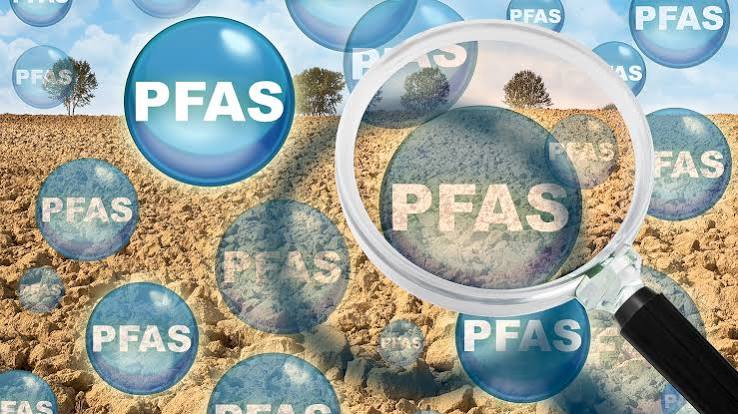
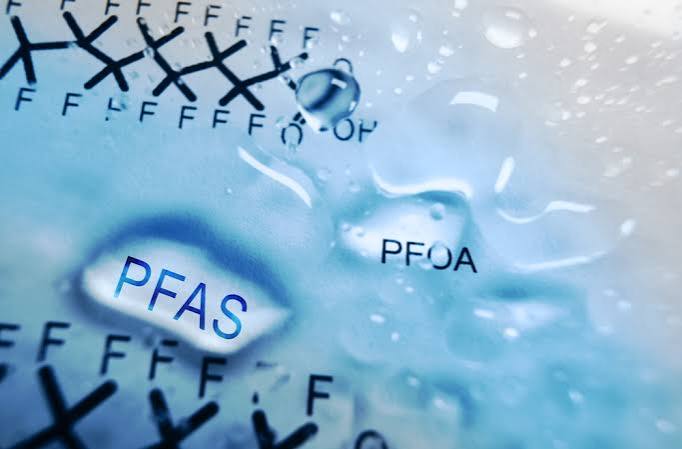
PFAS are notoriously persistent because of the strength of their carbon-fluorine bonds.
Conventional treatment can often capture or concentrate PFAS without destroying the molecules themselves.
Microbial remediation aims to address this limitation by using:
Bacteria
Fungi
Microbial consortia
Enzymes
Engineered biological systems
Recent 2026 research reviews are examining oxidative and reductive microbial pathways, including enzymes such as laccases and peroxidases that could contribute to PFAS transformation.
Microbes Could Change the Remediation Equation
The attraction of biological treatment is relatively straightforward.
A successful microbial system could potentially operate under substantially milder conditions than high-temperature thermal destruction.
Potential advantages include:
Lower energy requirements
Reduced chemical consumption
Potential in-situ applications
Lower-temperature operation
Reduced secondary waste
Compatibility with biological treatment systems
However, these advantages remain largely potential benefits, rather than proof that microbial PFAS destruction is ready to replace established technologies.
Activated Carbon Is Still the Established Benchmark
Granular activated carbon remains one of the most widely deployed PFAS treatment technologies, particularly for drinking water and industrial wastewater.
Its primary advantage is maturity.
Activated carbon can effectively capture many long-chain PFAS, although performance is weaker for some short-chain compounds and spent carbon requires further management.
For procurement teams, this creates a clear benchmark:
Known performance + established infrastructure + predictable operating requirements
versus
Emerging biological treatment + potentially lower energy use + significant scale-up uncertainty.
Incineration Offers Destruction Rather Than Capture
Thermal treatment provides a fundamentally different approach.
Instead of transferring PFAS onto another material, incineration and related thermal processes aim to destroy the compounds.
However, recent research highlights an important qualification: apparent PFAS removal does not always equal complete mineralization.
Thermal treatment can generate products of incomplete destruction, particularly when operating conditions are insufficient.
A 2026 review notes that complete PFAS mineralization is rarely achieved below approximately 950°C under conventional thermal conditions, although additives and optimized processes can improve performance at lower temperatures.
Microbial Research Is Still at an Earlier Stage
This is where the technology ranking becomes important.
Research has identified promising microbial and enzymatic mechanisms, but major questions remain around:
Complete defluorination
Transformation-product toxicity
Reaction rates
Long-chain PFAS
Short-chain PFAS
Mixed contamination
Real-world wastewater conditions
Long-term biological stability
A 2026 review specifically notes that mechanistic validation of C–F bond activation and complete oxidation of transformation products remain major research gaps.
Bacteria and Fungi Are Being Studied Differently
Different organisms may provide different remediation pathways.
Research has investigated bacterial species as well as fungi capable of producing oxidative enzymes.
A 2026 review of biosolids technologies highlighted Pseudomonas and Phanerochaete chrysosporium among organisms showing potential for PFAS degradation, while engineered enzymes could potentially improve scalability.
This creates a broad research field rather than one single microbial technology.
Microbial Consortia Could Be Especially Important
PFAS degradation may not necessarily depend on one microorganism.
Researchers are increasingly examining microbial consortia, where different organisms perform complementary steps in a transformation pathway.
This could potentially improve biological performance by combining different metabolic capabilities.
Recent research describes microbial consortia as an important area for PFAS bioremediation because synergistic interactions may support more complex transformation pathways.
Biological Activated Carbon Is an Interesting Bridge
An especially interesting development is the combination of biological activity with an established treatment technology.
Research published in 2026 found that biological activated-carbon filters can sustain PFAS removal, with biofilms potentially supporting long-term performance and regeneration processes.
This suggests that the future may not necessarily be:
Microbes vs. activated carbon
It could instead be:
Microbes + activated carbon.
Hybrid systems could combine the established adsorption capabilities of carbon with biological processes that improve filter performance.
Scalability Is the Real Test
Laboratory degradation is very different from industrial remediation.
A commercially viable microbial technology must demonstrate performance across:
Large water volumes
Variable PFAS concentrations
Mixed chemical streams
Changing temperatures
Competing contaminants
Long operating periods
It must also maintain predictable performance outside carefully controlled laboratory conditions.
That is one of the biggest barriers separating microbial research from established treatment technologies.
Cost Could Become the Biggest Advantage
If microbial systems eventually achieve reliable PFAS destruction, their economics could become highly attractive.
Potential savings could come from:
Lower energy consumption
Reduced chemical inputs
Less thermal infrastructure
Lower operating temperatures
Potentially lower waste-management costs
But these savings cannot yet be assumed.
Biological systems may require specialized reactors, nutrients, monitoring and downstream treatment.
The commercial question therefore remains:
Can biological PFAS destruction achieve sufficiently high reaction rates at industrial scale?
Established Technologies Still Have the Maturity Advantage
For today's procurement decisions, the technology hierarchy remains relatively clear.
Activated Carbon
Strength: Commercial maturity and established deployment.
Weakness: PFAS is captured rather than necessarily destroyed, creating spent-media management requirements.
Incineration / Thermal Treatment
Strength: Direct destruction of concentrated PFAS waste.
Weakness: High energy requirements and concerns about incomplete destruction and emissions under some conditions.
Microbial Remediation
Strength: Potentially lower-energy and more sustainable biological destruction.
Weakness: Early-stage research, uncertain reaction rates and incomplete validation of full mineralization.
The Regulatory Dimension Matters
PFAS regulations are becoming increasingly stringent in multiple markets.
As allowable concentrations decline, treatment providers will need technologies capable of achieving increasingly low residual concentrations while demonstrating that transformation products are also controlled.
This could create opportunities for technologies that do more than simply transfer PFAS between water and waste streams.
What Chemical Companies Should Watch
Chemical manufacturers operating facilities with PFAS exposure should monitor:
Microbial degradation research
Enzyme engineering
Biological activated carbon
Advanced oxidation
Electrochemical treatment
Thermal destruction
PFAS regulations
Waste-disposal requirements
The most promising solution may ultimately involve several technologies rather than a single replacement technology.
What Procurement Teams Should Watch
Procurement professionals evaluating PFAS treatment systems should compare:
Treatment efficiency
Energy requirements
Operating costs
Capital requirements
Waste generation
PFAS concentration range
Treatment speed
Scalability
Regulatory acceptance
Technology maturity
A low laboratory cost does not automatically translate into a low commercial treatment cost.
The Opportunity for Chemical Suppliers
The development of biological PFAS remediation could also create new demand for specialty inputs.
Future systems may require:
Enzymes
Nutrient media
Adsorbents
Catalysts
Process chemicals
Membranes
Activated carbon
Monitoring reagents
This means PFAS remediation could become an increasingly important specialty-chemical application market.
Looking Ahead
Microbial remediation should not yet be viewed as a direct replacement for activated carbon or thermal destruction.
Instead, it represents an emerging technology category that could eventually change the economics of PFAS treatment if researchers can demonstrate reliable C–F bond cleavage, complete mineralization, low toxicity of transformation products and scalable operating rates.
The most important development may ultimately be the combination of technologies.
Activated carbon can provide proven PFAS capture.
Thermal treatment can address concentrated waste.
Microbial systems could potentially contribute biological transformation and regeneration.
For chemical companies, water-treatment providers and procurement teams, the intelligence opportunity is therefore not simply identifying the newest PFAS technology.
It is determining which technologies are moving from laboratory research toward commercially credible scale.
Key Takeaways
Microbial PFAS remediation is emerging as a potential lower-energy alternative to conventional treatment.
Bacteria, fungi, microbial consortia and enzymes are all being investigated for PFAS transformation.
Activated carbon remains one of the most established PFAS treatment technologies.
Thermal treatment offers destruction but requires careful control of temperature and byproducts.
Complete microbial mineralization remains an important research challenge.
Transformation-product toxicity and C–F bond cleavage require further validation.
Biological activated carbon could provide a bridge between conventional and biological treatment.
Scalability and reaction rates will determine whether microbial remediation can compete commercially.
Hybrid treatment systems may ultimately prove more practical than one-technology solutions.
PFAS remediation is becoming an important market for environmental technologies and specialty chemical suppliers.
Hydrogen Peroxide (50%) - Bangladesh
Found this useful?