How the Hormuz Disruption Accelerated Bio-Based Feedstock Adoption by 18 Months
The 135-day Gulf crude and naphtha supply disruption fundamentally altered the economic calculus for the global chemical industry. Industry roadmaps previously projected that bio-based chemical feedstocks would reach cost competitiveness between 2027 and 2028. The crisis compressed this timeline dramatically and brought future projections into the present. By the second quarter of 2026, the economic reality for chemical manufacturing shifted entirely. European naphtha spot prices surged to €920 per tonne compared to a pre-crisis baseline of €510 per tonne. This unprecedented price environment made bio-naphtha derived from waste oils economically advantageous at scale for the first time. Procurement managers and sustainability teams must now recognize that this market shift is not a temporary anomaly. The global market has permanently validated alternative feedstock pathways.
The Economic Tipping Point for Bio-Naphtha
Sustained fossil naphtha prices above €750 per tonne triggered a major industry shift. Multiple bio-feedstock pathways suddenly achieved full economic parity without requiring government subsidies. This specific price threshold transformed theoretical sustainability goals into immediate financial imperatives. Chemical producers previously hesitant to adopt renewable inputs now face compelling margin incentives.
The cost differential that once protected traditional fossil feedstocks evaporated overnight. Buyers actively seeking supply chain diversification found immediate economic justification for their transition.
Several key factors drove this rapid economic convergence:
Fossil feedstock volatility created severe budget unpredictability for chemical manufacturers relying on traditional crude derivatives.
Waste oil collection networks expanded rapidly to meet the sudden surge in industrial demand for renewable inputs.
Advanced processing technologies achieved higher yields, reducing the per-tonne production cost of bio-naphtha significantly.
Record Capacity and Backlogs at Renewable Facilities
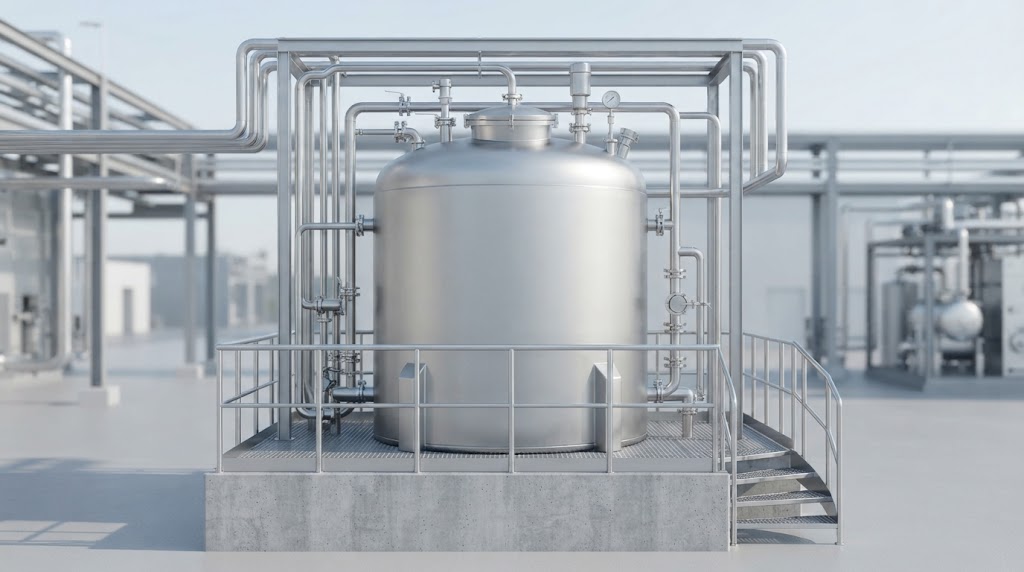
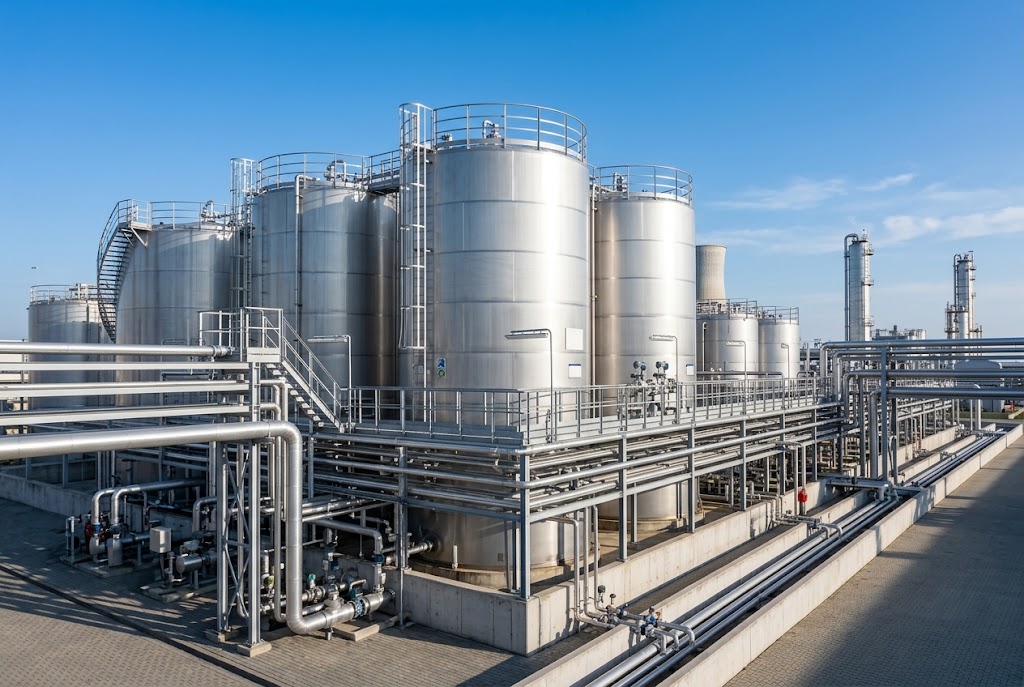
Operational data from the first half of 2026 confirms this rapid market transition. Neste operated its Rotterdam renewable feedstock facility at 98 percent capacity from March through June 2026. This maximum utilization rate generated a consistent six-week order backlog across major European chemical buyers.
The facility performance demonstrates robust demand from chemical manufacturers seeking reliable bio-based alternatives. Suppliers who invested early in renewable infrastructure captured significant market share during the disruption. This operational success provides a clear blueprint for other producers evaluating similar capacity expansions.
The Rotterdam facility proved that large-scale bio-feedstock production can withstand severe macroeconomic shocks. Buyers now view these high-utilization renewable facilities as critical nodes in their supply chain resilience strategies.
Major Producers Accelerate Sustainable Platform Timelines
Leading chemical manufacturers are rapidly adjusting their long-term strategic roadmaps. BASF recently announced the acceleration of its Verbund bio-balance platform. The company moved this major sustainability target from an original 2028 deadline to the fourth quarter of 2026.
This 18-month acceleration highlights the confidence major players now have in bio-feedstock viability. Executive teams recognize that delaying sustainable feedstock integration no longer makes financial or strategic sense. The crisis served as a definitive proof of concept for large-scale renewable integration.
Companies are now rewriting their internal ESG targets to reflect this accelerated pace. This top-down commitment signals to the broader market that bio-based feedstocks are a permanent fixture in chemical manufacturing.
Evaluating Permanent Optionality in Supply Chains
Companies must carefully evaluate the long-term value of crisis-period investments. Temporary bio-feedstock infrastructure upgrades and new customer qualifications create permanent strategic optionality. Procurement teams that secured alternative supply chains during the disruption now possess a distinct competitive advantage.
These established relationships and qualified vendor lists remain valuable long after fossil fuel prices normalize. Organizations should view these developments as foundational shifts rather than temporary crisis responses. The effort required to qualify a new bio-based supplier is substantial.
Once completed, this qualification creates a durable alternative sourcing channel. Buyers can leverage this optionality to negotiate better terms with traditional fossil fuel suppliers. This dual-sourcing strategy significantly de-risks future procurement operations.
Advancing Capital Allocation for Sustainable Feedstocks
Financial planning departments must reassess their capital expenditure timelines immediately. The demonstrated economic parity justifies advancing 2027 to 2030 sustainable feedstock capital allocation into 2026 and 2027 budgets. Delaying these investments risks ceding market position to more agile competitors.
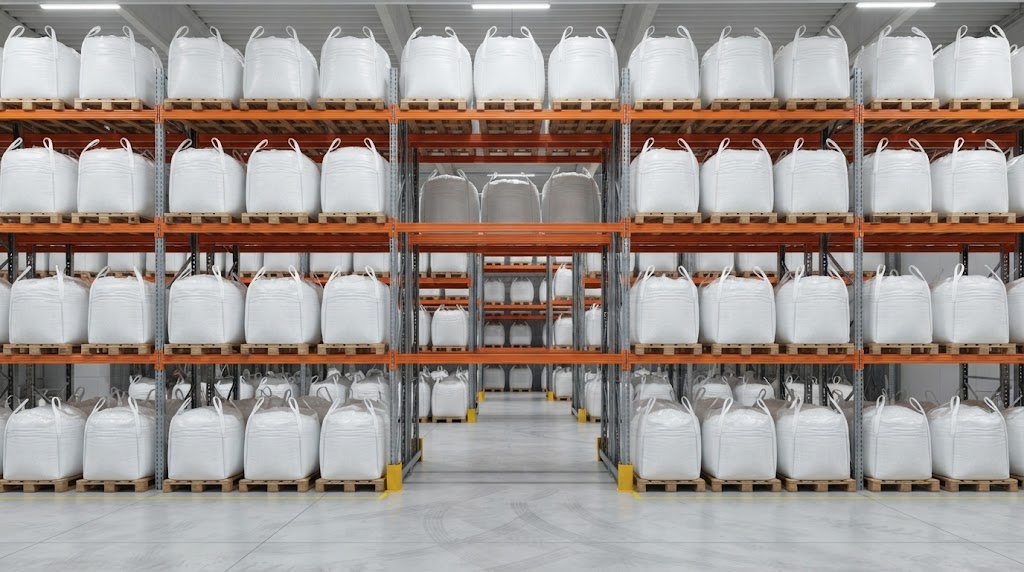
Early movers will secure preferential access to limited waste oil feedstocks and renewable processing capacity. Strategic budget realignment now represents a critical defensive and offensive business maneuver. Companies must prioritize funding for bio-feedstock handling infrastructure and storage modifications.
These capital projects ensure seamless integration of renewable inputs into existing manufacturing workflows. Finance teams should model scenarios assuming sustained fossil naphtha prices above the €750 per tonne parity threshold.
Navigating the New Feedstock Landscape
Chemical traders and importers must adapt their sourcing strategies to this new reality. Relying solely on historical pricing models will lead to missed opportunities and supply chain vulnerabilities. Procurement professionals need to build strong relationships with renewable feedstock producers.
Understanding the nuances of waste oil provenance and certification is now a core competency for chemical buyers. Buyers must also prepare for increased scrutiny regarding feedstock origin. Regulatory bodies are tightening requirements for waste oil certification.
Procurement teams must demand comprehensive documentation from their suppliers. This diligence protects the company from greenwashing accusations and ensures full compliance with evolving European sustainability mandates. Traders should also monitor regulatory developments surrounding sustainable feedstock accounting.
Accurate mass balance tracking will become increasingly important for downstream customers. Companies that can provide transparent and verified bio-based content will command premium market positioning. This transparency directly supports the broader ESG goals of end-use manufacturers.
The Bottom Line for Procurement Teams
The chemical industry has crossed a definitive threshold in sustainable sourcing. The Hormuz disruption proved that bio-based chemical feedstocks can compete directly with traditional fossil inputs on pure economics. Procurement professionals must update their sourcing strategies to reflect this new reality. Embracing renewable feedstock pathways now ensures long-term resilience and cost stability.
The era of viewing bio-based chemicals as a premium niche is over. The market has spoken clearly through price signals and operational data. Companies that hesitate will find themselves locked out of the most resilient supply chains. Proactive adaptation is the only viable path forward for modern chemical procurement.
Ready to source Refined Glycerine 99.7% Min USP BP from verified global suppliers? Explore competitive offers on our platform today.
Sources
https://www.neste.com/newsroom/2026/rotterdam-facility-capacity-update
https://www.basf.com/global/en/media/news-releases/2026/verbund-bio-balance-acceleration
https://www.icis.com/explore/resources/news/2026/european-naphtha-spot-prices-bio-parity
https://www.chemicalweek.com/sustainability/2026/bio-feedstock-capital-allocation-shift

Refined Glycerine 99.5% Min
Found this useful?