BASF Pitches Ultrason Polymers at the AI Hardware Boom
BASF Pitches Ultrason Polymers at the AI Hardware Boom
BASF is positioning its Ultrason® high-performance polymers for the growing demand for advanced materials in artificial intelligence (AI) hardware, data centers and high-speed connectivity.
The portfolio includes Ultrason® E (polyethersulfone, PESU), Ultrason® S (polysulfone, PSU), Ultrason® P (polyphenylsulfone, PPSU) and Ultrason® D (a PESU blend). BASF is targeting applications ranging from fiber-optic connectors and cable insulation to cooling-system components and power-transmission equipment. (BASF announcement)
AI Infrastructure Creates New Demands for Engineering Polymers
The expansion of AI computing and cloud infrastructure is increasing the performance requirements for materials used in data centers. Higher data-transfer speeds, greater power consumption and denser equipment layouts place additional demands on electrical insulation, dimensional stability, fire safety and thermal management.
BASF says Ultrason polymers combine heat resistance, electrical insulation, mechanical strength, chemical resistance and inherent flame retardancy. These properties make the materials candidates for components that must maintain performance during continuous operation and across demanding temperature conditions.
The portfolio is also positioned as an alternative to engineering polymers such as polyetherimide (PEI), polyetheretherketone (PEEK) and polyamidimide (PAI) in selected electrical and electronic applications. The suitability of each material depends on the component's design, operating environment and required performance specifications. (BASF Ultrason E&E portfolio)
Fiber-Optic Connectors for Faster Data Transmission
Fiber-optic connectivity is a critical part of AI data-center infrastructure because it enables high-bandwidth communication between computing equipment. As connector designs become more compact and complex, manufacturers need materials that support precision molding and stable performance under changing environmental conditions.
BASF highlights Ultrason E for fiber-optic connector designs, including lucent connectors (LC) and multi-fiber push-on (MPO) connectors. Its combination of stiffness, toughness, dimensional stability and flowability can support the production of thin-walled components with complex geometries.
The material's transparency and colorability also offer design flexibility for manufacturers that need connectors in different colors. BASF additionally identifies low water uptake and flame-retardancy characteristics as relevant properties for optical-connectivity applications.
Cable Jacketing and Electrical Insulation
Data centers require reliable electrical infrastructure to distribute power to servers, cooling equipment and supporting systems. Transformers and other electrical equipment also place demanding requirements on insulation materials, particularly where high temperatures and chemical exposure are involved.
BASF identifies Ultrason P as a candidate for cable jacketing and insulation of aluminum and copper magnet wires. The company says the material can be used in magnet-wire applications involving hot oil at temperatures of up to 200°C.
Its chemical resistance and electrical-insulation performance at elevated temperatures may make it suitable for demanding applications where conventional materials face limitations. BASF also says its PPSU can serve as an alternative to certain PFAS-containing polymers used in cable jacketing and wire insulation. Actual substitution requires application-specific validation, including electrical, thermal, chemical and regulatory testing. (BASF)
Polymers Support Liquid-Cooling and Thermal Management Systems
Thermal management is another important application area as AI server power densities increase. Liquid-cooling systems rely on components such as pipe fittings, manifolds and other fluid-handling parts to circulate coolant and remove heat from computing equipment.
BASF says Ultrason polymers can provide durability under the thermal, chemical and mechanical conditions encountered in data-center cooling systems, electric vehicles and industrial cooling applications. The portfolio is also suitable for selected fan-blade applications.
Material selection is particularly important in cooling systems because components must withstand operating temperatures, fluid exposure, mechanical loads and long periods of service. Polymer performance must be assessed against the specific coolant chemistry, system pressure, temperature range and applicable engineering standards.
Processing Flexibility for Complex Components
Beyond material properties, BASF is emphasizing its processing expertise and application-development support. The Ultrason portfolio includes grades with different viscosity levels to accommodate varying manufacturing requirements.
Highly flowable grades can help manufacturers mold complex, thin-walled components, while higher-viscosity grades offer melt strength and stability for demanding extrusion applications. These characteristics can give component designers greater flexibility when developing compact electrical and electronic parts.
BASF also offers support with material selection, component-design optimization, injection molding and extrusion. The company says this combination of materials and technical assistance is intended to help customers develop components and shorten product-development cycles.
Global Supply and Future Material Development
BASF says its global technical network and material-supply capabilities are part of its strategy for supporting manufacturers across the AI hardware and electrical-electronics supply chains. The company is also continuing to investigate additional Ultrason grades and work with customers on application-specific solutions.
The development focus reflects a broader shift in the specialty chemicals industry. As AI infrastructure expands, materials suppliers are competing not only on mechanical performance but also on reliability, processability, fire safety, thermal stability and the ability to meet increasingly demanding component designs.
For BASF, the expanded Ultrason application focus creates opportunities across data-center connectivity, power distribution, cooling systems and e-mobility. Commercial adoption will ultimately depend on component qualification, manufacturing requirements and performance in the intended operating environment.
Sources:
https://www.basf.com/global/en/media/news-releases/2026/10/p-26-170
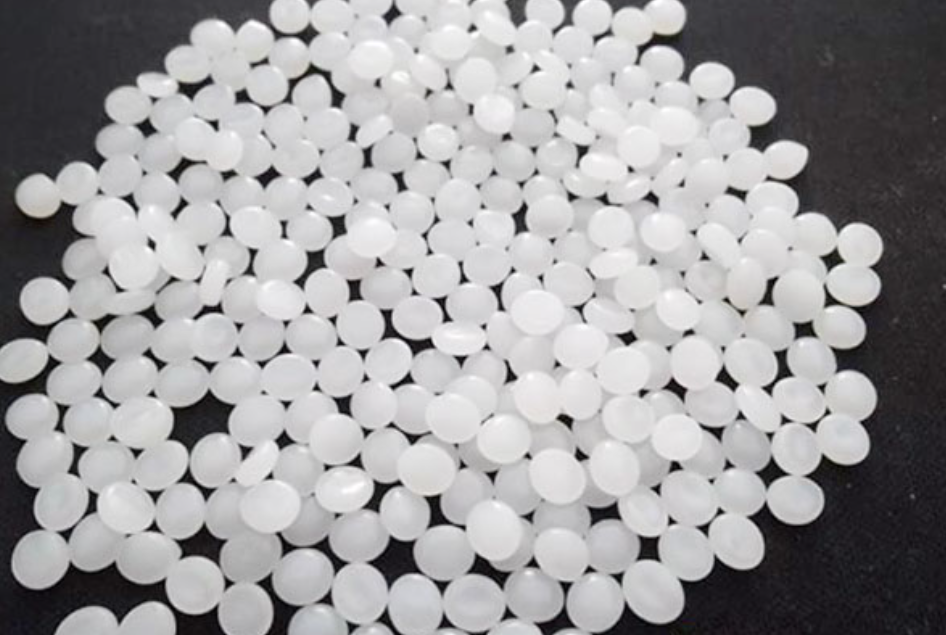
High Density Polyethylene (HDPE)
Found this useful?