BASF's BioHub Fermentation Plant: Betting on In House Biological Manufacturing for Crop Inputs
BASF's commissioning of its BioHub fermentation plant at Ludwigshafen in 2026 signals a major shift in how large agricultural chemical companies can approach biological crop inputs. Rather than relying entirely on external fermentation partners, BASF has established dedicated in-house production capabilities for biological and biotechnology-based crop protection products.
The investment puts manufacturing control closer to BASF's research and product development activities. For chemical buyers, the move matters because biological crop protection depends on specialized production processes, consistent biological performance and reliable access to suitable active ingredients.
BASF says the BioHub has already started producing key biological active ingredients, including Bacillus amyloliquefaciens used as the basis for its Serifel biological fungicide and a main building block for Inscalis, a fungal-based insecticide.
Why Fermentation Is Becoming Strategic for Crop Inputs
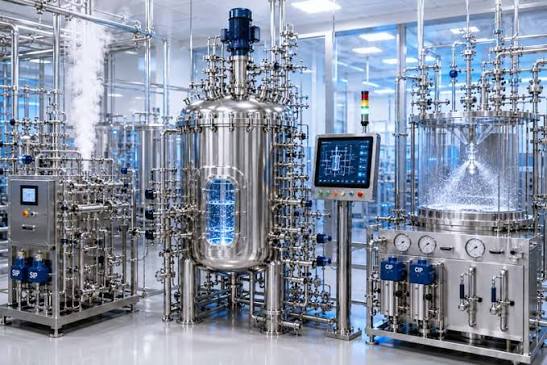
Biological crop protection products require manufacturing capabilities that differ from conventional synthetic agrochemicals. Fermentation uses microorganisms to convert renewable feedstocks such as glucose into targeted products, creating a production platform that can support biological actives and biotechnology-derived crop solutions.
BASF's decision to bring this capability inside its own manufacturing network therefore goes beyond adding another production unit. It creates greater control over a critical stage between biological discovery and commercial crop input supply.
The company's original project announcement described fermentation as a flexible technology that could support additional biotechnology-derived products in the future. That flexibility gives the asset potential value beyond the initial products manufactured at Ludwigshafen.
BASF Turns Supply Chain Control Into a Competitive Asset
For conventional chemical products, buyers often focus on raw material availability, plant capacity, energy costs and logistics. Biological actives add another layer because production can depend on specialized organisms, fermentation conditions, process control and consistent biological performance.
BASF's BioHub gives the company more direct control over those variables. BASF specifically says in-house fermentation strengthens production flexibility, execution capabilities and supply chain resilience.
That matters as biological crop protection moves from a niche category toward a larger part of agricultural input portfolios. Companies that control critical production steps can potentially respond faster when demand changes, product portfolios expand or external suppliers face capacity constraints.
The strategic advantage may therefore extend beyond manufacturing cost. Control over production can become a differentiator in product availability, development speed and supply reliability.
Ludwigshafen Becomes a Biological Manufacturing Platform
The location of the BioHub also matters. BASF is integrating biological manufacturing into its established Ludwigshafen industrial complex rather than developing the capability entirely through an external supply arrangement.
The project represents a high double-digit million-euro investment and was designed to manufacture biological fungicides, biological seed treatment products and components for biotechnology-based crop protection solutions.
This creates an industrial bridge between BASF's established chemical infrastructure and its expanding biological portfolio. The combination can support closer coordination between production, logistics, engineering and other technical functions.
For European buyers, an integrated manufacturing location can also influence supply planning. Shorter or more predictable regional supply routes can become valuable when agricultural customers require dependable seasonal availability.
Biological Crop Protection Is Changing Procurement Priorities
The growth of biological crop inputs is changing what procurement teams need to evaluate. A buyer cannot assess a biological active solely by comparing price per kilogram with a conventional chemical alternative.
Manufacturing consistency, strain or microorganism specifications, formulation performance, shelf life, regulatory approvals and technical documentation can all influence the commercial value of a biological product.
This makes supplier qualification more important. Procurement teams need visibility into the production process and the supplier's ability to maintain consistent quality across batches.
BASF's BioHub illustrates why manufacturing ownership can become a strategic procurement consideration. When a producer controls fermentation internally, buyers may gain access to a more coordinated supply chain from active production through commercial product manufacturing.
What BioHub Means for Chemical Traders and Buyers
BASF's move could influence the broader supplier landscape for biological crop inputs. As major agricultural companies increase their internal manufacturing capabilities, external fermentation suppliers may face a more competitive environment in selected biological active ingredient categories.
At the same time, internal production does not eliminate the role of chemical traders. Buyers still need international sourcing options for products outside BASF's portfolio, alternative biological technologies and active ingredients produced by specialist manufacturers.
Traders can also add value by monitoring production capacity, registration changes and emerging biological technologies across multiple origins. This information can help customers avoid dependence on a single producer or technology.
The competitive landscape could become more segmented. Large integrated agrochemical companies may increasingly control strategic biological platforms internally, while specialist manufacturers and contract producers continue serving products where scale, technology or regional registrations create opportunities.
Buyer Action Checklist for Biological Crop Inputs
Procurement teams should adjust sourcing strategies as biological products become more important within crop protection portfolios. The following actions can help buyers evaluate supply resilience rather than focusing only on headline pricing.
1. Identify critical biological actives
Map which biological active ingredients are becoming important to your crop protection portfolio and determine whether supply depends on a single manufacturer or production platform.
2. Review fermentation capabilities
When evaluating suppliers, assess whether they operate their own fermentation assets or depend on third-party production. Manufacturing ownership can provide useful insight into potential supply control.
3. Verify biological specifications
Confirm microorganism identity, active concentration, formulation characteristics, batch specifications and quality requirements before approving a new biological supplier.
4. Check registration coverage
Regulatory approval remains critical. Confirm that the biological active and finished formulation meet the requirements of each destination market before changing suppliers or origins.
5. Evaluate seasonal supply capacity
Agricultural demand can become highly seasonal. Buyers should assess whether suppliers can maintain sufficient production capacity during peak application periods.
6. Compare total landed cost
Consider freight, storage, shelf life, packaging and regulatory costs alongside the supplier's quoted price. Biological products may have different logistics requirements from conventional active ingredients.
7. Monitor raw material exposure
Fermentation depends on feedstocks and process inputs. Buyers should understand whether suppliers face exposure to glucose, nutrients, specialty processing materials or other critical inputs.
8. Establish alternative sources
Do not rely on a single biological manufacturer simply because the product has performed well commercially. Develop qualified alternatives where registrations and technical requirements permit.
9. Track new biological platforms
Monitor fermentation-based actives, microbial products and biotechnology-derived crop protection technologies entering commercial development. Early visibility can improve future procurement planning.
10. Build longer-term supplier relationships
Biological crop inputs can require closer technical cooperation than commodity chemicals. Stronger supplier relationships can improve forecasting, quality coordination and access to production information.
In House Production Could Reshape the Biological Supply Chain
BASF's BioHub represents a broader strategic shift toward controlling biological manufacturing rather than treating fermentation solely as an outsourced capability. The company's 2026 commissioning confirms that key biological active production has moved into its own Ludwigshafen manufacturing network.
The significance extends beyond BASF. If biological crop protection becomes one of the fastest-growing areas of agricultural inputs, manufacturing capacity could become as important as product discovery and registration.
For major agrochemical companies, owning fermentation infrastructure can provide greater control over supply, production flexibility and future product development. For chemical traders and procurement teams, it creates a market where supplier manufacturing capabilities deserve the same attention as pricing and product specifications.
The next phase of biological crop protection may therefore be shaped not only by which companies develop successful biological technologies but also by which companies can manufacture them reliably at commercial scale. BASF's BioHub places the company among the producers building that capability directly into their own supply chains.
For buyers, the strategic response is clear. Track biological manufacturing capacity, diversify qualified sources and evaluate suppliers based on their ability to provide consistent crop input supply as the market expands. Ready to source Azadirachtin from verified global suppliers? Explore competitive offers on our platform today.
Acrylic Acid (99.5%) - China
Found this useful?