Rainbow's 2000 Ton Pyroxasulfone Facility: How Chinese Export Focused Agrochemical Makers Are Scaling
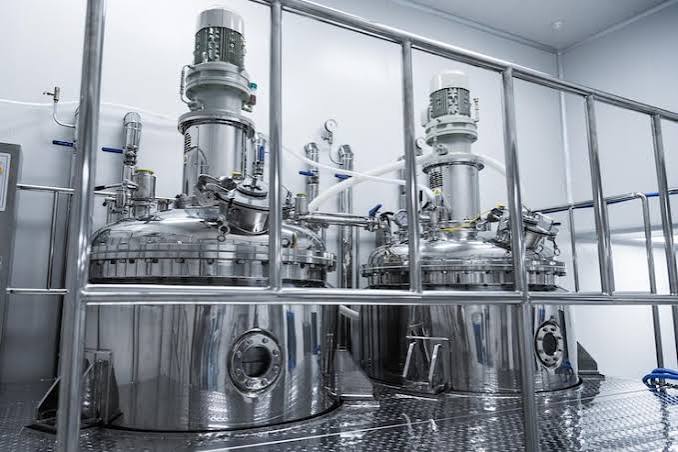
Rainbow's planned 2,000-ton pyroxasulfone facility provides a useful view into how Chinese agrochemical exporters are scaling production around globally traded active ingredients. The project adds dedicated capacity for a herbicide with established international demand while fitting into Rainbow's broader manufacturing and registration network.
The investment also reflects a wider shift in China's agrochemical sector. Export-oriented manufacturers are increasingly combining broad active ingredient portfolios, multiple production sites and extensive international registrations with targeted capacity expansions.
For importers, formulators and agricultural chemical distributors, this model creates new sourcing options but also increases the importance of supplier qualification. A larger production footprint does not automatically guarantee consistent quality, regulatory compliance or reliable delivery.
Why Pyroxasulfone Capacity Matters
Pyroxasulfone is an important pre-emergence herbicide used for controlling a broad range of grass and broadleaf weeds. Its commercial relevance has encouraged additional manufacturing capacity in China, with Rainbow and Zhanhua Guochang each reported at 2,000 tonnes of annual capacity as of July 2026.
Rainbow's new facility therefore sits within a broader expansion of pyroxasulfone manufacturing rather than representing an isolated investment. Industry reporting has identified substantial planned capacity across Chinese producers, indicating that the active ingredient is becoming an increasingly important manufacturing target.
For buyers, additional technical capacity can improve sourcing flexibility. It can also increase competition among suppliers, particularly in markets where multiple Chinese producers have the registrations and export infrastructure needed to serve international customers.
Rainbow's Export Model Goes Beyond One Active Ingredient
The significance of Rainbow's investment becomes clearer when viewed alongside the company's broader business model. The company has built a portfolio of more than 200 active ingredients, operates six manufacturing sites and holds registrations across more than 100 countries, according to the supplied company context.
This creates a different competitive model from a producer focused on one or two technical products. Rainbow can use its manufacturing network and international registration footprint to serve distributors across multiple crop protection categories.
For international buyers, this can simplify supplier relationships. A distributor that sources several active ingredients from one established exporter may be able to reduce supplier fragmentation, coordinate shipments and negotiate broader commercial agreements.
However, procurement teams should still evaluate each active ingredient separately. Production quality, registration ownership, formulation compatibility and supply reliability can differ between products even when they come from the same corporate group.
Chinese Agrochemical Exporters Are Building Targeted Capacity
The new pyroxasulfone project illustrates a broader feature of China's agrochemical manufacturing sector. Producers are not simply expanding total capacity across every product. They are increasingly directing investment toward active ingredients with established global demand and attractive export opportunities.
That approach can improve asset utilization while allowing manufacturers to benefit from international markets. It also creates a more competitive environment for established multinational suppliers that have historically controlled large portions of the global crop protection supply chain.
For traders, the development means Chinese technical material should be evaluated as part of long-term sourcing strategy rather than only as a low-cost alternative. Manufacturing scale, export experience and regulatory reach can make an established Chinese supplier a strategic partner.
The 2,000-ton pyroxasulfone project is particularly relevant because industry sources already identify substantial Chinese production capacity for the active ingredient.
What Greater Chinese Capacity Means for Global Buyers
Additional Chinese production capacity can affect international procurement in several ways. The first is supplier availability. Buyers may have more opportunities to qualify multiple sources instead of relying on a narrow group of manufacturers.
The second is pricing competition. When several producers expand capacity for the same active ingredient, suppliers may compete more aggressively for export contracts, particularly during periods of weak agricultural demand.
The third is supply-chain flexibility. Buyers can compare production origins, shipping routes, lead times and inventory positions when negotiating supply agreements.
There is also a potential downside. Rapid capacity expansion can create periods of oversupply, which may put pressure on producer margins and encourage aggressive competition. Procurement teams therefore need to distinguish between attractive short-term prices and sustainable supplier economics.
Registration Networks Are Becoming a Major Competitive Advantage
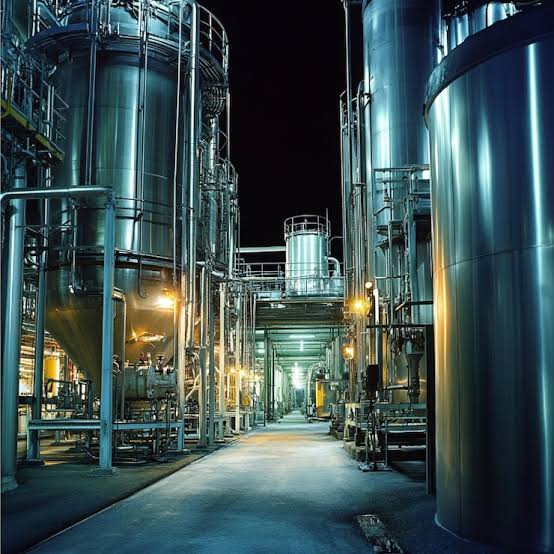
Manufacturing capacity alone does not determine whether an agrochemical producer can capture global demand. Registration coverage is increasingly important because buyers need legally marketable products in their destination countries.
Rainbow's reported registrations in more than 100 countries give its manufacturing network a significant international commercial foundation. The ability to connect production capacity with established regulatory access can reduce the time and complexity involved in expanding into new markets.
This is especially important for distributors and importers. A supplier with technical capacity but limited registration support may require the buyer to handle substantial additional regulatory work.
By contrast, established export-oriented manufacturers can potentially offer a more complete route from technical production to international commercial supply. This makes registration portfolios an important part of supplier evaluation alongside price and production capacity.
Buyer Action Checklist for Pyroxasulfone Sourcing
Procurement teams considering Chinese pyroxasulfone suppliers should look beyond the headline capacity figure. A structured sourcing review can help buyers capture the benefits of increased competition while controlling quality and regulatory risks.
1. Confirm actual production capacity
Ask suppliers to distinguish between announced, installed and commercially available capacity. A planned 2,000-ton facility should not automatically be treated as fully available supply.
2. Verify manufacturing location
Identify the specific plant producing the technical material. Plant-level information helps buyers assess production continuity, logistics routes and applicable documentation.
3. Check registration status
Confirm that the supplier or its commercial partner holds the necessary registrations for the destination market. Registration availability can determine whether a technically suitable product can actually be imported and sold.
4. Compare technical specifications
Review active ingredient concentration, impurity limits, analytical methods and certificate of analysis requirements before approving a new source.
5. Request production samples
Test representative samples against existing specifications before committing to commercial volumes. Laboratory approval should precede large-scale procurement.
6. Evaluate export experience
A supplier with established international shipments may offer stronger documentation and logistics capabilities than a manufacturer focused mainly on domestic sales.
7. Assess shipment flexibility
Review minimum order quantities, packaging options, container loading, lead times and port availability. These factors can materially affect the landed cost of technical material.
8. Monitor capacity expansion
Track additional Chinese pyroxasulfone projects and other active ingredient investments. New capacity can change both supplier competition and pricing dynamics.
9. Avoid single-origin dependence
Even when Chinese supply is commercially attractive, maintain qualified alternatives where possible. Geographic diversification can protect against logistics disruptions, regulatory changes and plant outages.
10. Negotiate using total market visibility
Use information about competing production capacity to negotiate pricing and contract terms, but balance low prices against supplier quality, continuity and regulatory support.
What Rainbow's Investment Signals for Agrochemical Trade
Rainbow's 2,000-ton pyroxasulfone project is a useful example of how Chinese agrochemical exporters are moving toward larger, more specialized and internationally connected manufacturing operations. Industry reporting already shows Rainbow among the Chinese producers adding significant pyroxasulfone capacity in a market with substantial planned production.
The bigger story is the combination of manufacturing scale and export infrastructure. A company with hundreds of active ingredients, multiple production sites and registrations across more than 100 countries can use individual capacity investments to strengthen a much broader international supply platform.
For chemical traders and procurement managers, this changes how Chinese agrochemical suppliers should be evaluated. The question is no longer simply whether a manufacturer can offer a competitive technical price. Buyers increasingly need to assess production scale, registration coverage, quality systems, export logistics and the supplier's ability to maintain reliable long-term deliveries.
As Chinese manufacturers continue targeting active ingredients with international demand, global crop protection sourcing is likely to become more competitive and more diversified. Buyers that qualify suppliers early, monitor new capacity and maintain multiple approved sources will be better positioned to capture those opportunities. Ready to source Pyroxasulfone from verified global suppliers? Explore competitive offers on our platform today.
2-Ethylhexyl Acrylate
Found this useful?