BASF's Ludwigshafen Restructuring Highlights Germany's Chemical Energy Cost Challenge
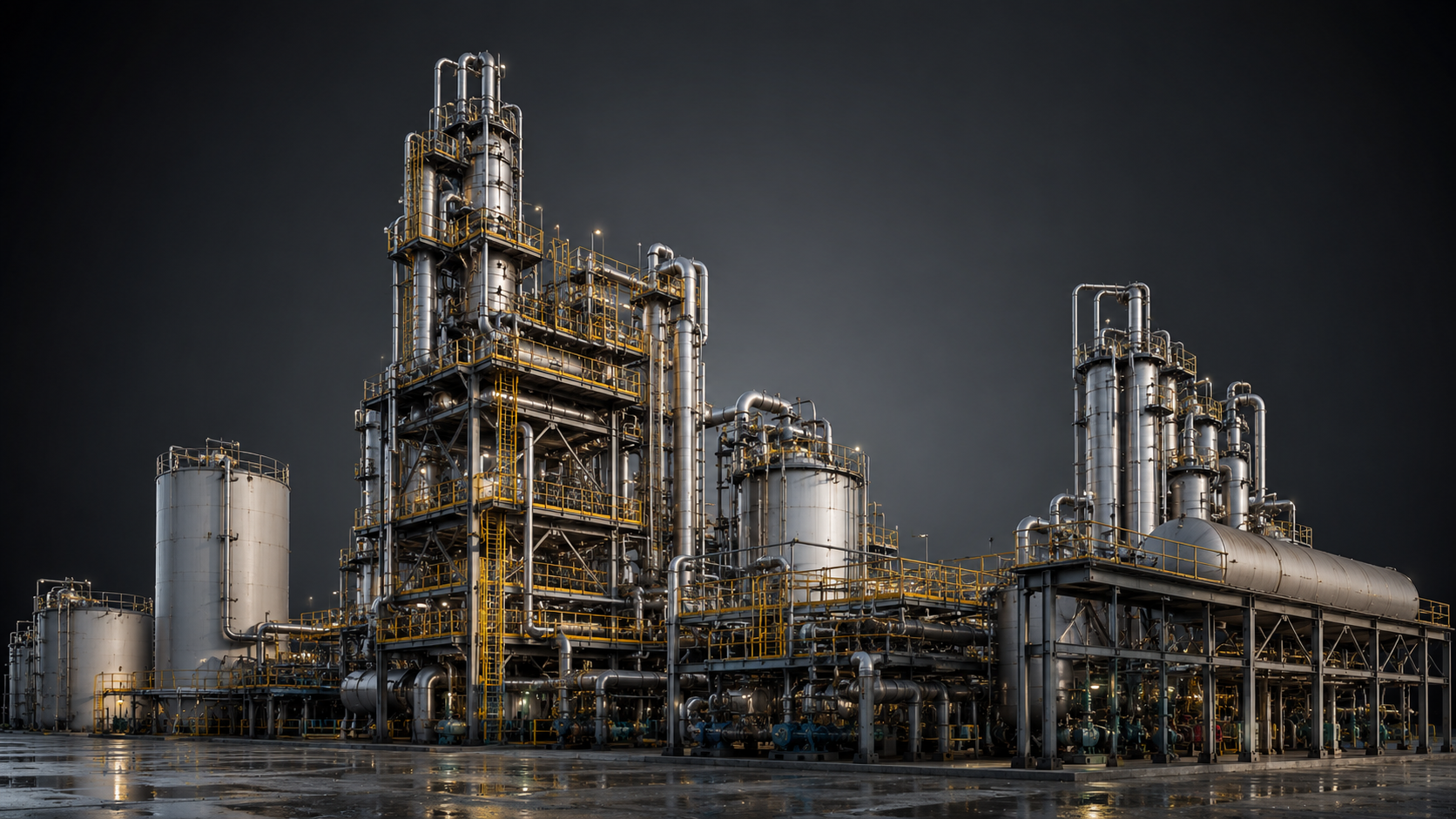
BASF's ongoing restructuring at Ludwigshafen is unfolding against a wider debate over the cost of producing chemicals in Germany. Plant closures and capacity adjustments at one of Europe's most important chemical sites illustrate how energy-intensive manufacturers are reassessing their production economics.
The issue extends beyond BASF. Germany's chemical industry depends heavily on competitive energy supplies, extensive infrastructure and regulatory conditions that allow large production complexes to operate efficiently.
For chemical procurement teams, the restructuring creates an important market signal. Changes in German production capacity can influence chemical availability, supplier concentration, logistics requirements and sourcing strategies across Europe.
Why Ludwigshafen Matters to German Chemical Production
Ludwigshafen represents one of the world's most integrated chemical production locations. Its interconnected manufacturing units, utilities, pipelines, storage facilities and logistics links allow multiple products and intermediates to move through a highly coordinated industrial system.
That integration has historically created operational advantages. However, an integrated site also depends on the competitiveness of the underlying production system, including energy and feedstock costs.
When production economics deteriorate, companies may reassess individual plants even when the wider infrastructure remains strategically important.
For buyers, this distinction matters. A reduction in one production unit does not necessarily mean that the entire Ludwigshafen network loses relevance, but it can alter the availability of specific materials and intermediates.
Energy Costs Remain Central to the Competitiveness Debate
Energy represents a major cost consideration for many chemical processes. Germany's industrial producers compete with manufacturers in regions where energy inputs can be structurally cheaper.
This creates pressure on companies producing energy-intensive chemicals, particularly when high energy costs persist rather than appearing as a short-term market fluctuation.
The consequences can extend through several layers of the supply chain:
Higher production costs: Energy-intensive processes become less competitive when electricity and gas costs remain elevated.
Capacity adjustments: Companies may reduce output or reconsider the economics of individual plants.
Investment decisions: New capacity may become more attractive in regions with lower structural energy costs.
Import exposure: European buyers may increasingly depend on materials produced outside Germany.
Supplier concentration: Capacity reductions can narrow the number of locally available sources.
These factors make energy policy increasingly relevant to chemical procurement.
Plant Closures Can Change Regional Supply Patterns
When a major producer closes or reduces a plant, the impact does not necessarily remain within the affected facility. Customers may need to identify alternative suppliers, qualify substitute materials or adjust inventory strategies.
For chemicals with limited global capacity, a production reduction can have a more significant effect on supply security.
Procurement teams should therefore distinguish between products that have multiple international suppliers and products where European availability depends on a small number of producers.
A plant closure can also change logistics economics. Buyers may need to source from more distant suppliers, increasing transportation costs and delivery lead times.
Germany's Regulatory Debate Adds Another Layer
The restructuring of German chemical production is taking place alongside continued debate over how policymakers can improve industrial competitiveness.
The central policy question involves balancing environmental and regulatory objectives with the need to maintain an economically viable industrial base.
Chemical producers operate under extensive regulatory requirements covering emissions, energy use, environmental protection and industrial safety. These requirements serve important purposes, but companies also evaluate their cumulative cost when deciding where to maintain or expand production.
The industry's call for regulatory relief therefore forms part of a larger competitiveness discussion rather than a single plant-level issue.
Regulatory Relief Could Influence Future Investment
Policy decisions can influence where companies allocate future capital. If Germany provides more competitive energy conditions or reduces selected regulatory burdens, producers may have greater incentive to maintain domestic capacity.
If cost disadvantages persist, companies may continue prioritizing investment in regions where production economics are more favourable.
For procurement professionals, this creates a longer-term consideration. Supplier capacity decisions made today can affect European availability several years into the future.v
Buyers should therefore monitor both corporate restructuring announcements and policy developments. A change in either area can alter the expected supply landscape.
What BASF's Restructuring Means for Procurement
BASF's Ludwigshafen restructuring provides a practical example of why procurement teams should monitor producer economics rather than relying only on current supplier performance.
A supplier can remain reliable today while facing strategic pressure that affects future capacity.
Procurement teams should consider:
Whether critical materials depend on German production.
How easily affected products can be sourced internationally.
Whether alternative suppliers require qualification.
How much additional inventory would be appropriate for vulnerable materials.
Whether transportation costs materially change the economics of imported alternatives.
This forward-looking approach can reduce the risk of being surprised by future capacity changes.
European Chemical Supply Chains Face a Strategic Choice
Germany has historically benefited from dense industrial clusters where chemical producers, suppliers and customers operate within interconnected regional networks. Maintaining those networks becomes more difficult when production costs diverge significantly from those in competing regions.
The challenge is not simply whether individual plants remain open. It is whether Europe can maintain enough competitive production capacity to support downstream industries that depend on locally available chemicals.
If capacity continues moving toward lower-cost regions, European buyers could become increasingly dependent on imports.
That shift would introduce additional exposure to shipping costs, exchange rates, geopolitical disruption and international trade policy.
Logistics Infrastructure Still Has Strategic Value
Production restructuring does not automatically eliminate the value of Germany's established chemical infrastructure. Ludwigshafen and other major industrial centres retain extensive connections to pipelines, railways, roads, waterways and storage networks.
These assets can support changing production patterns even when individual plants close.
For procurement teams, this means German chemical clusters may continue serving as important distribution and processing hubs even as their production mix evolves.
The distinction between production capacity and logistics capacity will become increasingly important when assessing the future role of Germany's chemical industry.
Import Dependence Could Become a Procurement Issue
If domestic capacity declines while downstream demand remains stable, buyers may increasingly turn to overseas suppliers.
That can create opportunities for international chemical traders, but it also changes the risk profile of procurement.
Imported material may require longer lead times, additional inventory and more complex logistics planning. Buyers may also need to assess tariff exposure, regulatory compliance and supplier reliability across different jurisdictions.
A lower purchase price does not necessarily produce a lower total delivered cost once these factors are included.
What Buyers Should Monitor Through 2027
Procurement teams can use several indicators to assess whether Germany's chemical restructuring is becoming a broader supply issue.
Plant announcements provide the clearest signal of changing capacity. Buyers should track closures, production reductions, maintenance decisions and planned investments affecting critical products.
Energy policy can indicate whether Germany is improving the operating environment for energy-intensive industries. Changes in electricity pricing mechanisms, industrial support measures or regulatory requirements could alter future production economics.
Import flows can reveal whether European buyers are replacing domestic production with overseas material. Growing import dependence may signal a structural shift rather than a temporary supply adjustment.
Supplier diversification should remain a priority for products exposed to concentrated European capacity.
The Bottom Line for Chemical Procurement
BASF's restructuring at Ludwigshafen demonstrates how corporate capacity decisions and national industrial policy can intersect. Plant closures reflect immediate production economics, while the continuing German debate over energy costs and regulatory relief addresses the conditions that will shape future investment.
For chemical buyers, the key issue is not simply whether a particular BASF unit remains operational. It is whether Germany can maintain a competitive production environment capable of supporting the wider industrial ecosystem.
Procurement teams should respond by mapping exposure to German production, qualifying alternative suppliers and incorporating energy and regulatory developments into longer-term sourcing decisions.
Germany's chemical industry still possesses substantial infrastructure, technical expertise and industrial integration. The strategic question is whether those strengths can remain competitive enough to preserve domestic production as energy costs and regulatory expectations continue to evolve.

Methanol
Found this useful?