
BASF's Zhanjiang Verbund flexible feed cracker startup
The chemical industry watches the BASF Zhanjiang Verbund flexible feed cracker startup with intense interest. This massive new facility introduces a highly advanced operational model to the southern Chinese coast.
Traders and procurement managers track this specific asset because it fundamentally changes how producers manage raw material costs. The ability to switch seamlessly between naphtha, butane and other feedstocks provides a massive structural advantage.
This flexibility shields the operator from severe margin compression when specific energy markets spike. The following sections explore the strategic logic behind this design and what it means for global olefin trade flows.
The Strategic Logic Behind the Zhanjiang Verbund Site
The Verbund concept relies on deep physical and energy integration across an entire chemical complex. BASF designed the Zhanjiang site to maximize yield and minimize waste by piping intermediate products directly to downstream derivative plants.
A flexible feed cracker sits at the very heart of this integrated network. It produces the foundational ethylene and propylene molecules that feed the surrounding polyurethane and specialty chemical units.
Building this specific asset in southern China places the company directly inside the fastest growing polymer consumption zone. Local production eliminates the massive freight costs and import tariffs associated with shipping finished resins from Europe.
The sheer scale of this capital investment anchors the entire local supply chain for decades. BASF committed billions to build this specific asset because the regional demand for advanced materials continues to expand rapidly.
How Feedstock Flexibility Protects Cracker Margins
Traditional steam crackers lock into a single primary feedstock for years. Operators build their furnaces specifically to process naphtha or ethane and struggle to adapt when that specific raw material becomes expensive.
The new Zhanjiang cracker utilizes advanced furnace coils and specialized quench systems that handle multiple liquid and gaseous feeds. Engineers can adjust the feed slate in real time based on daily commodity pricing spreads.
This operational agility transforms feedstock procurement from a rigid constraint into a strategic weapon. The operator simply buys whichever molecule offers the lowest cost per tonne of ethylene produced.
Designing a furnace that handles both heavy liquids and light gases requires immense engineering expertise. Heavy liquids require longer residence times and higher coil temperatures to crack completely without coking the tubes.
Light gases crack almost instantly and demand specialized quench systems to stop the reaction at the exact right millisecond. The Zhanjiang asset incorporates both technologies into a single highly optimized physical footprint.
Three core mechanisms drive this margin protection:
Real time optimization: Advanced process control software calculates the exact yield economics for every potential feed blend every single hour.
Physical infrastructure: Specialized vaporization units allow the plant to ingest heavy liquids and light gases without shutting down the furnaces.
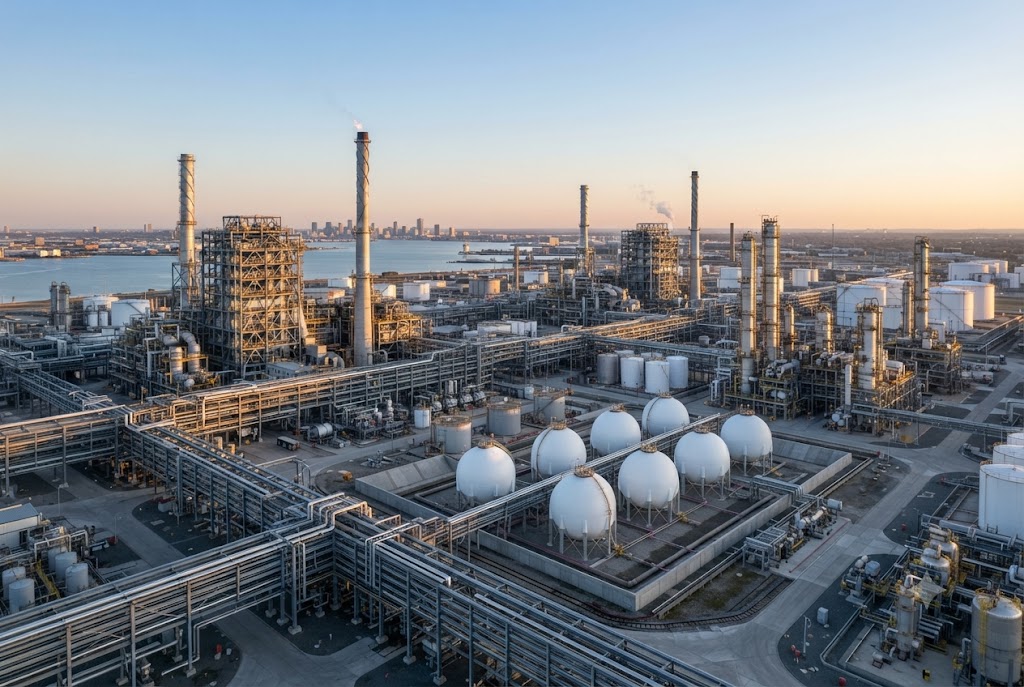
Storage diversification: The site maintains massive tank farms for naphtha alongside pressurized spheres for butane and liquefied petroleum gas.
Naphtha Versus Butane and LPG in Asian Markets
Naphtha remains the dominant feedstock for Asian steam crackers due to the massive refining capacity in the region. It yields a broad slate of products including ethylene, propylene, butadiene and valuable aromatic byproducts.
However naphtha prices track global crude oil benchmarks very closely. When geopolitical tensions spike or refining margins tighten, the cost of this liquid feedstock rises rapidly and crushes polymer margins.
Butane and other light gases offer a crucial alternative during these expensive periods. These lighter feeds crack at lower temperatures and produce higher ethylene yields, though they generate far less propylene and heavy byproducts.
Importing these different feedstocks also requires entirely separate logistics networks at the port. Naphtha arrives on medium range product tankers and pumps directly into ambient storage tanks.
Butane and liquefied petroleum gas arrive on specialized very large gas carriers that require pressurized or refrigerated discharge arms. The Zhanjiang site invested heavily in both types of marine infrastructure to ensure seamless receiving capabilities.
Procurement desks at the Zhanjiang site monitor the spread between Asian naphtha benchmarks and Middle Eastern butane contracts constantly. Whenever the light gas discount widens beyond a specific threshold, the plant shifts its diet to protect its bottom line.
Downstream Impacts on Polymer and Derivative Pricing
The feedstock diet of a cracker directly dictates the volume of downstream derivatives it produces. A heavy naphtha diet floods the local market with propylene and butadiene, which depresses prices for polypropylene and synthetic rubber.
When the plant switches to a lighter butane diet, ethylene output surges while propylene production drops significantly. This shift tightens the local supply of propylene and forces downstream compounders to pay higher premiums for their raw materials.
This localized pricing ripple effect completely changes how buyers negotiate their quarterly contracts. Procurement managers must now ask their suppliers exactly which feedstock diet they plan to run during the upcoming delivery period.
Suppliers running heavy liquid diets will offer highly competitive polypropylene prices to defend their local market share. Suppliers shifting to light gases will demand significant premiums for those exact same polypropylene grades.
Polyethylene buyers benefit from lighter feeds because the massive ethylene surplus keeps film and pipe resin prices highly competitive.
Polypropylene buyers face tighter allocations when the plant maximizes light gas processing to chase ethylene margins.
Specialty chemical producers relying on heavy aromatic byproducts must secure alternative regional suppliers when the cracker runs light.
Supply Chain Resilience in a Volatile Energy Market
Global energy markets experience severe shocks that easily strand rigid chemical assets. A sudden blockade in a major shipping chokepoint or an unexpected export ban from a key producing nation can halt production at a single feed cracker entirely.
The flexible design at Zhanjiang completely insulates the operator from these specific logistical nightmares. If a naphtha cargo from the Middle East faces severe delays, the plant simply draws down its butane inventory and keeps the furnaces firing.
Seasonal weather events also pose a massive threat to rigid chemical supply chains across the region. Typhoons frequently shut down specific coastal ports and prevent liquid feedstock vessels from discharging their cargoes.
A flexible plant simply switches to the feedstock it already holds in its pressurized on site spheres. This operational pivot keeps the furnaces running hot while competing facilities wait for the storm to pass.
This resilience provides a massive competitive advantage during periods of extreme global turbulence. The plant maintains steady output and fulfills its downstream derivative contracts while competitors declare force majeure.
Chemical traders recognize this reliability and often pay a slight premium for material sourced from highly integrated and flexible assets. Supply security matters just as much as the base price when manufacturing lines face costly shutdowns.
What the Startup Means for Global Chemical Traders
The physical startup of this massive flexible asset alters regional trade flows almost immediately. Local buyers who previously imported specific derivatives from overseas now source them directly from the new Zhanjiang complex.
This import substitution forces overseas producers to redirect their cargoes to other regions or accept lower netback prices. Traders must quickly redraw their arbitrage maps to account for the new baseline supply in southern China.
European and Middle Eastern exporters feel this new competitive pressure almost immediately upon startup. They must lower their freight absorbed prices to convince local Asian buyers to keep importing their specific polymer grades.
Traders facilitating these long haul routes face severe margin compression as the physical arbitrage window narrows. They must find highly specialized niche grades that the new Zhanjiang complex does not produce to maintain their trading volumes.
The plant also creates new opportunities for feedstock traders. The massive appetite for both naphtha and butane means the operator acts as a constant buyer of physical cargoes from the Middle East and the Americas.
Agile trading houses structure complex back to back deals to supply the plant with whichever feedstock offers the best daily margin. This constant bidding war between liquid and gaseous feeds keeps the regional spot market highly active.
What Procurement Teams Should Do Now
The introduction of highly flexible crackers changes the fundamental rules of regional polymer sourcing. Procurement managers must look beyond simple list prices and understand the underlying feedstock economics driving their suppliers.
Track the daily spread between naphtha and butane benchmarks to anticipate which polymer grades will face supply tightness. When your supplier shifts to a light feed diet, secure your polypropylene allocations early before the spot market rallies.
Diversify your supplier base to include both rigid and flexible cracker operators. This blend ensures you capture the lowest possible prices during stable periods while maintaining reliable supply during unexpected feedstock shocks.
Negotiate contracts that include feedstock pass through mechanisms to align your purchase prices with the actual raw material costs your supplier faces. This transparency prevents sudden margin squeezes from destroying your procurement budget.
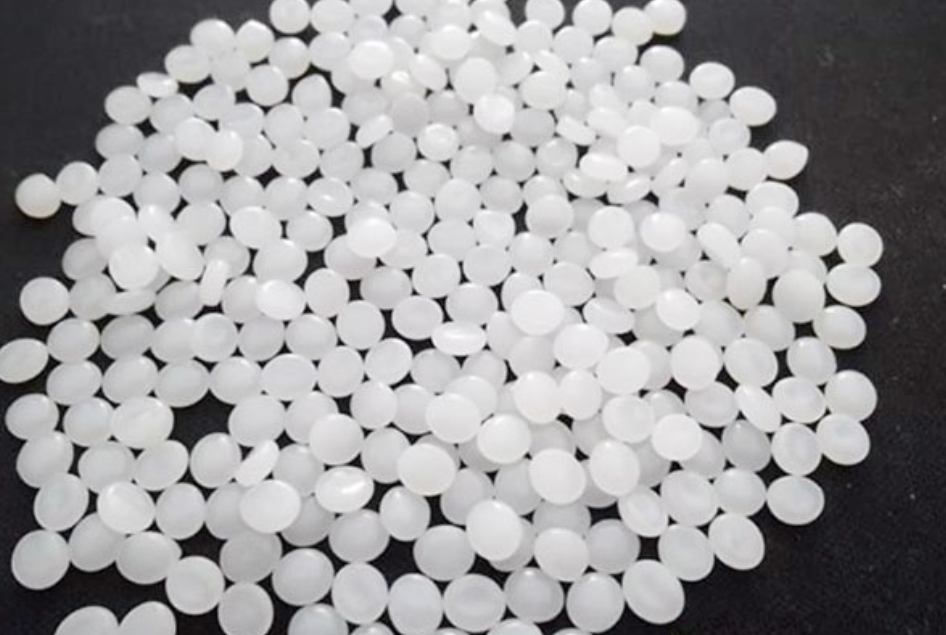
Ready to source high density polyethylene from verified global suppliers? Explore competitive offers on our platform today.
High Density Polyethylene (HDPE)
Found this useful?