TotalEnergies and Dow Cracker Closures: Mapping Europe's Shrinking Ethylene Footprint
Europe's petrochemical industry is entering another phase of capacity rationalization as major producers reduce ethylene production in response to weak demand, high operating costs and persistent regional oversupply.
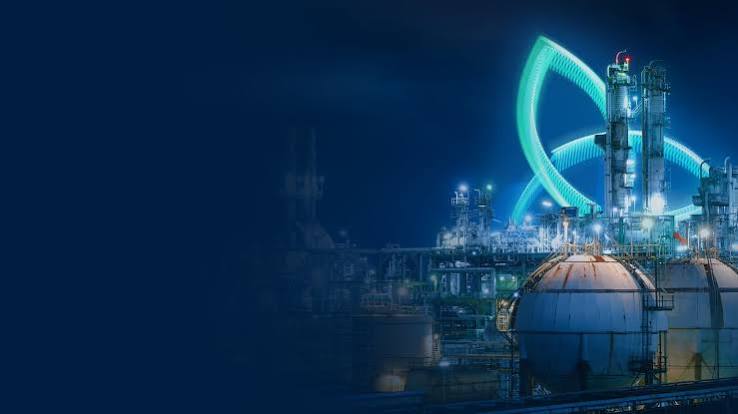
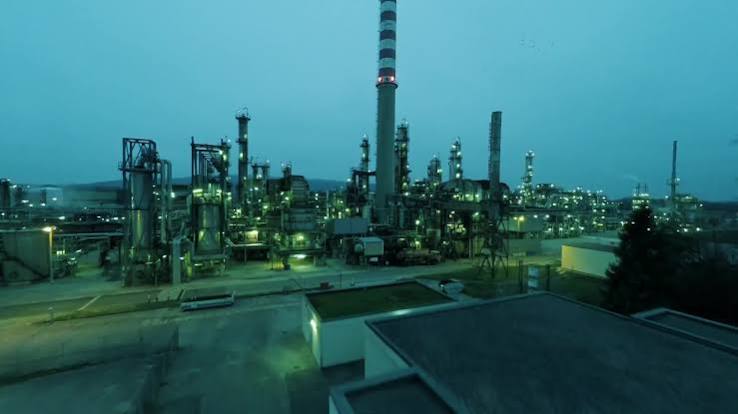
Two recent decisions highlight the trend: TotalEnergies plans to close its oldest steam cracker in Antwerp, Belgium, by the end of 2027, while Dow has approved the closure of its ethylene cracker in Böhlen, Germany. Both decisions reflect concerns about an expected European ethylene surplus and weaker market conditions.
Together, these closures provide another signal that Europe's traditional commodity petrochemical model is under increasing pressure.
Seven Crackers, About 4 Million Tonnes of Capacity
The broader picture is particularly significant.
Seven European ethylene crackers with combined capacity of approximately 4 million tonnes per year are scheduled to close between 2024 and 2027.
These closures represent a substantial reduction in the region's upstream petrochemical infrastructure.
Ethylene is a fundamental building block used to produce:
Polyethylene
Ethylene oxide
Ethylene glycol
Solvents
Other chemical intermediates
Therefore, cracker closures can have effects across multiple downstream industries.
Why Are Crackers Closing?
The central issue is the combination of surplus capacity and insufficient demand.
European chemical producers have faced:
Weak industrial activity
High energy costs
Expensive feedstocks
Competition from lower-cost regions
Growing Asian production capacity
Pressure on petrochemical margins
When demand remains weak while capacity remains high, operating rates fall and older facilities become increasingly difficult to justify economically.
TotalEnergies' Antwerp Decision
TotalEnergies' plan to close its oldest Antwerp steam cracker by the end of 2027 demonstrates how companies are prioritizing their most competitive assets.
Older crackers can face higher maintenance requirements and less favorable economics than newer, more efficient facilities.
The closure therefore reflects not only current market weakness but also longer-term portfolio optimization.
Dow's Böhlen Closure
Dow's decision to close its Böhlen ethylene cracker in Germany provides another example of the same structural pressure.
Germany remains Europe's largest chemical manufacturing base, making the closure particularly significant.
The decision reinforces concerns about the competitiveness of energy-intensive petrochemical production in the region.
Europe's Ethylene Footprint Is Changing
The closures do not necessarily mean European demand for ethylene-derived products is disappearing.
Instead, the region may increasingly move toward a model where:
European demand + declining domestic production = greater reliance on imports.
This could reshape regional supply chains and increase the importance of international sourcing.
Potential Benefits for Remaining Producers
Capacity rationalization can eventually improve conditions for plants that remain operational.
Fewer crackers could mean:
Higher utilization rates
Reduced oversupply
Better margins
Greater market share for competitive producers
However, these benefits depend on whether imports continue to fill the capacity gap.
Supply-Chain Risks Are Increasing
For downstream manufacturers, fewer European crackers mean fewer domestic sources of critical feedstocks.
Companies purchasing ethylene-derived products should therefore consider:
Dual sourcing
Alternative suppliers
Import logistics
Strategic inventory
Long-term contracts
This is particularly important for materials with limited substitutes.
A Structural Shift, Not Just a Downturn
The most important aspect of the current closures is their timing.
Seven crackers representing around 4 million tonnes of capacity are scheduled to close within only four years.
This suggests that European producers are making long-term decisions about the viability of commodity petrochemical production rather than simply responding to a temporary market downturn.
What This Means for Europe's Petrochemical Industry
The likely result is a smaller and more selective European petrochemical sector.
Europe may increasingly focus on:
Higher-value chemicals
Specialty materials
Advanced polymers
Low-carbon production
Technology-intensive manufacturing
At the same time, commodity ethylene production could become increasingly concentrated among the region's most competitive assets.
Looking Ahead
TotalEnergies' Antwerp and Dow's Böhlen closures are important indicators of Europe's changing petrochemical landscape.
With seven crackers and approximately 4 million tonnes of ethylene capacity scheduled for closure between 2024 and 2027, Europe's domestic production base is clearly shrinking.
The key question is whether capacity rationalization will eventually restore profitability for remaining producers—or whether imports will increasingly replace European production.
For chemical buyers, the message is simple: Europe's ethylene supply chain is becoming smaller, more concentrated and potentially more dependent on global suppliers.
Key Takeaways
TotalEnergies plans to close its oldest Antwerp steam cracker by end-2027.
Dow has approved closure of its Böhlen, Germany ethylene cracker.
Both decisions reflect weak demand and expected European ethylene oversupply.
Seven European crackers totaling approximately 4 million tonnes/year are scheduled to close between 2024 and 2027.
Reduced domestic capacity could increase Europe's reliance on imports.
Remaining producers may benefit from improved utilization and reduced oversupply.
Downstream manufacturers should strengthen supplier diversification and contingency planning.
Polyethylene Glycol (200) - China
Found this useful?