
How to Use USGS's Commodity Statistics Hub to Track Boron and Other Critical Minerals
Free government data on more than ninety mineral commodities sits behind a single navigation page most chemical buyers never think to check. The National Minerals Information Center, a division of the U.S. Geological Survey, maintains this hub as the central entry point into everything the agency publishes on mineral supply, trade and pricing, including boron and dozens of other commodities relevant to industrial buyers.
Knowing how to actually navigate this hub matters more than it sounds. The USGS publishes three genuinely distinct reports, each built for a different use case, and mixing them up wastes time.
Three Publications, Three Different Purposes
The hub organizes its core commodity data across three separate publication types, and understanding the difference between them saves real research time.
The Mineral Commodity Summaries covers more than 90 individual minerals and materials in short, standardized two page chapters, published annually and released earlier than any other government source of the prior year's global production data.
Mineral Industry Surveys compile timely statistical data on production, shipments, stocks and consumption, released monthly or quarterly for 32 significant nonfuel mineral commodities.
The Minerals Yearbook offers the deepest annual review, covering roughly 84 to 90 commodities across three separate volumes, one on metals and minerals, one on domestic state level reporting and one covering more than 175 foreign countries.
For a quick check on current pricing or supply direction, the Commodity Summaries is the fastest read. For month to month tracking of a specific material, the Industry Surveys fill that gap. For deep historical or country level research, the Yearbook is the right stop.
The Critical Minerals Asterisk System
One detail on this hub is easy to miss but genuinely useful. Every commodity listed alphabetically carries an asterisk if it appears on the 2025 Critical Minerals List. Boron is one of the commodities marked this way, alongside dozens of others ranging from aluminum to zirconium.
This matters because critical mineral status often signals where supply concentration risk, government stockpiling interest or trade policy attention is most likely to show up first. A buyer scanning this alphabetical directory can quickly identify which materials in their own supply chain carry that designation without needing to cross reference a separate government list.

Why Boron Sits on the Critical List
Boron appears on the hub's directory with the asterisk marking its critical minerals status, reflecting its importance across a wide range of industrial applications including glass, ceramics, agriculture and specialty chemical manufacturing. Buyers working with borate compounds, boric acid or related chemistry can use the boron specific page linked from this hub to reach dedicated statistics and information for that commodity alone.
The same structure applies to any other commodity on the list. Clicking through from the central hub takes buyers directly to a commodity specific page maintained by a USGS specialist assigned to that material, rather than requiring a separate search for scattered data sources.
How the Survey Data Actually Gets Collected
Behind these publications sits a substantial data collection effort. The USGS sends out more than 35,000 surveys to companies across the mineral industry every year to build an accurate picture of domestic production. Those industry responses get compiled into the annual Minerals Yearbook chapters covering nonfuel mineral commodities.
This scale of direct industry surveying is part of why the data carries real credibility for procurement teams. It is not modeled or estimated from trade statistics alone, but built substantially from direct reporting by companies actually producing and processing these materials.
A Practical Way to Use This Hub
For chemical and mineral buyers, the most efficient approach is usually to start at the alphabetical directory itself rather than searching for a specific report by name.
Scan the directory for any commodity relevant to your current sourcing portfolio and note which ones carry the critical minerals asterisk.
Click through to the commodity specific page for detailed statistics rather than relying only on the annual Summaries chapter.
Check the Mineral Industry Surveys section for any commodity where more frequent, month to month tracking matters more than an annual snapshot.
Use the Minerals Yearbook when a specific country's production and trade context is needed, since Volume III covers more foreign countries in dedicated detail than the other two publications combined.
The Bottom Line for Procurement Teams
A resource this comprehensive is only useful if buyers actually know where to look inside it. The National Minerals Information Center's commodity hub organizes decades of government mineral data into a structure that rewards a few minutes of familiarity, whether the material in question is boron, cobalt or any of the dozens of other commodities tracked here.
Building a habit of checking this hub directly, rather than relying only on secondhand summaries or news coverage of USGS releases, gives procurement teams a more direct line to the underlying data behind their sourcing decisions.
Ready to source boron and specialty mineral chemicals from verified global suppliers? Explore competitive offers on our platform today.
Reference Link:
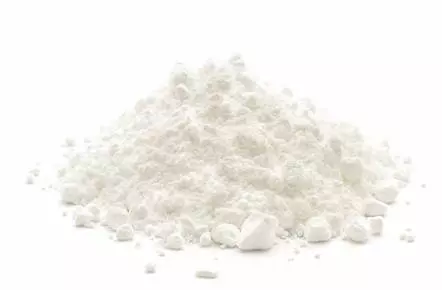
Borax Decahydrate (Technical Grade) - Argentina
Found this useful?