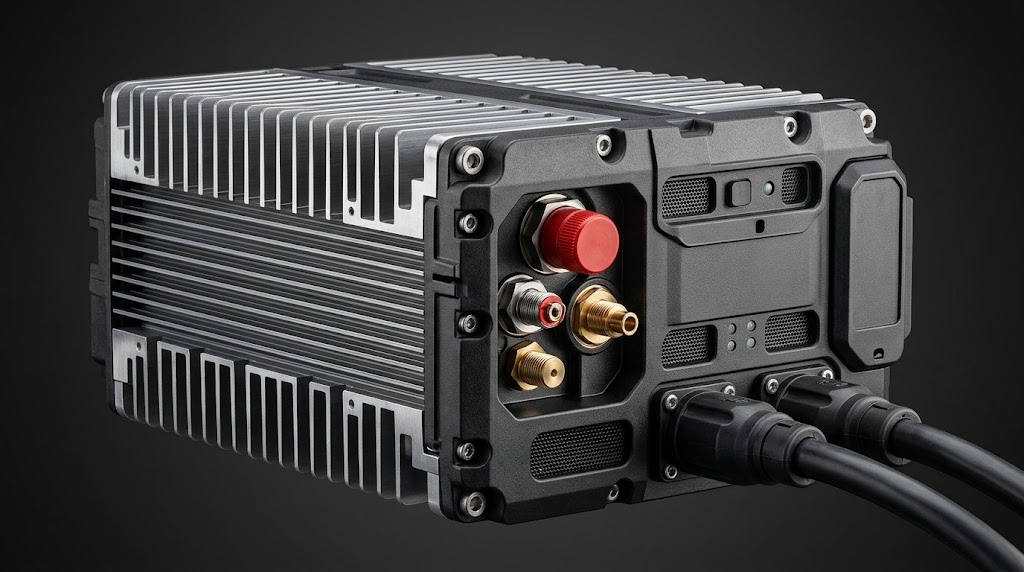
Battery Storage Integration Forces Petrochemical Plants to Rethink Process Safety Frameworks
Battery energy storage is becoming commonplace in industrial chemical facilities. CEP’s August 2026 issue notes that this shift forces petrochemical plants to rethink their process safety frameworks. Traditional risk management protocols were designed for hydrocarbon processing not electrochemical systems. The integration of large-scale battery energy storage introduces new hazard profiles that existing standards do not fully address. Procurement managers and plant operators must understand these evolving safety requirements. Failure to adapt can lead to catastrophic incidents in facilities already handling volatile materials. The convergence of chemical processing and electrical storage creates complex interaction risks. Buyers sourcing chemicals from these facilities should evaluate their suppliers’ safety maturity. A robust safety culture protects supply continuity and brand reputation. Understanding these technical shifts is essential for strategic sourcing decisions.
The Convergence of Chemical and Electrical Hazards
Petrochemical plants traditionally manage risks associated with flammable gases liquids and high-pressure reactions. Safety systems focus on leak detection fire suppression and pressure relief. Battery energy storage systems introduce different primary hazards. Thermal runaway is the most critical risk for lithium-ion and other advanced batteries.
When a battery cell fails it can release toxic flammable gases and intense heat. In a chemical plant this event can trigger secondary incidents involving nearby process units. The proximity of electrical storage to hydrocarbon processing creates unique escalation scenarios.
Toxic gas release from battery failures may interact with chemical vapors creating unknown compounds.
High-voltage arcs can ignite flammable atmospheres if proper isolation is not maintained.
Water-based suppression used for some battery fires may react adversely with certain chemical spills.
Engineers must conduct comprehensive hazard and operability studies that include both domains. Traditional HAZOP methodologies need expansion to cover electrochemical failure modes. This interdisciplinary approach ensures all potential interactions are identified and mitigated.
Adapting Process Safety Management Frameworks
Existing process safety management standards such as OSHA PSM or EU Seveso directives focus on chemical inventories. They do not explicitly address the specific risks of large-scale battery installations. Facilities must develop hybrid frameworks that integrate electrical safety with process safety.
This adaptation requires updating operating procedures emergency response plans and maintenance schedules. Operators trained in chemical handling may lack the expertise to manage battery anomalies. Cross-training programs become essential to build a competent workforce.
Emergency response protocols must specify actions for combined chemical and electrical incidents.
Maintenance strategies need to include regular battery health checks and thermal imaging inspections.
Change management processes must evaluate the safety impact of adding storage capacity to existing units.
Procurement teams should inquire about these updated frameworks during supplier audits. Ask how the facility manages the interface between chemical and electrical safety teams. A siloed approach increases the risk of oversight and incident escalation. Suppliers with integrated safety management systems demonstrate higher operational reliability.

Fire Suppression and Containment Challenges
Fire suppression in chemical plants typically uses water foam or dry chemical agents. Battery fires present unique challenges that these traditional methods may not address effectively. Lithium-ion batteries can reignite even after initial suppression due to internal thermal propagation.
Facilities must install specialized suppression systems designed for electrical fires. Clean agent gases or aerosol suppressants are often required to avoid damaging sensitive electronics. However these agents may not be suitable for nearby chemical process areas.
Containment walls must be rated for both chemical resistance and high-temperature battery fires.
Ventilation systems need to exhaust toxic fluoride gases released during battery thermal runaway.
Separation distances between battery racks and process units must exceed standard electrical code requirements.
Designing these systems requires collaboration between fire protection engineers and process safety experts. Procurement professionals should verify that suppliers have invested in appropriate infrastructure. Inadequate fire protection poses a significant risk to production continuity.
Regulatory Compliance and Insurance Implications
Regulatory bodies are still developing comprehensive standards for industrial battery storage. Facilities must navigate a patchwork of local national and international codes. NFPA 855 provides guidance but enforcement varies by jurisdiction.
Insurance providers are closely monitoring these installations due to high loss potential. Premiums may increase significantly if safety measures are deemed insufficient. Some insurers may require third-party risk assessments before covering battery assets.
Code compliance must be documented and regularly updated as standards evolve.
Risk assessments should be conducted by qualified experts familiar with both chemical and electrical hazards.
Incident reporting protocols must align with regulatory requirements for both sectors.
Procurement teams should request proof of insurance and regulatory compliance from suppliers. A facility struggling with compliance may face operational shutdowns or financial distress. This instability directly impacts supply chain reliability. Proactive verification protects buyers from downstream disruptions.
Impact on Supply Chain Resilience
Safety incidents involving battery storage can cause prolonged plant shutdowns. Unlike minor process upsets a major fire or explosion may damage critical infrastructure. Recovery times can extend for months affecting global supply chains.
Buyers relying on single-source suppliers with integrated storage face heightened risk. Diversification becomes a key strategy to mitigate this exposure. Sourcing from facilities with proven safety records reduces the likelihood of disruption.
Business continuity plans should include alternative sourcing options for critical chemicals.
Supplier audits must evaluate the physical separation and protection of battery assets.
Contract terms may need to address force majeure events related to energy storage failures.
Understanding the safety landscape helps buyers assess true supplier resilience. It moves the evaluation beyond price and capacity to include operational stability. This holistic view supports more robust supply chain planning.
What Procurement Teams Need to Know
The integration of battery energy storage into petrochemical plants is a permanent trend. It supports decarbonization goals but introduces new safety complexities. Procurement teams must adapt their vendor assessment criteria to include these factors.
Evaluate suppliers based on their process safety management maturity. Look for evidence of integrated training updated procedures and specialized infrastructure. Ask specific questions about how they manage the interface between chemical and electrical hazards.
Prioritize suppliers who demonstrate transparency and proactive risk management. These partners are better equipped to handle the challenges of modern industrial operations. Building relationships with safety-conscious suppliers ensures long-term supply security. The future of chemical manufacturing is electric and safe. Aligning procurement with this reality secures competitive advantage.
Ready to source chemicals from verified global suppliers? Explore competitive offers on our platform today.

Ammonium Bicarbonate (E503(ii))
Found this useful?