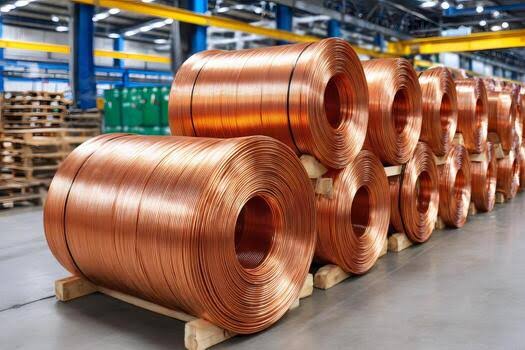
Prysmian and Aurubis Sign Europe’s Largest Long-Term Copper Wire Rod Supply Deal
Prysmian and Aurubis have reached their largest long-term copper wire rod agreement, creating a significant new supply link for Europe’s growing electrification economy. The deal combines long-term supply security with recycled low-carbon copper, giving cable manufacturing an important connection to both raw material availability and emissions reduction.
Copper wire rod sits at a critical point in the industrial supply chain. Manufacturers convert it into wires and cables used in electricity networks, renewable energy projects, buildings, industrial equipment and transportation systems.
For procurement teams, the agreement signals a broader shift in copper sourcing. Buyers increasingly need to balance reliable volumes, material quality, cost exposure and environmental performance when selecting long-term suppliers.
Why Copper Wire Rod Matters to Europe’s Electrification Push
Europe’s electrification strategy depends heavily on copper because the metal combines high electrical conductivity with the durability required for demanding infrastructure. Power cables, grid connections, motors, transformers and charging systems all depend on copper-based components.
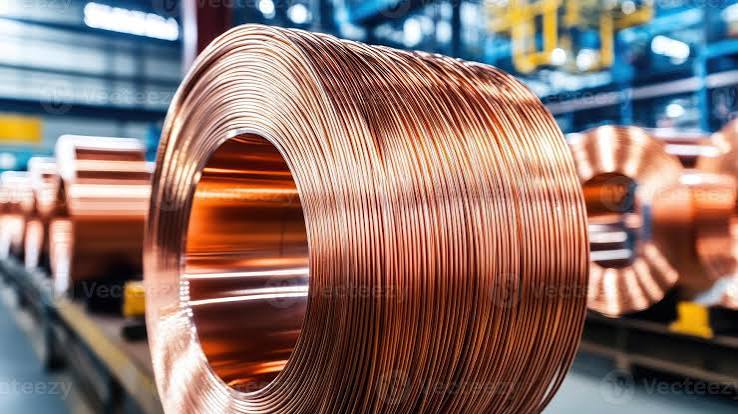
As electricity networks expand, cable manufacturers need dependable access to suitable copper feedstock. Wire rod provides the starting material for many copper wire and cable products, making its availability closely connected to downstream manufacturing capacity.
The Prysmian and Aurubis agreement therefore extends beyond a conventional raw material contract. It links a major copper producer and a major cable manufacturer through a long-term arrangement designed to support industrial demand.
For chemical and industrial traders, this relationship also illustrates how strategic metals are increasingly being managed through longer supply commitments rather than relying entirely on spot-market purchasing.
Prysmian and Aurubis Strengthen Long-Term Copper Supply
Prysmian and Aurubis have signed their largest-ever long-term agreement for copper wire rod. The arrangement gives Prysmian a more structured supply relationship with Aurubis while supporting Aurubis’ role as a supplier into Europe’s cable manufacturing chain.
Long-term contracts can help manufacturers manage several procurement risks at once. They can provide greater visibility over material availability and reduce dependence on short-term purchasing decisions during periods of tight supply.
The agreement also reflects the growing importance of supply partnerships between upstream metals producers and downstream manufacturers.
For buyers, several elements of the arrangement stand out:
Long-term supply security can improve planning for cable and electrical component production.
Recycled copper availability supports manufacturers seeking lower-carbon material inputs.
Closer producer-manufacturer relationships can improve coordination across the supply chain.
Europe-focused sourcing can strengthen regional industrial resilience as electrification investment accelerates.
These factors can influence procurement strategies well beyond the two companies directly involved.
Recycled Low-Carbon Copper Changes the Procurement Equation
The inclusion of recycled low-carbon copper is one of the most important features of the agreement. It shows that copper procurement is increasingly being evaluated not only on quantity and technical specifications but also on the environmental characteristics of the material.
Recycled copper can re-enter industrial production without requiring the same primary extraction route as newly mined material. This makes secondary copper an important resource for manufacturers seeking to reduce the emissions associated with their raw material supply.
For cable producers, the challenge lies in securing recycled material that meets the required quality and processing standards while maintaining reliable volumes.
Procurement teams should therefore consider several questions when evaluating lower-carbon copper supplies:
What percentage of the material comes from recycled sources?
How consistently can the supplier provide the required grade and volume?
What documentation supports the material’s environmental characteristics?
How does the supply agreement protect against fluctuations in availability?
Can the lower-carbon material integrate into existing manufacturing processes without compromising performance?
These considerations are becoming increasingly relevant as customers and industrial buyers request more information about the carbon footprint of products they purchase.
Copper Demand Is Closely Tied to Grid Investment
Europe’s electrification push creates several interconnected sources of copper demand. Expanding electricity networks requires additional transmission and distribution infrastructure, while renewable energy projects need extensive cabling to connect generation assets with consumers.
Electric vehicles add another layer of demand through charging infrastructure and electrical components. Industrial electrification also increases the need for motors, power systems and related equipment.
This creates a broad demand base rather than dependence on a single application.
For copper wire rod suppliers and buyers, the implications include:
Power grid expansion can increase demand for electrical cables.
Renewable energy projects can require substantial copper-intensive infrastructure.
Electric mobility creates additional requirements for wiring and charging systems.
Industrial automation and electrification can support long-term demand for conductive materials.
The resulting market environment makes supply reliability an important consideration for cable manufacturers planning production capacity.
What the Deal Means for European Copper Supply Chains
The agreement between Prysmian and Aurubis highlights a broader movement toward supply-chain resilience. European manufacturers face pressure to secure critical industrial inputs while managing energy costs, geopolitical uncertainty and sustainability requirements.
Long-term procurement agreements can provide greater visibility than short-term buying strategies. They also allow manufacturers and suppliers to align production planning more closely with expected demand.
For industrial buyers, this can influence the way copper sourcing strategies are structured. Instead of treating copper simply as a commodity purchased according to immediate price conditions, procurement teams may increasingly treat it as a strategic input requiring supplier relationships and long-term planning.
That approach can be particularly important when demand grows faster than available production capacity.
Price Exposure Still Matters for Copper Buyers
A long-term supply agreement does not eliminate the commercial importance of copper pricing. Copper remains exposed to movements in global supply, demand, energy costs, mining activity and broader industrial conditions.
Buyers therefore need to assess both physical availability and contract economics.
Procurement teams evaluating similar agreements may focus on:
Contract duration and volume commitments
Pricing mechanisms and adjustment formulas
Delivery schedules and geographic coverage
Quality specifications for wire rod
Recycled content requirements
Supplier performance and contingency arrangements
A strong sourcing strategy should balance predictable supply with competitive pricing. Buyers that focus only on the lowest immediate purchase price can face higher costs if supply disruptions affect production schedules.
Why Low-Carbon Copper Could Gain More Market Share
The inclusion of recycled low-carbon copper in a major long-term agreement points toward a wider change in industrial procurement. Environmental performance is becoming more closely connected to purchasing decisions, particularly for manufacturers that supply infrastructure, energy and transportation markets.
Cable manufacturers can face increasing pressure from customers seeking products with lower embedded emissions. Securing suitable lower-carbon copper can help manufacturers respond to those requirements while maintaining access to a critical raw material.
This trend may also create opportunities for traders that can connect verified recycled copper supply with industrial buyers.
Successful suppliers will need to demonstrate more than availability. They may also need to provide consistent specifications, reliable logistics and transparent information about material origin and environmental attributes.
What Traders and Procurement Teams Should Watch
The Prysmian and Aurubis agreement provides several signals for companies active in industrial raw material sourcing.
First, long-term contracts are becoming more strategically important. Manufacturers with predictable copper requirements may seek closer relationships with upstream suppliers to protect future production.
Second, recycled material is moving further into mainstream industrial procurement. The involvement of major companies demonstrates that lower-carbon copper can form part of large-scale supply arrangements rather than remaining a niche purchasing category.
Third, electrification continues to create interconnected demand. Grid investment, renewable energy, electric mobility and industrial electrification all contribute to copper consumption.
For traders, these developments can create opportunities in both primary and recycled copper supply chains. Buyers, meanwhile, should evaluate supplier capacity, contract flexibility and material credentials alongside traditional price considerations.
The Bottom Line for Copper Procurement
Prysmian and Aurubis’ largest long-term wire rod agreement demonstrates how Europe’s electrification drive is reshaping raw material procurement. The combination of secure copper supply and recycled low-carbon material addresses two priorities at once, supporting manufacturing continuity while responding to growing pressure for lower-emission inputs.
For chemical traders, procurement managers, importers and industrial buyers, the development highlights the importance of understanding how upstream supply agreements can affect downstream material availability. Copper sourcing is increasingly becoming a strategic decision tied to infrastructure growth, sustainability requirements and long-term production planning.
As Europe invests further in electrification, reliable access to suitable copper will remain a central consideration for manufacturers and their suppliers. Ready to source Copper from verified global suppliers? Explore competitive offers on our platform today.

Copper Sulphate Pentahydrate
Found this useful?