4-Micron Polyimide Film: Why Ultra-Thin Specialty Chemicals Matter for Flexible Electronics
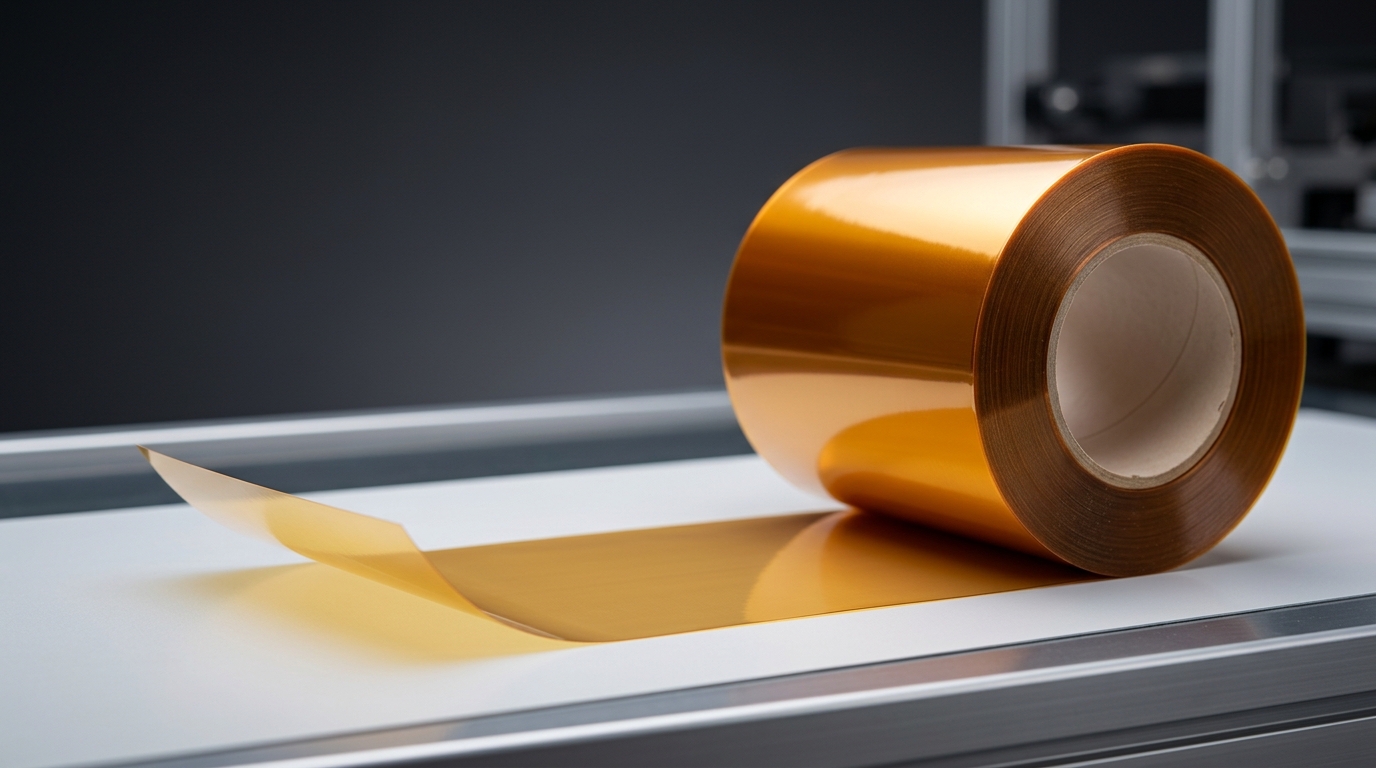
PI Advanced Materials has drawn attention in Korea's electronics materials sector with an unstretched polyimide film only 4 microns thick, developed to support thinner flexible circuit boards. The material received Korea's top electronics materials award, highlighting the growing importance of advanced specialty chemicals in next-generation electronics.
For chemical traders and procurement teams, the development points to a wider market shift. Electronics manufacturers increasingly need materials that combine extreme thinness with dimensional stability, heat resistance and reliable electrical performance. Polyimide film sits at the intersection of these requirements, making specialty material innovation increasingly important to the global electronics supply chain.
Why 4-Micron Polyimide Film Matters
Flexible circuit boards allow electronic components to bend, fold or fit into compact spaces. As consumer electronics, automotive systems and advanced devices become smaller, manufacturers need substrate materials that deliver reliable performance without adding unnecessary thickness.
A 4-micron polyimide film addresses one of the most direct challenges in flexible electronics: reducing material thickness while maintaining the properties required for demanding manufacturing processes.
The significance extends beyond the film itself. Thinner substrate materials can give circuit designers more freedom when developing compact electronic assemblies, particularly where space, weight and flexibility influence product design.
The Role of Polyimide in Flexible Circuit Boards
Polyimide is a high-performance polymer widely associated with applications requiring strong thermal and mechanical stability. Its combination of properties makes it suitable for demanding electronics environments where ordinary polymer films may not provide sufficient performance.
In flexible circuit boards, polyimide film can function as a flexible insulating substrate. Manufacturers can build conductive circuitry onto or between layers of such materials to create electronic assemblies that occupy less space than traditional rigid designs.
For procurement teams, the important characteristics can include:
Thermal resistance, which supports applications exposed to elevated processing or operating temperatures.
Dimensional stability, which helps maintain precise material geometry during manufacturing.
Electrical insulation, which supports reliable separation between conductive elements.
Flexibility, which allows circuit assemblies to accommodate bending and compact configurations.
Thin-film capability, which becomes increasingly valuable as electronic devices become smaller.
The 4-micron development therefore represents more than a reduction in thickness. It demonstrates how incremental material engineering can influence the design possibilities available to electronics manufacturers.
Korea's Electronics Materials Award Signals Market Importance
The recognition of PI Advanced Materials' film with Korea's top electronics materials award provides a strong signal about the direction of the specialty materials market. Electronics manufacturers increasingly depend on advanced chemical materials to solve engineering challenges that conventional materials cannot easily address.
The award also highlights the strategic importance of material suppliers within the electronics value chain. A finished flexible circuit board may be the visible component, but its performance depends heavily on the polymers, films, coatings, adhesives and other specialty materials used during production.
For traders and distributors, this creates opportunities around materials that support specific technical requirements rather than simple commodity volume. Buyers may increasingly evaluate specialty chemicals based on performance consistency, processing compatibility and supply reliability alongside price.
From Material Thickness to Electronics Design
Reducing film thickness can influence several aspects of flexible electronics design. A thinner substrate can contribute to slimmer circuit structures and may help manufacturers work within increasingly restricted device spaces.
This becomes particularly relevant in products where electronics must conform to unusual shapes or move during operation. Flexible displays, wearable electronics, compact sensors and other advanced devices can all benefit from materials engineered for thin, flexible architectures.
The commercial impact depends on more than thickness alone. Manufacturers need a material that remains suitable for their processing conditions and provides consistent performance across production volumes.
This is why specialty chemical procurement often differs from commodity purchasing. A small improvement in material performance can influence an entire downstream manufacturing process.
What the 4-Micron Development Means for Buyers
For procurement professionals, advanced polyimide film developments reinforce the need to evaluate specialty materials using technical and commercial criteria together.
A supplier's ability to provide a material at an extremely low thickness is valuable only when production consistency and application performance meet the customer's requirements. Buyers should therefore consider several factors during sourcing:
Film specifications: Thickness tolerance, mechanical properties and electrical characteristics should match the intended application.
Production consistency: High-volume electronics manufacturing requires predictable material performance from batch to batch.
Processing compatibility: The film needs to work with the customer's existing circuit fabrication processes.
Supply continuity: Advanced electronics manufacturers often require stable deliveries because material shortages can disrupt highly integrated production schedules.
Technical support: Specialty materials can require closer communication between supplier, processor and end user than standard industrial chemicals.
These requirements make supplier qualification particularly important. A low quoted price does not necessarily represent the lowest total procurement cost if inconsistent material creates production losses or process adjustments.
Specialty Chemicals Are Becoming More Important to Electronics
The development of ultra-thin polyimide film reflects a broader transformation across the specialty chemicals market. Electronics manufacturers increasingly require materials engineered around precise performance targets rather than generic chemical specifications.
This trend creates demand for specialty polymers, electronic-grade solvents, conductive materials, adhesives, coatings and other high-performance inputs. Suppliers that can combine technical consistency with dependable international logistics can become strategically important to manufacturers.
For chemical traders, this shift also changes the nature of market opportunities. The strongest prospects may come from materials serving rapidly evolving applications where customers value technical differentiation and reliable supply.
Electronics is particularly attractive because material requirements can evolve alongside new device architectures. As products become thinner, lighter and more flexible, their supporting chemical materials must evolve with them.
Sourcing Challenges for Advanced Electronics Materials
Specialty chemical procurement can involve more complexity than sourcing conventional industrial products. Buyers may need detailed technical specifications, controlled production conditions and documentation that supports quality assurance requirements.
International sourcing introduces additional considerations. Logistics, packaging, storage conditions, lead times and regional availability can all influence the practical cost of an advanced material.
Procurement teams should also distinguish between a material's headline specification and its suitability for a particular manufacturing process. A film that meets a nominal thickness target may still require evaluation for mechanical strength, thermal behavior, surface characteristics and compatibility with downstream processing.
This makes technical communication between buyers and suppliers essential. Clear specifications at the quotation stage can reduce misunderstandings and help suppliers offer the right grade for the intended application.
Where Ultra-Thin Materials Could Create New Demand
The push toward thinner flexible circuitry can extend beyond one electronics category. Compact and flexible electronic architectures continue to create opportunities for materials that occupy less physical space while maintaining reliable performance.
Potential areas of demand include:
Wearable electronics, where flexibility and compact dimensions are central to product design.
Flexible displays, where thin material structures can support advanced device architectures.
Automotive electronics, where packaging constraints can increase demand for compact circuit solutions.
Portable consumer devices, where manufacturers continually seek thinner and lighter designs.
Sensors and smart devices, where flexible circuitry can support integration into unconventional form factors.
The commercial opportunity for specialty chemical suppliers comes from supporting these applications with materials that satisfy increasingly narrow technical specifications.
Procurement Priorities for Polyimide Film Buyers
Buyers evaluating advanced polyimide materials should approach sourcing as a combination of technical qualification and supply-chain management.
The first priority is to establish a clear specification covering thickness, performance requirements and intended processing conditions. Procurement teams can then compare suppliers on both technical suitability and commercial terms.
Supplier evaluation should also consider production capacity and international delivery capability. A material may meet every laboratory requirement but still create problems if the supplier cannot support the required volume or delivery schedule.
For global buyers, a strong sourcing process should balance:
Technical performance against the application's actual requirements.
Supplier reliability against production and delivery schedules.
Price competitiveness against the potential cost of material inconsistency.
Documentation and quality control against customer and manufacturing requirements.
Long-term availability against expected growth in electronics demand.
This approach helps procurement teams avoid treating advanced specialty chemicals as interchangeable commodities.
Looking Ahead to Thinner Flexible Electronics
The 4-micron polyimide film recognized in Korea demonstrates how specialty material innovation can influence the future of electronics manufacturing. As circuit architectures become more compact and flexible, the ability to engineer materials at extremely low thicknesses can become an important competitive advantage.
For chemical traders, importers, exporters and industrial buyers, the development also reinforces the value of following material innovation closely. Demand can emerge quickly when a new material solves a limitation in an established manufacturing process.
The wider opportunity lies in connecting advanced material producers with electronics manufacturers that need reliable access to specialized inputs. As flexible electronics continue to evolve, procurement teams will increasingly look for suppliers capable of delivering both technical performance and dependable global supply.
For buyers operating in specialty chemicals, developments such as this offer a useful market signal: material innovation is becoming an increasingly important part of electronics competitiveness. Ready to source Polyimide Film from verified global suppliers? Explore competitive offers on our platform today.
Source:
https://chemxplore.com/news/pi-advanced-materials-polyimide-film-award
Fumed Silica
Found this useful?