PTT Global Chemical and SCG Chemicals Advance Olefins/Polyolefins JV Talks
PTT Global Chemical and SCG Chemicals Advance Olefins/Polyolefins JV Talks
PTT Global Chemical (GC) and SCG Chemicals (SCGC) are moving forward with plans to establish a strategic joint venture combining their olefins and polyolefins businesses in Thailand. The companies have entered the confirmatory due diligence phase and are continuing negotiations on the key terms of the proposed transaction.
The companies now expect to finalize major transaction parameters by October 2026, including the proposed shareholding structure, transaction steps and quantified synergies.
GC and SCGC Move Into Confirmatory Due Diligence
The proposed joint venture has progressed from an initial feasibility study into confirmatory due diligence. This stage allows both companies to validate financial, operational and business information before determining the final structure of the transaction.
According to the companies, discussions are continuing around the terms of the potential JV while the expected benefits and synergies from combining their assets are being assessed and quantified.
The transaction is still under evaluation and has not yet been completed. It remains subject to internal corporate approvals, approvals from relevant joint-venture partners where applicable, and regulatory approvals.
Proposed JV to Combine Thai Olefins and Polyolefins Assets
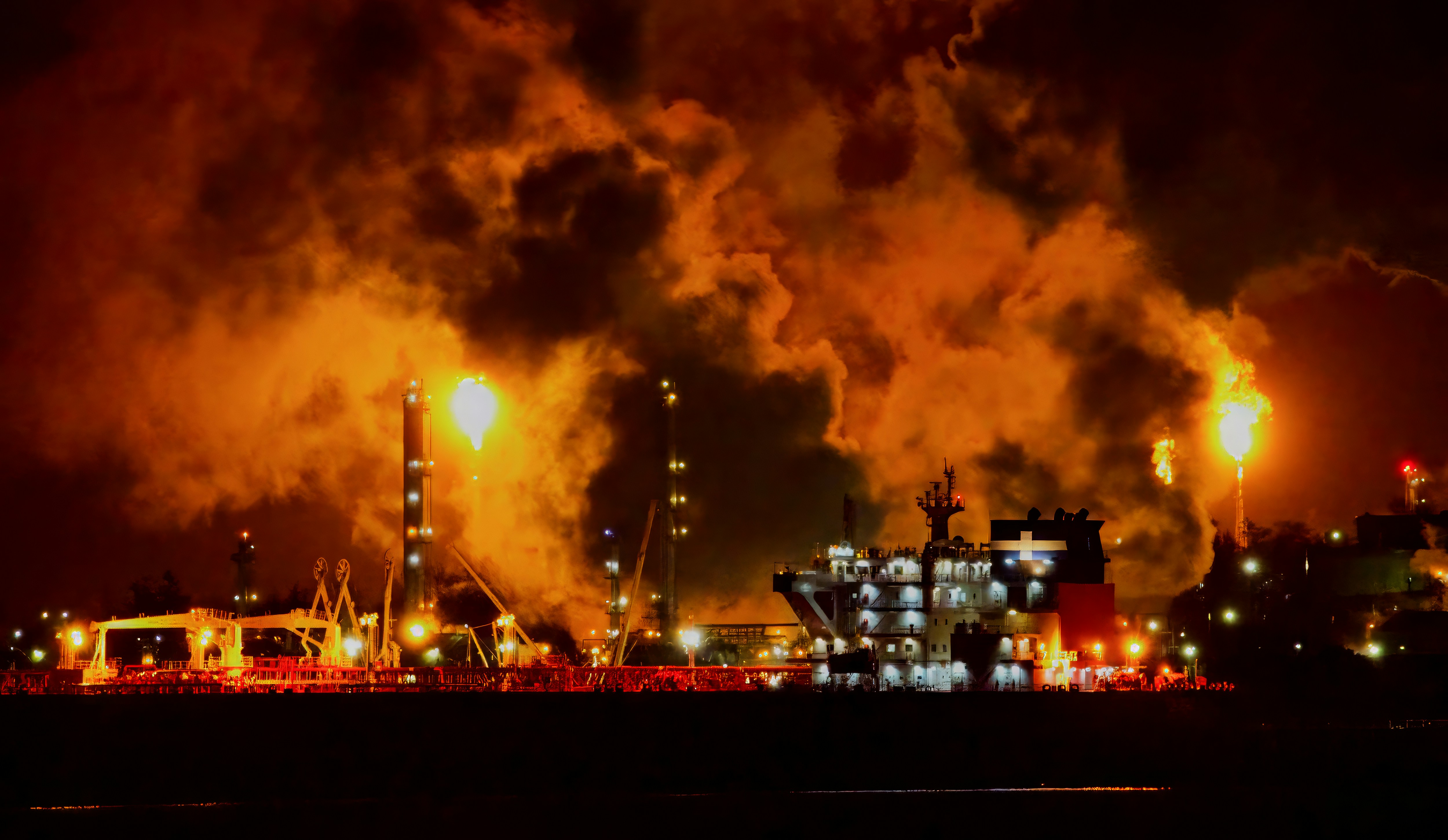
The proposed venture would bring together significant portions of GC's and SCGC's Thai petrochemical operations.
GC's assets under consideration include its olefins and polyolefins businesses in Thailand, including its shares in HMC Polymers Co., Ltd.
SCGC's proposed contribution includes its Thai olefins crackers, polyethylene (PE) and polypropylene (PP) production facilities, together with its interests in several related joint ventures. These include:
Siam Polyethylene Co., Ltd.
Siam Synthetic Latex Co., Ltd.
Thai MMA Co., Ltd.
Bangkok Synthetics Co., Ltd.
If established, the new venture is expected to hold the relevant interests currently owned by GC and SCGC in these businesses.
GC Expected to Become a Major Shareholder
Under the transaction framework currently being considered, GC is expected to become a major shareholder, while SCGC is expected to remain a significant shareholder.
The companies have not yet disclosed the final ownership percentages. Those details are among the key transaction parameters expected to be finalized during October 2026.
The final structure will depend on the outcome of due diligence, negotiations, corporate approvals and regulatory review.
Focus on Scale and Supply Chain Integration
One of the central objectives of the proposed JV is to create greater scale across Thailand's petrochemical value chain.
GC and SCGC expect the combination to provide opportunities for:
Greater operating scale
More integrated supply-chain management
Improved feedstock management
Operational optimization
Stronger downstream capabilities
Greater focus on high-value-added products
Development of differentiated petrochemical products
The companies said these factors could strengthen the competitiveness of the combined business in regional and global markets.
Potential 7 Million-Tonne Annual Olefins Platform
Market analysis following the announcement has indicated that the proposed combination could create an olefins platform with approximately 7 million tonnes per year of capacity.
ICIS reported that the assets under consideration include GC's crackers and polyethylene facilities as well as SCGC's crackers and PE and PP plants. Market analysis has also highlighted the potential importance of combining feedstock and downstream assets within Thailand.
However, the companies have not yet published final capacity, ownership or financial figures for the proposed JV. Therefore, these figures should be treated as market estimates rather than final transaction parameters.
Strengthening Thailand's Petrochemical Industry
The proposed combination comes as petrochemical producers across Asia face pressure from global capacity growth, changing feedstock economics and competitive challenges.
GC and SCGC said the JV is intended to strengthen Thailand's position by making greater use of the country's integrated petrochemical infrastructure.
The companies also expect the combination to support customers, business partners and related industries by improving efficiency across the supply chain.
GC previously said that, if the JV proceeds, the combined olefins and polyolefins operation could rank among the top 10 globally by combined production capacity.
Polyethylene and Polypropylene at the Core
Polyolefins are among the most widely used polymer materials in modern manufacturing.
Polyethylene (PE) is used in packaging, pipes, films, containers, industrial products and numerous consumer applications.
Polypropylene (PP) is widely used in automotive components, packaging, appliances, medical products, textiles and industrial applications.
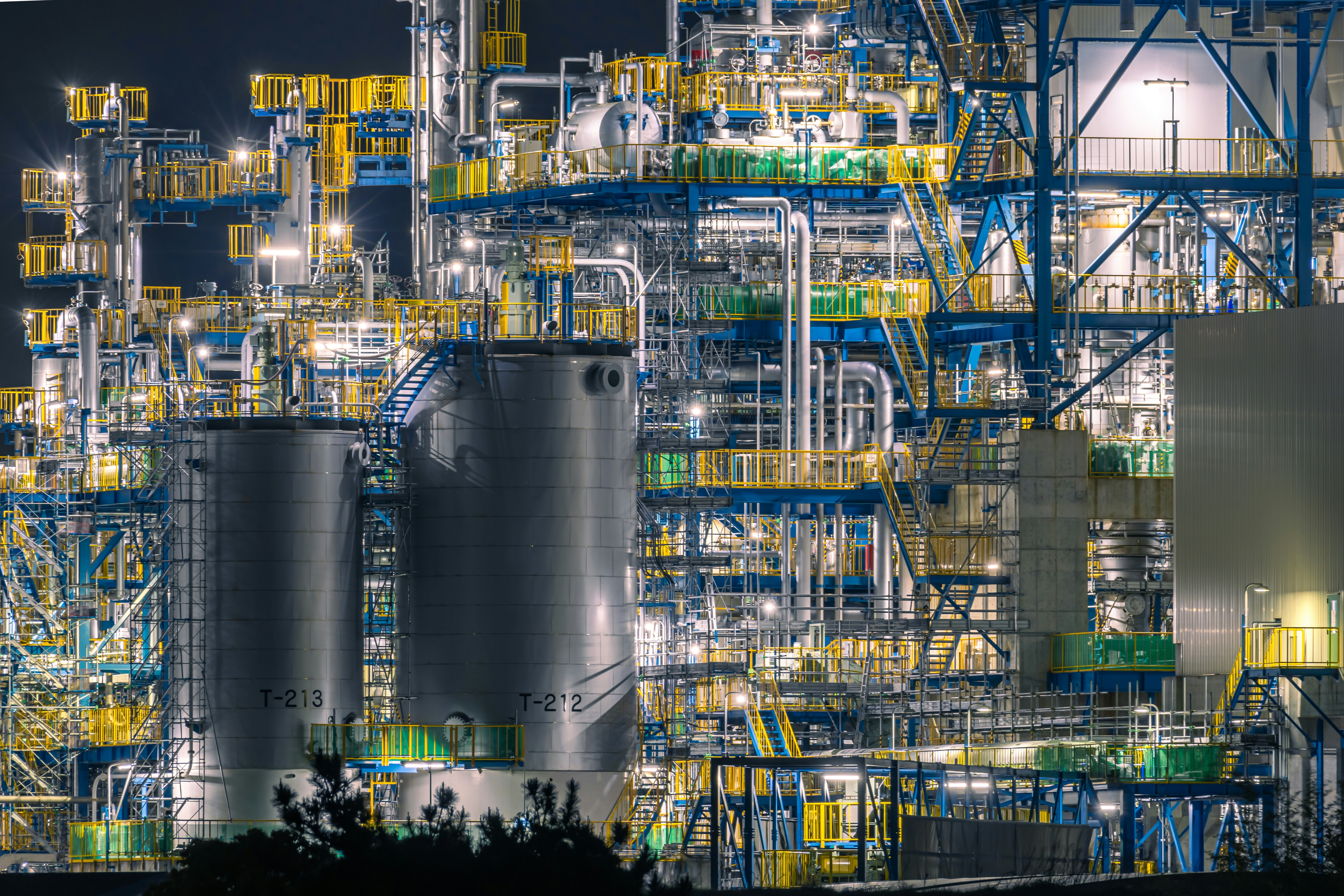
By combining upstream olefins production with downstream polymer facilities, the proposed JV could create a more integrated production structure spanning feedstock, crackers and polymer manufacturing.
Next Step: Finalizing the Transaction Framework
GC and SCGC expect to finalize the main transaction parameters by October 2026.
These parameters are expected to include:
Shareholding structure
Transaction steps
Quantified synergies
Scope of contributed assets
Other key commercial and structural terms
After the relevant terms are established, the companies plan to submit the required filing to the Trade Competition Commission of Thailand (TCCT) for approval.
The proposed transaction will therefore require several additional steps before the joint venture can formally be established.
From April MoU to October Negotiations
The cooperation began with a non-binding MoU announced on April 29, 2026.
At that stage, GC and SCGC agreed to explore a potential combination of their Thai olefins and polyolefins operations, including polyethylene and polypropylene businesses.
The companies said the proposed partnership was intended to strengthen Thailand's petrochemical supply chain, improve competitiveness and make better use of the country's integrated infrastructure.
The latest September 30 update represents a further step toward determining whether the proposed combination can move from a study into a formal transaction.
What the JV Could Mean for the Regional Petrochemical Market
If completed, the proposed venture would create a significantly larger integrated petrochemical platform in Thailand.
Greater scale could potentially support operational efficiencies, while integration between olefins production and downstream polymers could improve coordination across the value chain.
The companies are also targeting higher-value and differentiated products, indicating that the proposed combination is intended to go beyond simply increasing production scale.
For the wider ASEAN petrochemical market, the transaction could become an important example of consolidation and integration as producers respond to changing market conditions and increasing competition.
Source Links:
2-Ethyl Hexanol
Found this useful?