Parlin and Pompton Lakes Sites Also Covered Under the Comprehensive PFAS Settlement
The recently approved $2.5 billion settlement between New Jersey, DuPont-related entities and 3M extends beyond the well-known Chambers Works facility. The agreement explicitly covers legacy contamination claims at the Parlin and Pompton Lakes sites. These locations represent additional significant sources of per- and polyfluoroalkyl substances (PFAS) pollution in the state. Including these sites in the settlement ensures a coordinated approach to remediation across multiple contaminated zones.
For chemical buyers and procurement professionals, this broadened scope highlights the extensive footprint of historical chemical manufacturing. It demonstrates that liability is not confined to a single plant but often spans an entire regional network of facilities. Understanding the specific challenges at Parlin and Pompton Lakes helps buyers assess the broader environmental risks associated with their supply chains.
The Parlin Site: A Legacy of Industrial Complexity
The Parlin facility in Middlesex County has a long history of chemical production. Originally operated by General Aniline and Film Corporation and later by AlliedSignal and Honeywell, the site also has ties to DuPont through various corporate transactions. For decades, it produced pigments, dyes and other specialty chemicals. These operations resulted in complex contamination involving heavy metals and PFAS compounds.
The inclusion of Parlin in the settlement acknowledges the shared responsibility among multiple corporate entities. It ensures that funding is available for the extensive cleanup required. The site’s proximity to residential areas and waterways makes its remediation a high priority for state regulators.
Key challenges at the Parlin site include:
Mixed Contaminants: Presence of both PFAS and heavy metals requires specialized treatment methods
Groundwater Plumes: Contamination has spread into local aquifers requiring long-term monitoring
Community Concerns: Local residents have advocated strongly for thorough cleanup and health studies
Corporate History: Complex ownership changes complicate liability assignment without a comprehensive settlement
Pompton Lakes: Addressing Localized Pollution
The Pompton Lakes site in Passaic County represents another critical area of concern. This facility was involved in the production of fluoropolymers and other chemical products. Like Parlin, it has contributed to local groundwater and soil contamination. The settlement ensures that resources are dedicated to addressing these specific environmental impacts.
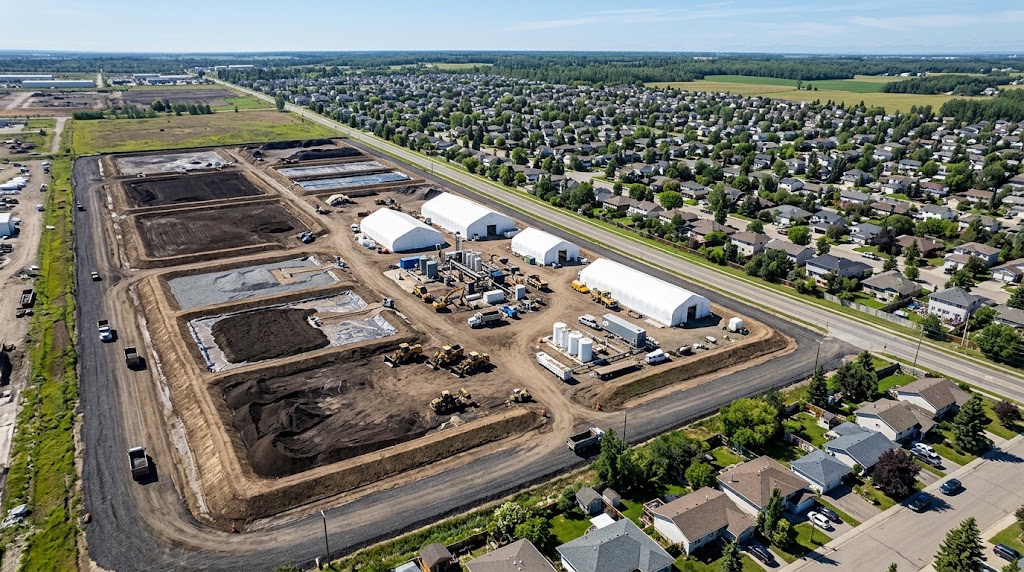
Remediation efforts at Pompton Lakes will likely involve similar technologies to those used at other sites. Pump-and-treat systems, soil excavation and containment barriers are standard tools for PFAS cleanup. The availability of settlement funds allows for the implementation of these best practices without budget constraints.
The multi-site nature of the settlement reflects the reality of industrial chemistry. Pollution rarely respects property lines or corporate boundaries. A holistic approach that addresses all affected sites simultaneously is more efficient and effective than piecemeal litigation.
Comprehensive Remediation Strategy
By covering Chambers Works, Repauno, Parlin and Pompton Lakes, the settlement creates a unified remediation strategy for New Jersey. This approach allows for the sharing of technical expertise and resources across sites. It also simplifies regulatory oversight by establishing consistent standards for cleanup performance.
The $875 million contribution from DuPont-related entities and up to $450 million from 3M will be allocated based on the specific needs of each site. Some locations may require more intensive groundwater treatment while others focus on soil removal. This flexibility ensures that funds are used where they are most needed.
For suppliers of environmental services, this comprehensive strategy creates sustained demand. Companies specializing in PFAS removal, waste management and environmental consulting can expect long-term contracts. Buyers in these sectors should monitor procurement opportunities arising from these large-scale projects.
Implications for Supplier Liability Assessment
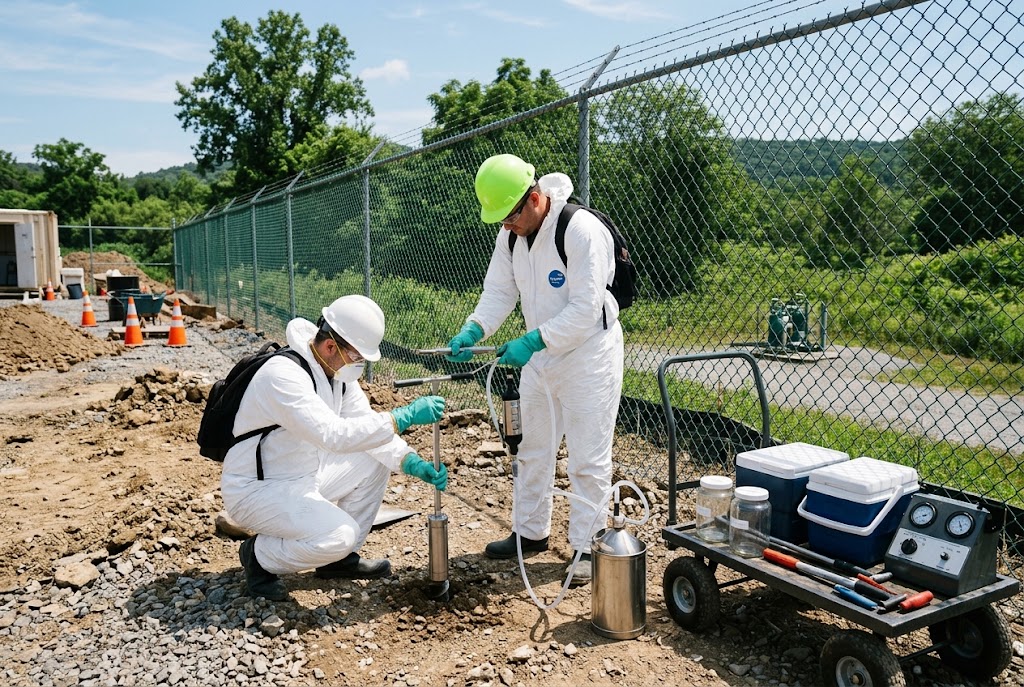
The inclusion of multiple sites in the settlement reinforces the importance of thorough supplier due diligence. Buyers must understand the full geographic and historical scope of a supplier’s operations. A company may have manufactured hazardous materials at several locations over many decades.
When evaluating suppliers, consider the following factors:
Site Inventory: Identify all historical manufacturing facilities associated with the supplier
Contamination History: Review environmental records for each site to assess liability exposure
Corporate Lineage: Trace ownership changes to understand how liabilities were transferred
Remediation Status: Determine if active cleanup efforts are underway and how they are funded
Suppliers with multiple contaminated sites face higher cumulative liability risks. This can impact their financial stability and operational focus. Procurement teams should prioritize vendors who have proactively addressed these issues through settlements or voluntary cleanup programs.
Impact on Regional Supply Chains
Large-scale remediation projects can affect local supply chains. Increased truck traffic, road closures and utility work may disrupt logistics in the affected areas. Suppliers located near Parlin or Pompton Lakes may experience temporary delays or increased transportation costs.
Buyers sourcing from these regions should maintain open communication with their vendors. Discuss potential logistical challenges and develop contingency plans. Building extra lead time into orders can help mitigate the impact of local construction activities.
Conversely, the investment in remediation infrastructure can benefit the region in the long run. Upgraded utilities and improved environmental conditions may attract new businesses and enhance the overall industrial ecosystem. This positive development could strengthen the local supply base over time.
Regulatory Precedents for Multi-Site Cleanup
The New Jersey settlement sets a important precedent for handling multi-site contamination cases. Other states facing similar challenges may adopt this comprehensive approach. Instead of litigating each site individually, regulators may seek global settlements that address all known contamination sources.
This trend simplifies the legal landscape for chemical manufacturers. It provides clarity on total liability exposure and allows for better financial planning. For buyers, it means that suppliers facing multi-site claims may resolve them more efficiently through broad agreements.
However, it also means that the total financial burden on manufacturers is substantial. The cumulative cost of cleaning up multiple sites can strain even the largest corporations. Procurement teams must remain vigilant about the financial health of their suppliers in light of these significant obligations.
The Bottom Line for Procurement Teams
The inclusion of Parlin and Pompton Lakes in the NJ PFAS settlement underscores the widespread nature of chemical contamination. For buyers, it highlights the need for comprehensive due diligence that accounts for all historical manufacturing sites. Supplier stability is linked to their ability to manage these complex environmental liabilities.
Procurement professionals must look beyond single-site assessments. Evaluate the full environmental footprint of your suppliers. Prioritize partners who demonstrate transparency and commitment to responsible remediation. Diversify your supply base to reduce exposure to any single vendor’s legal risks.
By understanding the scope of these settlements, you can make more informed sourcing decisions. Stay informed about regulatory developments and engage proactively with your suppliers. This approach builds a resilient supply chain capable of navigating the complexities of modern environmental liability.
Ready to source activated carbon from verified global suppliers? Explore competitive offers on our platform today.
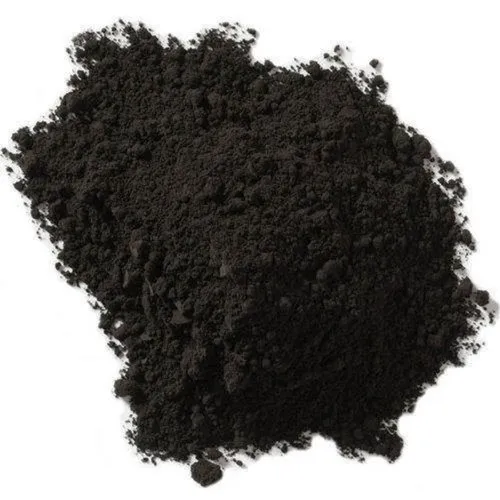
Activated Carbon (Granular) - India
Found this useful?