Overton Nomination Timing Coincides With Broader Federal Regulatory Rollback Efforts
Pasted text(20260821-074510).txt
Document
Sustainable Products Transition Expected to Reemerge as a Dominant Investment Theme Beyond 2026
BANNER IMAGE PROMPT (Featured Thumbnail): A single modern chemical manufacturing facility integrating green technology, circular materials processing and renewable energy infrastructure, with recycled chemical feedstocks and sustainable product samples subtly visible in the foreground. Dark neutral gradient background, Aspect ratio 16:9. Photorealistic, ultra HD, sharp focus, clean composition, no text, no labels, no logos.
BLOG METADATA
TITLE: Sustainable Products Transition Expected to Reemerge as a Dominant Investment Theme Beyond 2026
EXCERPT: Sustainable products, green technologies and circularity may temporarily lose investor attention during periods of weak chemical-sector economics, but the transition remains a long-term growth opportunity. As investment conditions improve, sustainability is expected to regain prominence through the 2030s.
INDUSTRY: Chemicals
TAG: Sustainable Chemicals
SEO FIELDS
META TITLE: Sustainable Products Investment Outlook Beyond 2026
META DESCRIPTION: Sustainable products, green technology and circularity could reemerge as major chemical industry investment themes beyond 2026 and into the 2030s.
The chemical industry's transition toward sustainable products has temporarily moved down the investment agenda as companies prioritize cash flow, capacity utilization and near-term profitability. Yet the underlying drivers behind decarbonization, circularity and resource efficiency have not disappeared.
The current slowdown should therefore be viewed as a pause rather than an end to the transition.
As chemical markets recover and companies regain greater investment capacity, sustainable products and green technologies could reemerge as major growth themes. The shift may become particularly visible as businesses prepare for the 2030s, when regulatory requirements, customer expectations and resource constraints could increasingly shape investment decisions.
For chemical procurement teams, traders and manufacturers, this creates an important strategic question: how should companies prepare for a sustainability investment cycle that may return after a period of restraint?
Why Sustainability Investment Has Temporarily Lost Momentum
Chemical companies have faced challenging market conditions, including overcapacity, weak margins and elevated energy costs. Under these circumstances, management teams often prioritize investments that protect existing cash flow or improve the efficiency of current assets.
Large-scale sustainability projects can struggle to compete for capital when their returns appear distant.
Projects involving new low-carbon production technologies, circular feedstocks or alternative manufacturing processes may require significant upfront investment. If customers remain reluctant to pay a premium, companies can find it difficult to justify rapid deployment.
This does not necessarily eliminate the long-term opportunity.
Instead, companies may be postponing projects until economics, technology and market demand become more favorable.
The Transition Has Multiple Drivers
The sustainable-products transition is broader than decarbonization alone.
Several developments can reinforce the long-term investment case:
Lower-carbon production: Companies are working to reduce emissions from energy-intensive chemical processes.
Circularity: Businesses are seeking ways to recover, recycle and reuse materials rather than relying exclusively on virgin feedstocks.
Renewable feedstocks: Bio-based and other alternative feedstocks can reduce dependence on fossil resources in selected applications.
Resource efficiency: Manufacturers are looking for ways to reduce energy, water and material consumption.
Sustainable product design: Customers increasingly evaluate the environmental characteristics of finished products and their inputs.
These themes can continue developing even when capital spending on individual projects slows.
Circularity Could Become a Major Growth Platform
Circularity is particularly relevant to the chemical industry because many chemical products eventually become part of larger material systems.
Chemical producers can support circular models through recycled feedstocks, chemical recycling, improved recovery technologies and processes designed to retain material value.
The commercial opportunity extends beyond waste management.
Circular feedstocks can become inputs for new chemical production, creating a different relationship between chemical manufacturers and waste or recycling industries.
This could generate new supply chains involving:
Recycled polymers.
Recovered chemical feedstocks.
Waste-derived carbon sources.
Advanced recycling technologies.
Material recovery systems.
Traceability and certification services.
As these markets scale, procurement teams may need to develop sourcing strategies that include both conventional and circular feedstocks.
Green Technology Could Return to the Investment Agenda
Some green technologies have struggled to compete with conventional production during periods of weak chemical-sector economics.
That situation can change as technologies mature and costs decline.
Industrial companies may eventually revisit technologies such as:
Electrified chemical processes.
Renewable-powered production.
Carbon capture and utilization.
Low-carbon hydrogen.
Bio-based chemical production.
Advanced recycling.
Energy-efficient process technologies.
The pace of adoption will vary significantly by technology and application.
Companies are likely to prioritize solutions that demonstrate clear economics alongside environmental benefits. Technologies that can reduce both emissions and operating costs may gain adoption faster than solutions that depend entirely on premium pricing.
[IMAGE PLACEHOLDER 1]
Dimensions: 1200 x 800 px
AI Image Prompt: "Photorealistic advanced circular chemical manufacturing facility with recycled feedstock processing equipment, renewable energy infrastructure and modern low-carbon production units, industrial engineers inspecting sustainable materials, realistic professional environment, no text, no labels, no logos."
Customer Demand Could Strengthen the Business Case
The investment outlook will also depend on downstream customers.
Chemical producers cannot build sustainable product markets independently. Manufacturers using chemicals in packaging, automotive, electronics, construction, consumer products and other industries ultimately determine how much demand develops for lower-impact materials.
Customer requirements could become stronger as companies measure their own supply-chain emissions and environmental performance.
This can create a cascading effect.
A consumer brand may establish sustainability targets, which puts pressure on its suppliers. Those suppliers may then require lower-carbon or circular materials from chemical producers.
As more companies adopt similar requirements, sustainable inputs can move from niche products toward mainstream procurement categories.
Regulation Could Accelerate the Next Investment Cycle
Regulation remains another long-term driver.
Governments can influence chemical markets through carbon pricing, waste rules, recycling requirements, emissions standards and product regulations.
Even when implementation timelines shift, companies generally need to consider the possibility of tighter requirements over longer planning horizons.
This creates an incentive to develop technologies before regulation becomes fully restrictive.
For chemical manufacturers, early investment can provide time to qualify technologies, establish supply chains and work with customers before compliance deadlines create concentrated demand.
Green Premiums Remain a Key Constraint
The transition still faces a major commercial obstacle: customers may not consistently accept higher prices for sustainable products.
This issue can limit investment even when companies recognize the strategic importance of sustainability.
A sustainable chemical that costs significantly more than its conventional equivalent may struggle to gain market share unless customers receive another form of value.
That value could come from:
Regulatory compliance.
Lower lifecycle emissions.
Improved product positioning.
Access to sustainability-focused customers.
Reduced exposure to future carbon costs.
Better resource efficiency.
The most successful sustainable products are therefore likely to be those where environmental benefits increasingly align with economic value.
Scale Could Reduce the Cost of Sustainable Products
Many emerging technologies remain expensive because production capacity is limited.
Scaling can change the economics.
As more facilities adopt sustainable processes, suppliers can benefit from larger production volumes, improved equipment utilization and greater supply-chain efficiency.
This can gradually reduce the premium associated with green products.
A potential transition pathway therefore looks like:
Early technology adoption → increased production capacity → lower unit costs → wider customer adoption → further investment.
The challenge for industry is moving technologies far enough along this curve to reach competitive economics.
Procurement Strategies May Need to Change
The return of sustainability investment could significantly affect chemical procurement.
Traditional procurement strategies often emphasize price, quality and supply reliability. Sustainable sourcing adds additional dimensions.
Buyers may increasingly evaluate:
Product carbon footprint.
Recycled content.
Feedstock origin.
Renewable energy usage.
Supplier emissions.
Circularity credentials.
Certification.
Supply-chain traceability.
This does not mean price becomes irrelevant. Instead, procurement teams may need to calculate the broader commercial and regulatory value of sustainable materials.
Suppliers Could Gain an Advantage Through Early Preparation
Chemical suppliers that prepare for renewed sustainable demand could be better positioned when investment accelerates.
Preparation may include developing lower-carbon production pathways, securing circular feedstocks, building partnerships with recycling companies or improving product-level environmental data.
Technical documentation will also become increasingly important.
Customers need credible information to compare sustainable products. Suppliers that can provide transparent carbon and circularity data may have an advantage over competitors that rely primarily on broad environmental claims.
Investment May Shift Toward Practical Sustainability
The next sustainability investment cycle may look different from the first wave of green investment.
Companies have learned that environmental projects must compete within the same capital-allocation framework as conventional investments.
As a result, future projects are likely to receive greater scrutiny around:
Return on investment.
Production economics.
Customer commitments.
Technology maturity.
Regulatory exposure.
Feedstock availability.
Infrastructure requirements.
Long-term competitiveness.
This could favor practical technologies capable of delivering measurable environmental improvements without creating unsustainable cost structures.
Chemical Traders Can Prepare for New Supply Chains
The growth of sustainable products could create new trading opportunities.
Circular and renewable feedstocks often have different geographic supply patterns from conventional petrochemical inputs. Traders with strong supplier networks could help connect emerging producers with customers seeking alternative raw materials.
Potential areas include:
Bio-based chemical feedstocks.
Recycled polymer inputs.
Recovered solvents.
Circular carbon sources.
Low-carbon intermediates.
Sustainable additives.
The market will require stronger traceability because buyers need confidence that alternative materials genuinely meet their sustainability specifications.
What Procurement Teams Should Monitor
Procurement teams do not need to wait for the next major investment cycle before preparing.
Useful indicators include:
New production capacity: Track commercial-scale projects involving circular or low-carbon chemicals.
Customer commitments: Monitor major manufacturers signing long-term agreements for sustainable materials.
Technology costs: Watch whether emerging processes approach cost parity with conventional alternatives.
Regulatory developments: Identify rules that could increase demand for sustainable products.
Supplier investment: Monitor chemical producers expanding sustainable product portfolios.
Feedstock availability: Assess whether recycled and renewable inputs can support reliable long-term supply.
These signals can help buyers identify when sustainable products are moving from strategic pilots toward mainstream procurement.
What Chemical Companies Should Do Now
Companies can prepare for a future sustainability investment cycle without committing prematurely to every emerging technology.
Recommended actions include:
Maintain technology pipelines: Continue monitoring promising green technologies even when capital deployment slows.
Build supplier intelligence: Identify producers developing commercially scalable sustainable materials.
Test alternative feedstocks: Evaluate circular and renewable inputs where technically feasible.
Develop carbon data: Improve product-level emissions information.
Engage customers early: Understand which sustainability attributes customers may eventually require.
Evaluate total economics: Compare sustainable products using lifecycle and regulatory considerations rather than purchase price alone.
Protect flexibility: Avoid locking into a single technology before commercial economics become clear.
This approach allows companies to remain prepared while maintaining financial discipline.
The Bottom Line for Chemical Procurement Teams
The sustainable-products transition may be temporarily out of favor as chemical companies focus on profitability, utilization and cash flow. But the underlying drivers of green technology, circularity and lower-carbon production remain intact.
As market conditions improve, sustainability could reemerge as a dominant investment and growth theme extending into the 2030s. The next phase is likely to place greater emphasis on technologies that combine measurable environmental benefits with competitive economics.
For procurement teams, the priority is preparation. Tracking emerging suppliers, alternative feedstocks, technology costs, customer commitments and regulatory developments can provide an early view of where sustainable chemical markets are heading.
Companies that build this intelligence now may be better positioned when the next major wave of sustainability investment begins.
Ready to source Calcium Carbonate (Coated) from verified global suppliers? Explore competitive offers on our platform today.
PRODUCT CARD SUGGESTION:
SUGGESTED PRODUCT: Calcium Carbonate (Coated)
Chinese Capacity Additions Continue Driving Commodity Chemical Overcapacity Regulatory Debates
CONTEXT: Aggressive Chinese capacity additions in core commodity chemicals like olefins and polymers continue fueling regulatory and trade policy debates over how to address resulting global oversupply.
Chinese Capacity Additions Continue Driving Commodity Chemical Overcapacity Regulatory Debates
BANNER IMAGE PROMPT (Featured Thumbnail): A single large modern Chinese petrochemical complex with multiple olefin and polymer production units, storage tanks and extensive industrial infrastructure under an overcast sky, symbolizing expanding commodity chemical capacity and global oversupply. Dark neutral gradient background, Aspect ratio 16:9. Photorealistic, ultra HD, sharp focus, clean composition, no text, no labels, no logos.
BLOG METADATA
TITLE: Chinese Capacity Additions Continue Driving Commodity Chemical Overcapacity Regulatory Debates
EXCERPT: Rapid capacity additions in China's olefins and polymers markets continue contributing to global commodity chemical oversupply. The resulting pressure on utilization, margins and trade flows is intensifying debate over tariffs, trade remedies and other policy responses.
INDUSTRY: Commodity Chemicals
TAG: Chinese Chemical Capacity
SEO FIELDS
META TITLE: Chinese Chemical Capacity and Global Overcapacity
META DESCRIPTION: China's expanding olefin and polymer capacity is intensifying global chemical oversupply and driving new regulatory and trade policy debates.
China's continued expansion of commodity chemical production is reshaping global supply-demand dynamics. New capacity in core products such as olefins and polymers has increased available supply at a time when demand growth has struggled to absorb the additional volumes.
The resulting overcapacity is creating pressure across the international chemical industry. Producers outside China face weaker margins and lower utilization while importers and downstream manufacturers gain access to more competitive material.
For chemical procurement teams, traders and manufacturers, this creates both an opportunity and a risk. Lower prices can improve purchasing economics, but prolonged oversupply can also increase trade-policy intervention and create uncertainty around future sourcing patterns.
Why Chinese Capacity Matters to Global Chemical Markets
China has developed an extensive petrochemical manufacturing base covering major commodity chemicals, polymers and intermediates.
Additional production capacity can materially affect global markets because these products are traded internationally. When domestic Chinese supply exceeds local demand, producers can seek export markets for surplus material.
This can increase competition in regions where producers already operate with significant spare capacity.
Olefins such as ethylene and propylene are particularly important because they feed large downstream value chains. Polymers produced from these and related feedstocks then compete across packaging, construction, automotive and consumer-product applications.
As new capacity comes online, the effect can therefore extend well beyond the original production facility.
Overcapacity Creates a Margin Problem
When supply grows faster than demand, producers typically face pressure on selling prices and operating margins.
Companies may respond by reducing operating rates, delaying investment or seeking more competitive feedstocks. However, producers with lower costs may continue operating even when market conditions weaken.
This can make overcapacity persistent.
For commodity chemical buyers, the immediate effect can be attractive pricing. Yet sustained low margins can also increase the likelihood of plant closures, production cuts or consolidation among higher-cost producers.
Procurement teams therefore need to distinguish between short-term purchasing advantages and longer-term changes in supplier availability.
Olefins Remain a Key Pressure Point
Olefins sit at the center of many chemical value chains, making capacity additions particularly significant.
Ethylene and propylene feed downstream production of polymers, solvents, intermediates and numerous specialty chemicals.
When new olefin capacity exceeds demand growth, the impact can spread throughout the broader chemical chain.
Downstream producers may benefit from lower feedstock costs, but upstream manufacturers can face weaker economics. The resulting pressure can influence operating rates and investment decisions across multiple countries.
For chemical traders, monitoring olefin capacity additions can therefore provide an early signal for broader commodity chemical market conditions.
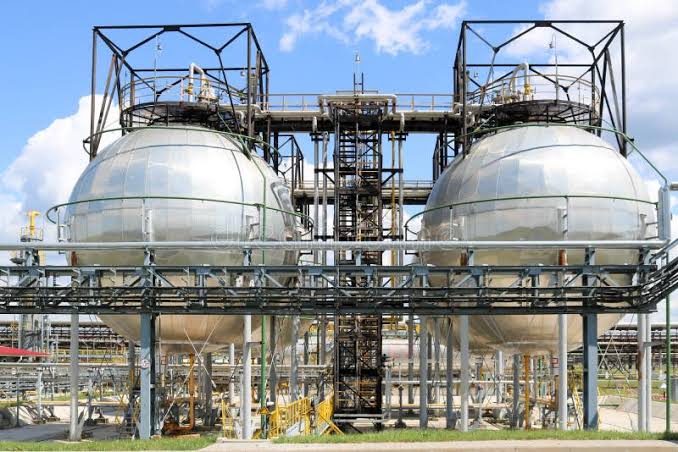
[IMAGE PLACEHOLDER 1]
Dimensions: 1200 x 800 px
AI Image Prompt: "Photorealistic aerial view of a massive modern Asian petrochemical complex with olefin processing units, polymer production lines, storage tanks and extensive pipelines, emphasizing large-scale industrial capacity and global commodity chemical production, cinematic industrial lighting, no text, no labels, no logos."
Polymer Markets Face the Same Structural Pressure
Polymer capacity expansion adds another layer to the oversupply problem.
Large volumes of polyethylene, polypropylene and other polymers enter highly competitive international markets. These products are widely used across packaging, automotive components, construction materials and consumer goods.
When supply expands faster than end-use demand, producers can face declining margins.
Export markets then become increasingly important for companies looking to maintain plant utilization.
This can increase competition for producers in other regions and may encourage governments to examine whether imported material is entering domestic markets under conditions that harm local industry.
Trade Policy Becomes Part of the Market Equation
Persistent oversupply can eventually move the issue from commercial competition into policy discussions.
Governments and industry associations may consider trade measures when domestic producers argue that imported products are creating unfair competitive pressure.
Possible policy responses can include:
Anti-dumping investigations.
Countervailing-duty cases.
Tariff changes.
Import monitoring.
Safeguard measures.
Negotiated trade arrangements.
These measures can alter the economics of imported chemicals quickly.
A material that appears highly competitive on a delivered-cost basis can become less attractive if a new duty is imposed.
Regulatory Debates Reflect a Broader Industrial Challenge
The debate around Chinese chemical capacity is not simply about imports.
Policymakers must balance several competing objectives:
Consumer costs: Lower chemical prices can benefit downstream manufacturers and consumers.
Domestic production: Local chemical industries support employment, investment and strategic manufacturing capabilities.
Trade fairness: Governments may investigate whether competition reflects market conditions or state support and other distortions.
Industrial resilience: Maintaining domestic production of strategically important chemicals can reduce supply-chain dependence.
These considerations make policy responses difficult.
A broad restriction on imports may support domestic producers but increase costs for downstream industries that rely on competitive chemical inputs.
Procurement Teams Face a Changing Cost Environment
For buyers, Chinese overcapacity can create attractive sourcing opportunities.
Lower-cost material may allow downstream manufacturers to reduce input costs and improve margins. Importers can also benefit from greater supplier competition.
However, buyers should consider the possibility that trade measures could change the landed cost.
A procurement strategy based heavily on one low-cost origin can become vulnerable if tariffs, anti-dumping duties or logistical disruptions emerge.
Companies should therefore evaluate:
Origin concentration.
Alternative suppliers.
Tariff exposure.
Freight costs.
Supplier capacity.
Product qualification requirements.
Inventory flexibility.
This approach can help buyers capture the benefits of oversupply without becoming overly dependent on one market.
European Producers Face Particular Pressure
European chemical producers have already faced challenges from high energy costs, weaker demand and reduced competitiveness.
Additional competition from low-cost Chinese commodity chemicals can intensify those pressures.
For European producers, the issue is not simply the volume of imports. It also concerns whether existing plants can operate economically enough to justify continued investment.
Persistent margin pressure can lead to production reductions or facility closures.
For buyers, this could eventually produce an unexpected outcome: short-term oversupply followed by longer-term regional capacity contraction.
Other Producers May Respond Through Capacity Discipline
The global market response does not have to rely entirely on government intervention.
Chemical companies can reduce exposure through capacity discipline.
Potential responses include:
Delaying planned projects.
Reducing operating rates.
Converting facilities to higher-value products.
Closing older plants.
Consolidating production.
Increasing specialty chemical exposure.
These strategies can gradually rebalance supply and demand.
However, adjustment can take years, particularly when large new plants have already been constructed.
China's Domestic Demand Remains Important
The impact of Chinese capacity additions ultimately depends partly on domestic demand.
If China's economy generates stronger consumption of polymers, construction materials, automotive products and other chemical-intensive goods, additional production can be absorbed domestically.
If demand remains weaker than expected, a larger proportion of surplus production may seek export markets.
This makes Chinese demand indicators important for global chemical procurement planning.
Buyers should monitor industrial production, construction activity, automotive manufacturing and downstream polymer consumption alongside capacity announcements.
New Capacity Can Create Long-Term Structural Oversupply
One of the biggest challenges is the difference between temporary oversupply and structural overcapacity.
Temporary oversupply can emerge from weak economic conditions and eventually disappear as demand recovers.
Structural overcapacity occurs when production capability remains substantially higher than realistic long-term demand.
The latter can keep prices and margins under pressure for an extended period.
For chemical producers, structural overcapacity can fundamentally change capital-allocation strategies. Companies may become more cautious about building new commodity plants and instead prioritize specialty products or technologies offering higher margins.
What Procurement Teams Should Monitor
Chemical buyers can use capacity intelligence to anticipate changes in pricing and supply risk.
Important indicators include:
New Chinese olefin capacity.
Polymer plant commissioning schedules.
Chinese operating rates.
Export volumes.
Domestic Chinese demand.
Global plant closures.
Anti-dumping investigations.
Tariff announcements.
Freight and logistics costs.
Monitoring these indicators together is more useful than focusing only on spot chemical prices.
A low price can indicate abundant supply, but it can also signal that producers are under financial pressure and future capacity may be at risk.
What Chemical Traders Should Prepare For
Traders operating across international chemical markets should prepare for greater volatility in trade flows.
A sustained Chinese surplus can create opportunities to source competitively priced material. However, regulatory intervention can redirect those flows rapidly.
Traders should therefore maintain visibility across multiple destination markets and monitor changes in import policies.
Diversified customer networks can become particularly valuable because material that faces restrictions in one market may remain commercially attractive elsewhere.
What Procurement Teams Can Do Now
Diversify origins: Avoid excessive dependence on a single production region for critical commodity chemicals.
Track capacity: Maintain a forward-looking database of major Chinese olefin and polymer projects.
Monitor trade policy: Watch anti-dumping cases, tariffs and other measures affecting key chemical imports.
Model landed costs: Include potential duties and freight changes in sourcing scenarios.
Use flexible contracts: Where possible, avoid procurement structures that eliminate the ability to switch suppliers.
Review supplier economics: Consider whether prolonged low margins could affect a supplier's long-term operating reliability.
Monitor regional closures: Capacity reductions outside China may eventually offset some of the current oversupply.
The Bottom Line for Chemical Procurement Teams
Aggressive capacity additions in Chinese commodity chemicals are creating a structural challenge for global markets, particularly across olefins and polymers. Increased supply can provide attractive purchasing opportunities, but it also places pressure on producers in other regions and increases the likelihood of regulatory and trade-policy responses.
For procurement teams, the key is to separate short-term price advantage from long-term supply resilience. Chinese capacity growth should be monitored alongside domestic demand, export flows, plant closures and trade investigations.
As governments debate how to respond to global chemical overcapacity, sourcing strategies that combine competitive pricing with geographic diversification and regulatory intelligence will become increasingly important.
Ready to source Polypropylene (PP) Raffia Grade from verified global suppliers? Explore competitive offers on our platform today.
PRODUCT CARD SUGGESTION:
SUGGESTED PRODUCT: Polypropylene (PP) Raffia Grade
Overton Nomination Timing Coincides With Broader Federal Regulatory Rollback Efforts
CONTEXT: Heidi Overton's FDA nomination arrives amid a broader pattern of federal regulatory rollback efforts across agencies affecting the chemical and pharmaceutical sectors this year.
Overton Nomination Timing Coincides With Broader Federal Regulatory Rollback Efforts
BANNER IMAGE PROMPT (Featured Thumbnail): A photorealistic federal regulatory office overlooking a modern pharmaceutical and chemical manufacturing district, with regulatory documents, laboratory samples and compliance files arranged on a clean desk in the foreground. Professional policy and industry atmosphere, dark neutral gradient background, aspect ratio 16:9, ultra HD, sharp focus, no text, no labels, no logos.
BLOG METADATA
TITLE: Overton Nomination Timing Coincides With Broader Federal Regulatory Rollback Efforts
EXCERPT:
calendar_todayAug 21, 2026