BHP Sells Kambalda Nickel Concentrator to Gold Fields, Handover Expected in 2027
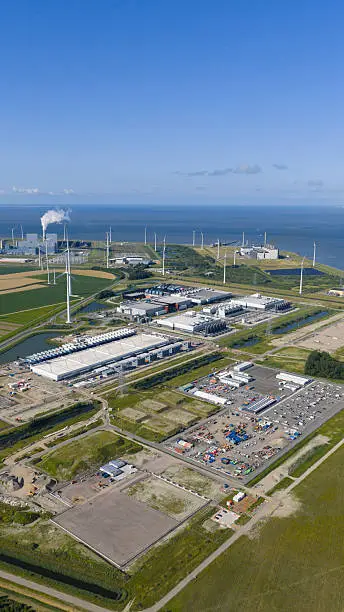
BHP’s agreement to sell its Kambalda Nickel Concentrator to Gold Fields marks a significant ownership change for nickel-processing infrastructure in Western Australia, with completion expected during calendar year 2027. The transaction includes the concentrator and associated tenements and mineralisation rights, giving Gold Fields control of assets that could support future opportunities in the region.
For chemical traders, industrial buyers and procurement managers, the deal highlights how changes in mining ownership can influence the availability of mineral resources, processing capacity and industrial raw materials. Nickel plays an important role in stainless steel manufacturing, battery materials and several industrial applications, making developments across its supply chain relevant to buyers beyond the mining sector.
BHP will continue managing the asset through the transition, maintaining operational safety and meeting its environmental, regulatory and cultural heritage obligations until the transaction closes.
What the BHP and Gold Fields Deal Covers
The agreement transfers ownership of the Kambalda Nickel Concentrator and a package of associated tenements and mineralisation rights from BHP to Gold Fields. The transaction remains subject to regulatory approvals and other conditions, with completion targeted for 2027.
The concentrator forms part of Western Australia's established mining and mineral-processing network. Its future ownership could create new opportunities for resource development, although Gold Fields must assess the facility's long-term use before committing to a specific operating strategy.
The transaction has three main components:
Processing infrastructure: Gold Fields will acquire the Kambalda Nickel Concentrator, giving it control over an established mineral-processing asset.
Associated land and mineral rights: The agreement includes tenements and mineralisation rights that could support future exploration and resource development.
Transition management: BHP will oversee the asset until completion, working with Gold Fields to support an orderly handover and maintain relevant safety and compliance requirements.
The companies have not disclosed the financial terms of the transaction. Gold Fields plans to evaluate options for the concentrator's long-term use and offer employment to people who directly support the asset.
Why Kambalda Matters to the Nickel Industry
Kambalda sits within Western Australia's Goldfields region, an established mining district with a history of nickel and gold production. Its existing infrastructure and geological resources make the area strategically relevant to companies assessing the future of mineral extraction and processing.
Nickel concentrates feed downstream operations that produce materials for industrial manufacturing. Depending on the processing route, nickel-bearing materials can move through smelting and refining stages before reaching manufacturers that use nickel metal or nickel compounds.
The Kambalda transaction therefore matters beyond the immediate ownership change. A future decision to restart or repurpose the facility could influence regional processing options, infrastructure utilisation and the commercial attractiveness of nearby mineral deposits.
However, ownership alone does not guarantee renewed nickel production. Gold Fields must evaluate technical requirements, operating costs, available feedstock and market conditions before deciding how to use the concentrator.
For buyers and traders, the important distinction is between an asset transfer and a confirmed increase in supply. The transaction changes who controls the infrastructure, but it does not establish a production schedule or guarantee additional nickel volumes.
Nickel Market Conditions Behind the Sale
The transaction follows a difficult period for nickel producers. BHP temporarily suspended its Western Australia Nickel assets in 2024 after global oversupply placed pressure on prices and weakened the economics of its operations.
Rising supply from Indonesia contributed to the market imbalance. When production grows faster than demand, prices can fall below the levels required to support higher-cost operations, encouraging producers to reduce output, delay investment or reconsider asset ownership.
This environment creates several challenges for nickel industry participants:
Price uncertainty: Producers must assess whether expected nickel prices can support mining, processing, maintenance and logistics costs.
Capacity adjustments: Companies may suspend facilities or transfer assets when existing operations cannot compete economically.
Investment discipline: Operators need to balance long-term resource potential against near-term cash requirements and uncertain market recovery.
Supply chain realignment: Buyers may need to reassess sourcing regions when producers change operating plans or processing assets change ownership.
Gold Fields' Options for the Kambalda Concentrator
Gold Fields now has the opportunity to examine how the concentrator and associated mineral rights fit its existing regional operations. The company already has an established presence in the Goldfields region, creating a potential strategic connection between the acquired infrastructure and its wider asset portfolio.
The next stage will depend on the technical and commercial assessments that follow the agreement. Gold Fields has indicated that it will evaluate long-term uses for the concentrator rather than committing immediately to a particular production model.
Several considerations could shape its decision:
Restarting nickel processing. If market conditions improve and suitable ore becomes available, Gold Fields could assess whether the facility can support economically viable nickel processing. Such a decision would require analysis of equipment condition, operating costs, energy requirements and feedstock availability.
Supporting regional mineral development. The associated tenements and mineralisation rights could provide additional exploration opportunities. Their commercial value will depend on the characteristics of the resources, development requirements and potential access to processing infrastructure.
Evaluating alternative uses. Gold Fields could also examine whether the concentrator offers value within a broader regional processing strategy. Any alternative application would depend on technical compatibility, investment requirements and the economics of the proposed operation.
These options remain subject to further evaluation. Buyers should avoid treating the acquisition as evidence that Kambalda will immediately return to production.
How the Transaction Could Affect Nickel Supply Chains
Nickel supply chains connect mining companies, concentrators, smelters, refineries, chemical producers and industrial manufacturers. A change at the processing stage can influence how efficiently material moves between these participants, although the effect depends on actual operating decisions.
For procurement teams, the Kambalda transaction raises several practical considerations.
First, buyers should distinguish between mineral resources and market-ready products. Ore and concentrate require further processing before they become the refined nickel products or chemical compounds that many industrial customers purchase.
Second, the availability of processing infrastructure can affect the commercial viability of regional resources. If Gold Fields eventually operates the facility, nearby producers may gain additional processing possibilities, depending on commercial arrangements and technical suitability.
Third, the transaction reinforces the importance of maintaining flexible supply strategies. Buyers that rely on a narrow group of producers may face greater exposure when individual facilities suspend operations, change ownership or undergo redevelopment.
The acquisition does not itself establish changes in nickel prices, product availability or export volumes. Those outcomes will depend on future production decisions, market demand and the wider balance between global supply and consumption.
What Nickel Buyers and Chemical Procurement Teams Should Monitor
Although the deal concerns a mining asset, its implications extend to businesses purchasing nickel-bearing materials and downstream chemical products. Procurement teams can use the transition period to review sourcing exposure and prepare for possible changes in regional supply.
The most useful indicators to monitor include:
Transaction completion: Regulatory approvals and other conditions will determine when Gold Fields formally assumes ownership. The current target is calendar year 2027.
Gold Fields' operating strategy: Future announcements about the concentrator's intended use could provide a clearer indication of whether the transaction will support renewed nickel processing.
BHP's wider nickel portfolio: BHP plans to review the future of its remaining Western Australia Nickel assets by February 2027, considering options that include divestment, continued suspension, restart or closure.
Global nickel prices: Price movements will influence the economics of restarting processing operations and developing regional resources.
Regional production and logistics: Any changes in nearby mining activity, transport arrangements or processing capacity could affect future sourcing opportunities.
Procurement managers should also review supplier contracts for flexibility around delivery schedules, volume commitments and alternative sourcing arrangements. These measures can reduce exposure to unexpected disruptions without assuming that the ownership change will automatically tighten or expand supply.
Nickel Chemicals and Industrial Buyers: Understanding the Downstream Connection
Nickel serves multiple industrial markets, but its relevance varies by product and application. Stainless steel remains a major source of demand, while battery manufacturing and specialised industrial uses also depend on particular grades and forms of nickel.
For chemical buyers, nickel sulphate hexahydrate is one example of a downstream nickel compound used in battery-material supply chains. Its sourcing requirements differ from those for nickel ore or concentrate because chemical buyers typically need defined specifications, consistent purity and documentation appropriate to their applications.
The Kambalda facility's future could become relevant to these downstream markets if it contributes to additional nickel-bearing material production. However, the relationship is indirect, and any impact would depend on subsequent processing, refining and chemical conversion capacity.
Buyers should therefore assess their requirements at the product level. A supplier of nickel concentrate cannot automatically replace a supplier of refined nickel or nickel sulphate, even when all three products originate from the same underlying metal.
This distinction is important when evaluating supplier quotations, comparing landed costs and qualifying alternative sources. Product specifications, traceability, delivery reliability and processing compatibility remain central to procurement decisions.
What Buyers Should Do Before the 2027 Handover
The period leading up to completion gives buyers time to strengthen their sourcing plans while the companies evaluate the asset's future.
Rather than making immediate purchasing changes based on the announcement, procurement teams should focus on measurable supply chain risks and developments that could influence future availability.
Recommended actions include:
1. Map supplier exposure. Identify suppliers and products that depend on Western Australian nickel production, then assess whether a disruption at a specific facility could affect deliveries.
2. Review alternative sources. Maintain relationships with qualified suppliers across multiple regions where practical. Confirm that alternative products meet the same technical and regulatory requirements.
3. Track operational announcements. Follow updates on the transaction, Gold Fields' assessment and BHP's broader portfolio review to distinguish confirmed changes from potential developments.
4. Evaluate inventory requirements. Review lead times, consumption patterns and contractual commitments to determine whether existing safety stocks adequately cover plausible supply interruptions.
5. Separate market signals from production commitments. An ownership transfer can create future opportunities, but procurement decisions should reflect confirmed operating plans, available volumes and actual supplier offers.
For traders and importers, this approach supports better purchasing decisions without relying on speculative price movements. It also helps identify opportunities if the transaction eventually leads to renewed processing activity or new regional sourcing options.
BHP's sale of the Kambalda Nickel Concentrator to Gold Fields represents a strategic shift in ownership during a period of adjustment for the global nickel industry. The key development to watch is how Gold Fields uses the acquired infrastructure and how BHP's wider portfolio review shapes the future of Western Australia's nickel operations.
For industrial buyers, the priority is to maintain sourcing flexibility, monitor confirmed changes in production and match procurement decisions to the specific nickel products their businesses require. Ready to source Nickel Sulphate Hexahydrate from verified global suppliers? Explore competitive offers on our platform today.

Nickel Sulphate Hexahydrate
Found this useful?