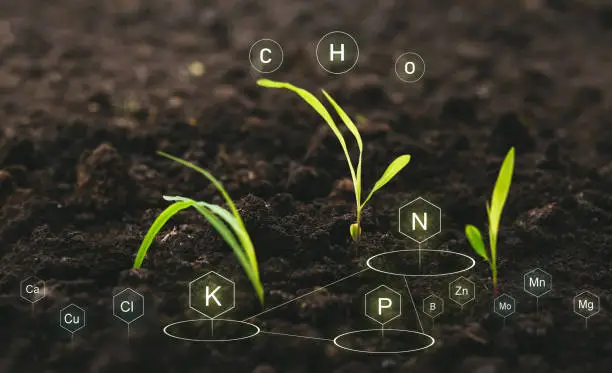
Bio-Based Feedstock Independence Could Eventually Reshape Agrochemical Intermediate Sourcing
Bio-Based Feedstock Independence Could Eventually Reshape Agrochemical Intermediate Sourcing
Introduction
The chemical industry's growing interest in bio-based feedstocks could eventually influence how agrochemical manufacturers source key intermediates. While conventional petrochemical routes remain dominant, renewable feedstocks—including bio-naphtha, agricultural residues, sugars, vegetable oils, and other biomass-derived materials—are creating alternative pathways for chemical production.
The potential significance for agrochemicals lies further upstream. If bio-based feedstocks become sufficiently competitive and reliable, manufacturers could increasingly source selected intermediates from renewable-carbon routes rather than depending entirely on fossil-based raw materials. Malaysia's Chemical Industry Roadmap 2030, for example, explicitly includes bio-based feedstocks alongside organic intermediates and agrochemicals within the chemical value chain.
Why Feedstock Independence Matters
Agrochemical manufacturing depends on a wide network of chemical intermediates used to produce herbicides, fungicides, insecticides, and other crop protection products. Many of these intermediates ultimately originate from fossil-based raw materials.
This creates exposure to fluctuations in crude oil, natural gas, naphtha, energy costs, transportation, and geopolitical disruptions.
Bio-based sourcing could provide manufacturers with an additional feedstock pathway. Instead of relying exclusively on conventional petrochemical inputs, producers could potentially diversify their raw-material portfolio through renewable sources.
This would not mean an immediate replacement of petrochemical chemistry. Rather, it could create a more diversified sourcing model in which fossil and bio-based feedstocks coexist.
From Biomass to Chemical Intermediates
Biomass can enter chemical production through several routes. Renewable resources such as vegetable oils, organic waste, sugars, and agricultural residues can be processed through chemical, catalytic, thermochemical, or biological technologies.
Fermentation is another potential pathway. Industrial biotechnology can convert sugars derived from plant materials into organic acids, alcohols, and other chemical building blocks that can subsequently be used in downstream manufacturing.
This creates an opportunity to establish alternative production routes for selected intermediates without necessarily rebuilding the entire downstream chemical value chain.
Early Examples in Agrochemical Supply Chains
The connection between bio-based chemistry and agrochemical intermediates is already visible in parts of the market.
Jubilant Ingrevia, for example, describes a bio-based route for producing acetaldehyde and formaldehyde as starting materials for its pyridine and picoline chemistry. The company supplies these downstream intermediates to major agrochemical companies and states that its bio-based platform supports supply security and reduced embedded emissions.
This type of integration demonstrates how renewable feedstocks can potentially move beyond fuels and materials into established chemical-intermediate supply chains.
Potential Impact on Agrochemical Procurement
Greater availability of bio-based intermediates could change procurement strategies in several ways.
First, manufacturers could gain additional supplier and feedstock options. A company dependent on a particular petrochemical route could potentially evaluate bio-based alternatives as a secondary or complementary source.
Second, procurement teams may increasingly evaluate suppliers according to more than price and technical specifications. Feedstock origin, carbon intensity, certification, traceability, and supply security could become increasingly important purchasing criteria.
Third, manufacturers could develop longer-term supply agreements with producers of renewable intermediates to secure access to feedstocks as demand grows.
Cost Remains the Main Constraint
Despite the potential advantages, economics remain a major obstacle.
Bio-based feedstocks are not automatically cheaper than fossil alternatives. Recent analysis indicates that bio-based versions of several major chemical feedstocks can still carry significant premiums over fossil-derived equivalents, although the cost gap varies substantially by feedstock and technology.
For agrochemical manufacturers operating in highly competitive markets, an alternative feedstock must therefore demonstrate more than environmental benefits. It needs to provide acceptable economics, consistent quality, sufficient volumes, and reliable delivery.
This is particularly important for commodity-scale intermediates, where even relatively small cost differences can affect manufacturing competitiveness.
Supply Security Could Become a Major Advantage
The strongest argument for bio-based sourcing may ultimately be diversification rather than simple cost reduction.
Petrochemical supply chains can be exposed to refinery outages, geopolitical events, shipping disruptions, energy-price volatility, and changes in regional production capacity.
A diversified feedstock portfolio could reduce dependence on a single raw-material pathway. BASF's biomass-balance approach, for example, uses renewable resources such as bio-naphtha and biomethane at early stages of chemical production and allocates the renewable feedstock through certified supply-chain systems.
For agrochemical producers, similar models could eventually provide additional flexibility in sourcing selected intermediates.
Agricultural Biomass Could Become Part of the Equation
Agricultural residues could also become increasingly relevant if technologies for converting biomass into chemical building blocks continue to improve.
Crop residues, forestry waste, and other biomass streams can potentially provide renewable carbon for chemical production. However, these materials are often geographically dispersed and can require collection, preprocessing, storage, and transportation before they are suitable for industrial conversion.
The economics therefore depend heavily on local biomass availability and the proximity of conversion facilities to feedstock sources.
In addition, biomass sourcing must account for sustainability and competition with other uses. Current industry thinking emphasizes responsible agricultural practices, biodiversity protection, lifecycle assessment, and avoiding harmful competition with food and feed applications.
Implications for Chemical Suppliers
If bio-based routes continue to mature, suppliers of conventional agrochemical intermediates may face a gradual change in competitive dynamics.
Companies with access to renewable feedstocks could differentiate themselves through:
Lower fossil-feedstock exposure
Certified renewable content
Alternative sourcing pathways
Potentially lower product carbon footprints
Greater supply-chain diversification
Long-term renewable-feedstock contracts
At the same time, conventional producers may continue to benefit from established infrastructure, economies of scale, and highly optimized manufacturing processes.
The result is likely to be a hybrid market, rather than an immediate transition away from petrochemical intermediates.
What Agrochemical Buyers Should Watch
For procurement teams, several indicators will help determine whether bio-based intermediates are moving from niche applications toward mainstream sourcing:
Cost parity with conventional intermediates
Availability of commercial-scale production
Feedstock supply reliability
Certification and traceability standards
Carbon-footprint requirements from customers
Regulatory incentives for renewable materials
Technology improvements in biomass conversion
Long-term supply agreements between chemical producers and renewable-feedstock suppliers
These factors will determine whether bio-based sourcing becomes commercially attractive rather than remaining primarily a sustainability initiative.
Outlook
Bio-based feedstock independence is unlikely to transform agrochemical intermediate sourcing overnight. Petrochemical chemistry remains deeply integrated into global chemical infrastructure, while renewable alternatives still face challenges related to cost, scale, logistics, and consistency.
However, the direction of travel is becoming clearer. Chemical producers are increasingly evaluating renewable carbon as another source of industrial feedstock, and some bio-based routes are already reaching established intermediate markets.
As technologies mature and renewable feedstock supply expands, agrochemical manufacturers could gradually move toward more diversified sourcing portfolios.
Conclusion
The rise of bio-based feedstocks could eventually reshape the sourcing strategy for agrochemical intermediates by introducing alternatives to conventional fossil-derived raw materials.
The most important change may not be the complete replacement of petrochemical chemistry, but the emergence of multiple competing feedstock pathways. Companies able to combine cost competitiveness, reliable supply, technical performance, and credible sustainability credentials could gain an advantage.
For agrochemical procurement teams, the strategic question is therefore shifting from whether bio-based feedstocks will matter to which intermediates, technologies, and supply chains will become commercially competitive first.

Alum
Found this useful?