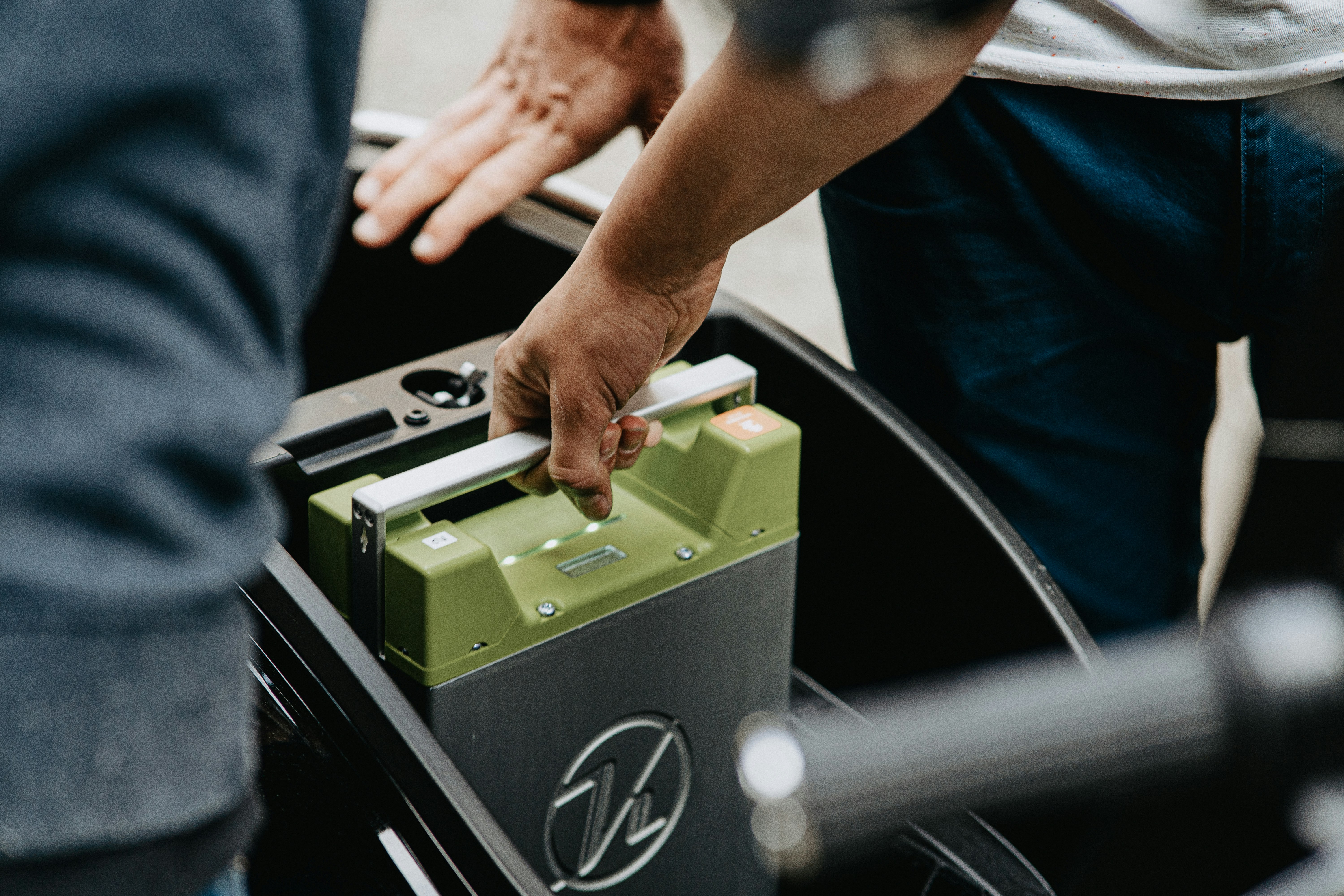
Keele University Trials a UK-Made Zinc Battery for Renewable Storage

Keele University Trials a UK-Made Zinc Battery for Renewable Storage
Keele University is partnering with UK battery technology company Offgrid Energy Labs to trial a new zinc-based long-duration energy storage battery, marking what the university describes as the UK’s first zinc-LDES project using a battery manufactured entirely in the country. The pilot will test the technology’s ability to store surplus renewable electricity generated on the Keele campus.
UK-Made Zinc Battery to Be Tested at Keele
Under a newly signed Memorandum of Understanding, Keele University and Offgrid Energy Labs plan to deploy a pilot ZincGel® long-duration energy storage (LDES) system on the university’s campus.
The pilot is designed to assess how the battery performs under real operating conditions. According to Keele, the system is expected to capture and store approximately 1 MWh of surplus renewable energy each month.
Researchers will evaluate several aspects of the battery, including its safety, depth of discharge and round-trip performance. The results will help determine whether the technology can be scaled up for a larger multi-MWh deployment at the university.
Why Long-Duration Energy Storage Matters
As wind and solar generation increases, electricity systems need ways to store energy when renewable generation exceeds immediate demand.
Without sufficient storage, some renewable electricity can be curtailed, meaning available generation is reduced because the electricity cannot be used or stored at that time.
Long-duration energy storage technologies are designed to address this challenge by storing electricity for extended periods and releasing it when demand increases or renewable generation falls.
For Keele, the proposed zinc battery could provide another way to manage excess renewable electricity generated by its campus energy system.
Keele's Renewable Energy Infrastructure
The trial will take place alongside Keele University’s existing Low Carbon Energy Generation Park, which includes two wind turbines and 12,500 solar panels.
The university says the park can generate up to 50% of the campus's electricity requirements from renewable sources and saves approximately 1,500 tonnes of carbon emissions annually. The site is also used as a living laboratory for testing emerging energy technologies.
Adding the ZincGel system could allow more of the renewable electricity generated on campus to be stored rather than curtailed.
How the ZincGel Battery Works
The ZincGel technology is based on zinc-bromine chemistry rather than lithium-ion chemistry. Offgrid Energy Labs says its system does not require lithium, cobalt, nickel or rare-earth materials.
The company describes ZincGel as a long-duration storage technology designed for discharge durations of approximately six to 16 hours. The batteries are manufactured in the UK at Offgrid Energy Labs' facility in Hook, Hampshire.
Using more widely available materials could potentially provide an alternative to battery technologies that depend on critical mineral supply chains.
Testing Performance Under Real Conditions
The Keele pilot will provide an opportunity to evaluate the technology outside a laboratory environment.
Among the key areas being assessed are battery safety, depth of discharge and round-trip efficiency. The project will also provide information about how the battery performs alongside variable renewable generation.
This real-world data will be important in determining whether the system can be expanded to a larger installation capable of storing more of the university's excess renewable generation.
Reducing Dependence on Critical Minerals
One of the key features of zinc-based storage is its different material composition compared with conventional lithium-based batteries.
Offgrid Energy Labs says its ZincGel technology avoids lithium, cobalt and nickel. The company believes this could help reduce exposure to some battery supply-chain risks while supporting domestic manufacturing of long-duration energy storage systems.
The Keele project will provide an opportunity to assess these claims through practical deployment and operational data.
Potential for a Larger Energy Storage Project
The initial pilot is intended to serve as a foundation for a possible larger project.
According to Keele University, the findings will provide technical evidence for developing a proposal for a multi-MWh ZincGel deployment on campus. A larger system could be designed to absorb excess renewable electricity that might otherwise be curtailed.
Such an expansion would allow Keele to test the technology at a larger scale while continuing its role as a demonstration site for low-carbon energy technologies.
Supporting UK Battery Manufacturing
The project also has a wider industrial dimension. Offgrid Energy Labs is using the Keele partnership to demonstrate the potential for UK-manufactured long-duration batteries.
The company has said that domestic manufacturing could help strengthen the UK's energy-storage supply chain and reduce dependence on imported battery technologies and critical minerals.
The pilot will therefore provide information not only about battery performance but also about the practical use of UK-produced energy storage technology.
Looking Ahead
The Keele trial represents an early-stage test of zinc-based long-duration storage in a real renewable-energy environment. Its results will help determine how effectively ZincGel technology can store surplus renewable electricity and deliver it back when needed.
If the pilot meets its technical objectives, the findings could support plans for a larger multi-MWh installation at Keele and provide further evidence for the use of zinc-based batteries in renewable energy systems.
Conclusion
Keele University’s partnership with Offgrid Energy Labs marks an important trial of UK-made zinc-based long-duration energy storage technology. The pilot ZincGel battery is expected to store around 1 MWh of surplus renewable energy each month while researchers assess its safety, discharge performance and efficiency.
The project combines renewable generation, energy storage and domestic battery manufacturing in a single demonstration. Its results could help shape future plans for larger-scale energy storage at Keele and contribute to the development of alternative battery technologies for renewable electricity systems.

Found this useful?