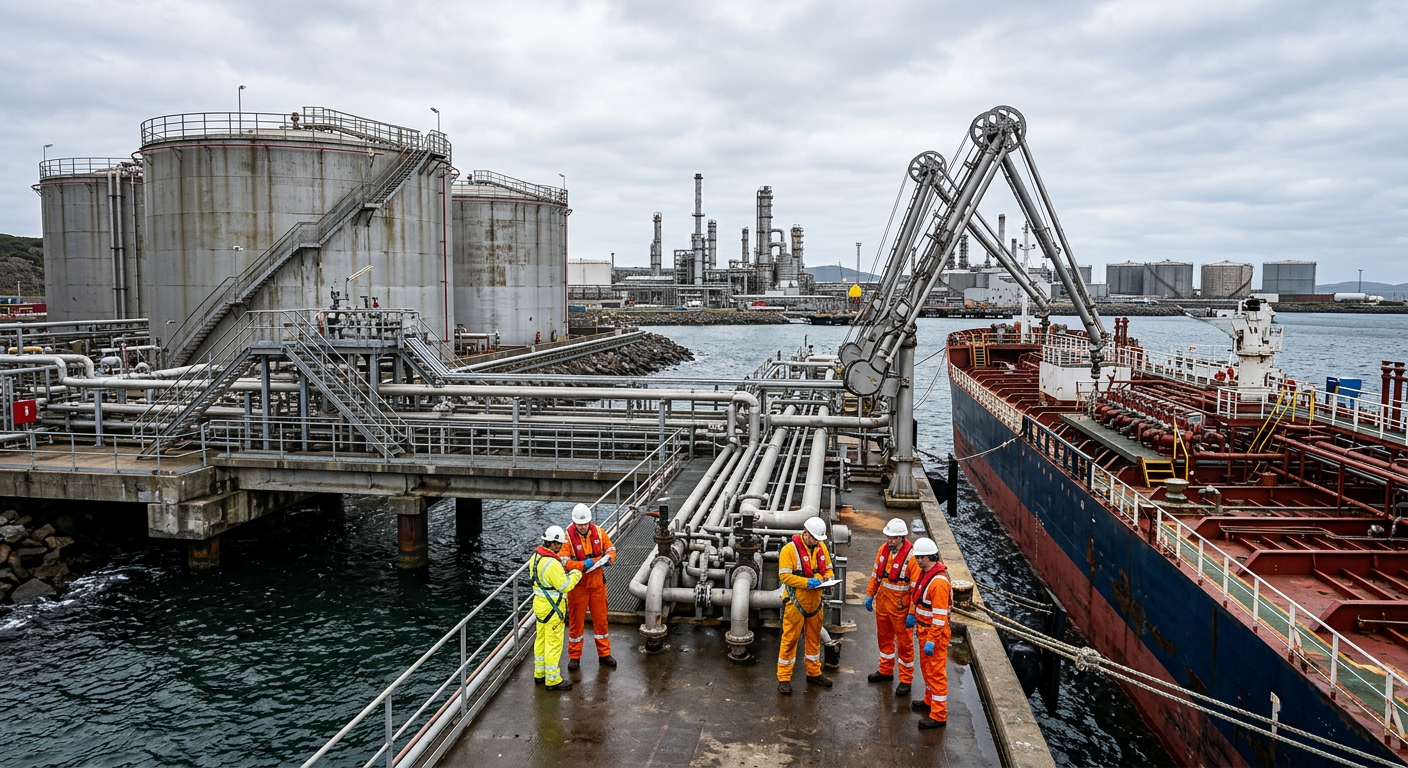
The disruption around the Strait of Hormuz has prompted chemical buyers to reassess more than logistics. With roughly one-third of global seaborne methanol trade passing through this critical shipping route, the crisis exposed how concentrated fossil-based feedstock supply chains remain. Even companies that previously viewed renewable feedstocks primarily as sustainability initiatives are now considering them as part of broader supply risk management.
For procurement managers, importers and chemical traders, the discussion has shifted. Sustainability teams are no longer evaluating bio-based feedstocks solely for emissions reductions. They are increasingly being asked whether renewable sourcing can improve supply resilience, diversify procurement options and reduce exposure to geopolitical disruptions.
Why Hormuz Became a Supply Chain Wake-Up Call
The Strait of Hormuz has long been one of the world's most important energy and chemical shipping corridors.
When disruptions occur, the impact extends beyond crude oil markets. Methanol, petrochemical feedstocks and numerous downstream products can experience shipment delays, freight cost increases and supply uncertainty.
For buyers, the event highlighted several vulnerabilities:
Heavy reliance on a limited number of export routes.
Geographic concentration of fossil-based production.
Exposure to shipping disruptions and higher insurance costs.
Increased freight volatility during geopolitical events.
Longer delivery times for internationally sourced chemicals.
These risks have encouraged procurement teams to evaluate sourcing strategies with greater emphasis on resilience.
Why Bio-Based Feedstocks Are Receiving More Attention
Before the recent supply chain disruptions, many organizations justified bio-based feedstocks primarily through carbon reduction targets.
Today, supply security has become an equally important consideration.
Bio-based feedstocks can often be sourced from a broader range of regional agricultural residues, forestry by-products, municipal waste streams and other renewable resources. While availability differs by market, these supply chains are generally less dependent on a single international shipping corridor.
This diversification has become increasingly attractive for buyers seeking greater operational flexibility.
Sustainability and Supply Security Are Becoming Linked
The Hormuz disruption demonstrated that environmental strategy and procurement strategy increasingly overlap.
Renewable feedstocks may help companies reduce greenhouse gas emissions while also lowering dependence on concentrated fossil supply networks. Although they are not immune to logistical challenges, they can reduce exposure to specific geopolitical risks associated with traditional feedstock routes.
This dual benefit is changing conversations between procurement, sustainability and executive leadership teams.
What Buyers Should Evaluate Before Changing Feedstocks
Moving toward bio-based sourcing requires more than comparing environmental credentials.
Procurement professionals should assess several commercial and operational factors before introducing renewable alternatives.
Important considerations include:
Availability of consistent feedstock volumes.
Long-term supplier reliability.
Product quality and technical compatibility.
Certification and traceability requirements.
Regional production capacity.
Total delivered cost rather than purchase price alone.
A balanced evaluation helps ensure that sustainability goals align with operational requirements.
Regional Sourcing Is Becoming More Attractive
One lesson from the Hormuz disruption is the value of geographic diversification.
Many procurement teams are expanding supplier networks to include regional producers where commercially viable. Shorter transportation routes may reduce delivery uncertainty while improving visibility across the supply chain.
This approach does not eliminate global sourcing but creates greater flexibility during periods of market disruption.
Cost Still Shapes Procurement Decisions
Despite growing interest, bio-based feedstocks must remain commercially competitive.
Renewable alternatives often involve higher production costs, certification requirements or limited production capacity compared with conventional fossil-derived feedstocks. Buyers therefore need to balance resilience benefits against pricing, availability and customer demand.
Organizations with strong sustainability commitments or customers seeking lower-carbon products may place greater value on these benefits than companies focused primarily on minimizing procurement costs.
Supplier Transparency Is Becoming More Important
As buyers evaluate renewable feedstocks, supplier transparency has become a competitive advantage.
Companies increasingly expect suppliers to provide information on feedstock origin, sustainability certifications, production methods and supply chain traceability. These disclosures help procurement teams verify environmental claims while assessing long-term sourcing reliability.
Suppliers that combine transparent reporting with dependable production capacity are likely to strengthen their position in the evolving renewable chemicals market.
What Procurement Teams Should Do Next
The Hormuz disruption demonstrated that supply chain resilience can no longer be separated from sourcing strategy.
Bio-based feedstocks are attracting greater attention not only because they support decarbonization but also because they offer opportunities to diversify supply and reduce dependence on concentrated fossil trade routes. While renewable alternatives will not replace conventional feedstocks overnight, they are becoming an increasingly important part of long-term procurement planning.
For buyers, the most effective strategy is to evaluate renewable sourcing through both a commercial and strategic lens. Supplier diversity, regional production options, cost competitiveness and sustainability performance should all form part of future procurement decisions rather than being considered independently.
Ready to source methanol from verified global suppliers? Explore competitive offers on our platform today.