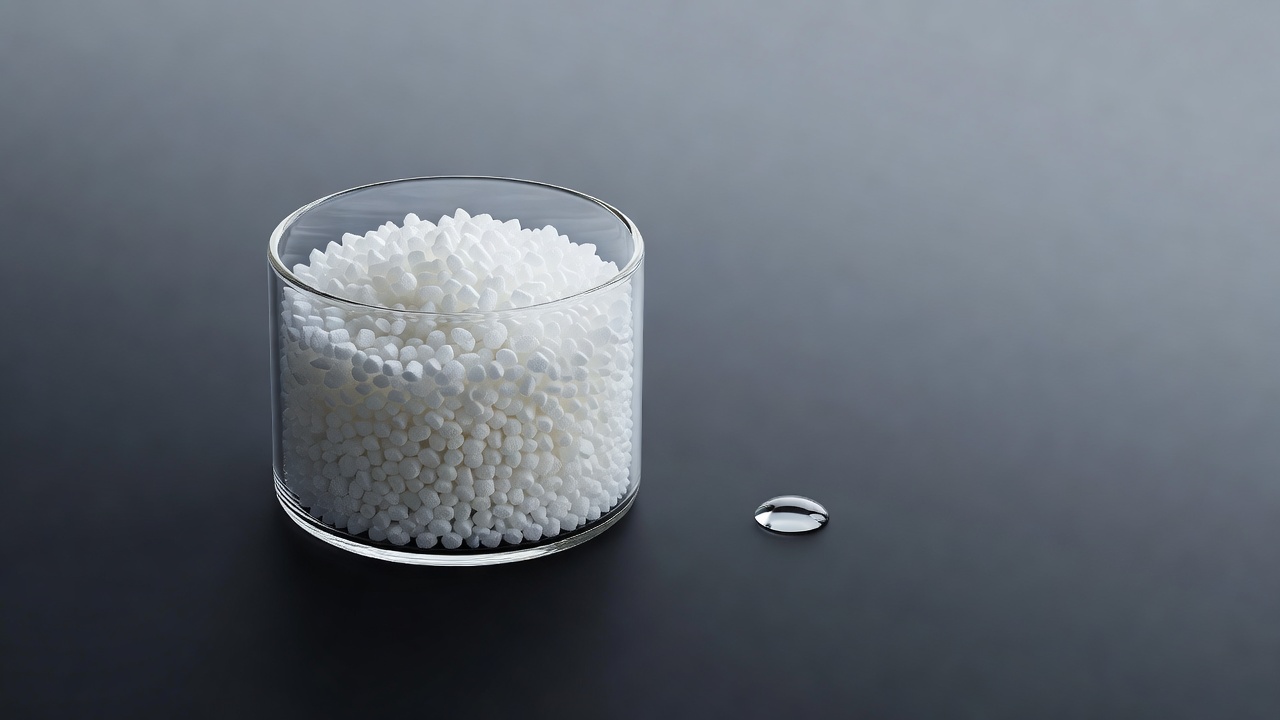
For years, bio-based superabsorbent polymers remained a promising innovation that struggled to demonstrate commercial manufacturing performance. That perception is beginning to change. ZymoChem's bio-based BAYSE material has successfully passed industrial diaper manufacturing line testing across four absorbent core designs while surpassing targeted fluid capacity performance. The achievement represents an important milestone for renewable materials in one of the world's largest hygiene markets.
For procurement professionals, the significance extends well beyond a single product announcement. It suggests that bio-based superabsorbent polymers are progressing from laboratory innovation toward commercial manufacturing. As performance validation continues improving, hygiene product manufacturers may soon have practical renewable alternatives capable of meeting demanding production requirements without sacrificing product quality.
Why Superabsorbent Polymers Matter
Superabsorbent polymers, commonly known as SAPs, play a critical role in modern hygiene products.
They provide the high liquid absorption and retention performance required in baby diapers, adult incontinence products and feminine hygiene applications. Conventional SAPs have traditionally relied on fossil based raw materials because manufacturers demanded consistent quality, reliable performance and large scale supply.
Replacing these materials has proven difficult because absorbent performance directly influences product effectiveness.
Any renewable alternative must therefore satisfy both manufacturing requirements and end user expectations.
Industrial Validation Changes the Conversation
One of the biggest challenges facing renewable materials has been proving they can perform reliably on commercial manufacturing equipment.
Laboratory testing alone rarely convinces procurement teams responsible for supplying high volume production facilities.
Industrial manufacturing validation provides much stronger evidence.
By successfully operating across four different diaper absorbent core designs, BAYSE demonstrates compatibility with existing production environments while exceeding targeted fluid capacity goals.
This shifts the discussion from whether renewable SAP technology can function to how quickly commercial adoption may expand.
Sustainability continues influencing purchasing decisions across the hygiene industry, but performance remains the primary requirement.
Consumers expect diapers and hygiene products to deliver consistent absorption, comfort and reliability regardless of the raw materials used during manufacturing.
Successful renewable SAP development therefore depends on balancing multiple objectives.
Manufacturers require:
High liquid absorption capacity.
Reliable processing on existing production lines.
Consistent product quality across commercial manufacturing volumes.
Stable long term supply from qualified producers.
Meeting all of these requirements significantly improves the commercial outlook for renewable absorbent materials.
What This Means for Hygiene Product Manufacturers
Industrial validation reduces one of the largest barriers to renewable material adoption.
Instead of questioning whether bio-based SAPs can function within existing production systems, manufacturers can begin evaluating broader commercial considerations.
These include:
Long term production capacity from renewable material suppliers.
Supply chain reliability for large volume manufacturing.
Commercial pricing compared with conventional SAP products.
Sustainability benefits supporting corporate environmental targets.
Compatibility with existing product specifications.
As additional production capacity becomes available, procurement teams may find more opportunities to integrate renewable absorbent materials into future sourcing strategies.
Challenges Still Remain Before Widespread Adoption
Although industrial validation represents a significant achievement, several commercial factors will continue influencing adoption rates.
Large scale production capacity remains one of the most important considerations. Hygiene manufacturers require enormous volumes of SAP materials, making consistent commercial supply essential before renewable alternatives can achieve meaningful market penetration.
Pricing will also remain an important factor.
Renewable materials often carry higher production costs during the early stages of commercialization. Continued manufacturing expansion and process improvements will be necessary to improve cost competitiveness over time.
Procurement professionals should therefore monitor both technical progress and commercial production developments.
How Procurement Teams Should Prepare
The successful validation of bio-based SAPs suggests that procurement strategies should begin evolving now rather than waiting for full market maturity.
Chemical buyers and hygiene manufacturers should assess which suppliers are investing in renewable absorbent technologies while monitoring commercial production timelines.
A practical procurement review should include:
Evaluating supplier plans for commercial manufacturing expansion.
Monitoring future pricing trends as production capacity increases.
Confirming product performance through industrial validation data.
Reviewing sustainability certifications supporting renewable material claims.
Establishing early relationships with qualified renewable material suppliers.
These steps help organizations prepare for a market that is steadily transitioning toward renewable absorbent materials.
The Future of Bio-Based Superabsorbent Polymers
The successful industrial testing of BAYSE represents more than a technical achievement. It signals that renewable absorbent materials are entering a new stage of commercial development.
As manufacturing capacity expands and additional validation projects succeed, bio-based SAPs may gradually become viable sourcing options for hygiene manufacturers seeking lower carbon products without compromising performance.
For procurement professionals, the question is increasingly shifting from whether renewable superabsorbent polymers can satisfy commercial requirements to when sufficient production volumes will support widespread market adoption. Companies that begin evaluating suppliers today will be better prepared as this next generation of renewable materials enters mainstream manufacturing.
Ready to source bio-based superabsorbent polymers from verified global suppliers? Explore competitive offers on our platform today.