Biodegradable Polymer Applications From Methane Bioconversion Could Touch Agricultural Mulch Films
Biodegradable Polymer Applications From Methane Bioconversion Could Touch Agricultural Mulch Films
Introduction
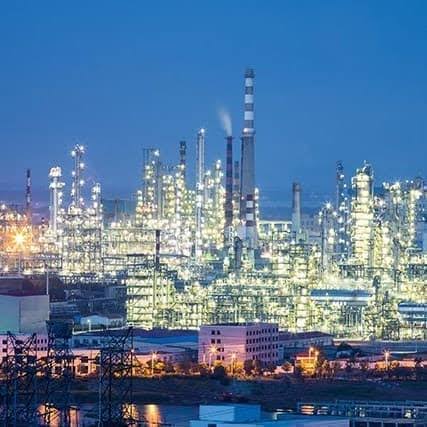
The conversion of waste methane into biodegradable polymers is emerging as a potential route for turning a greenhouse-gas-intensive waste stream into higher-value materials. One example is the production of polyhydroxyalkanoates (PHAs), a family of biodegradable polyesters produced naturally by microorganisms.
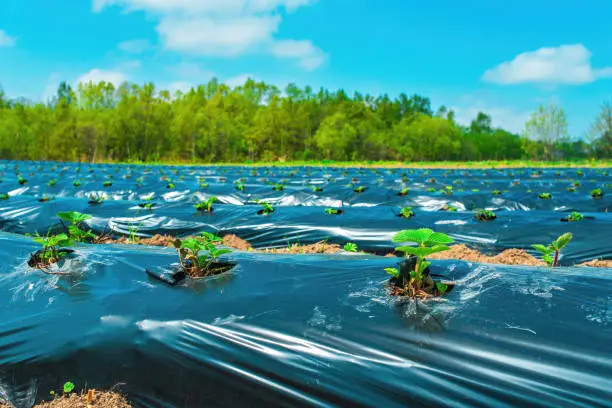
The potential application is particularly relevant to agriculture, where conventional polyethylene (PE) mulch films are widely used to suppress weeds, conserve soil moisture and regulate soil temperature but can create collection and disposal challenges after the growing season. Research into biodegradable mulch films has therefore created a possible downstream market for PHA and other biodegradable polymers.
For methane-to-PHA producers, agricultural mulch films could eventually represent an application pathway beyond packaging and general-purpose bioplastics.
From Waste Methane to PHA
The basic concept is relatively straightforward: methane-utilizing microorganisms consume methane as a carbon source and accumulate PHA inside their cells. The polymer can then be recovered and processed into plastic materials.
Mango Materials' research and news updates
Companies such as Mango Materials are developing technologies to convert waste methane, including methane associated with wastewater treatment and biogas, into PHA at commercial scale. The approach creates a potential connection between waste-management infrastructure and the bioplastics industry.
This is important from a circular-economy perspective. Instead of treating methane only as a waste gas that must be flared, captured or converted into energy, it can potentially become a feedstock for manufacturing.
The resulting PHA could then enter several markets, including films, molded products, fibers and potentially agricultural plastics.
Why Agricultural Mulch Films Are Relevant
Agricultural mulch films are used to create a physical barrier over soil. They can reduce weed competition, limit evaporation, influence soil temperature and support crop productivity.
Traditional PE films offer attractive mechanical and processing properties, but their persistence creates a significant end-of-life challenge. Biodegradable mulch films are designed to perform similar functions while breaking down under appropriate environmental conditions, reducing the need for farmers to remove and dispose of used film.
PHA is particularly interesting because it is a biodegradable microbial polymer. Research has already examined PHA-based mulch-film structures, including PHA/PCL multilayer films, while a 2026 review identifies PHAs as a promising family of biodegradable polymers for agricultural applications such as mulch films, seedling trays and growth foams.
This creates a potential value chain:
Waste methane → methane-utilizing microorganisms → PHA → polymer processing → agricultural mulch film → soil biodegradation
If commercially competitive, such a chain could connect methane-abatement projects directly with agricultural-material markets.
Performance Requirements Will Be Critical
The opportunity should not be interpreted as meaning that methane-derived PHA can immediately replace conventional mulch films.
Agricultural films have demanding performance requirements. A mulch film must survive handling and installation, resist tearing, provide appropriate moisture and gas-barrier properties, and maintain sufficient integrity throughout the crop cycle.
At the same time, the material must eventually biodegrade under the relevant soil conditions.
This creates a difficult balance between durability during cultivation and biodegradability after use.
The rate of degradation can also vary substantially depending on soil microorganisms, temperature, moisture and polymer structure. Research has shown that biodegradation of mulch films is influenced by microbial composition and environmental conditions rather than occurring at a single predictable rate across all agricultural soils.
For farmers, therefore, the important question is not simply whether a film is labelled biodegradable. The material needs to provide a predictable agronomic service life followed by reliable degradation.
Formulation Could Become the Key Development Area
Pure PHA may not necessarily provide the complete performance profile required for every agricultural application.
Film producers could instead use blends, multilayer structures, plasticizers, fillers or other biodegradable polymers to adjust flexibility, strength, barrier properties and degradation behavior. Research has already investigated PHA-containing multilayer mulch films and other biodegradable polymer combinations.
This means the emerging opportunity may extend beyond PHA resin production itself.
Potential suppliers could include:
Methane-to-PHA producers
PHA resin manufacturers
Polymer compounders
Film extrusion companies
Agricultural film manufacturers
Biodegradation-testing laboratories
Soil and environmental testing providers
Biodegradable additive and formulation suppliers
The eventual agricultural product may therefore depend on collaboration between biotechnology companies and conventional plastics-processing businesses.
Procurement Implications for Agricultural Buyers
If methane-derived PHA becomes commercially available for agricultural films, procurement teams will need to evaluate considerably more than polymer price.
Important criteria could include:
Polymer grade and composition
Methane-derived carbon content
Film thickness
Tensile and tear strength
UV resistance
Water and vapor barrier performance
Crop-cycle durability
Soil biodegradation rate
Residual material after degradation
Transformation products
Compostability or soil-biodegradation certifications
Processing temperature and extrusion requirements
Minimum order quantities
Production capacity
Geographic availability
Delivered cost
The distinction between bio-based and biodegradable will also remain important. A polymer can be bio-derived without necessarily being biodegradable, while biodegradability claims must be evaluated against specific environmental conditions and testing standards.
The Sustainability Case Needs Full Lifecycle Evaluation
Methane-based polymer production has an attractive conceptual advantage because it can use methane that would otherwise contribute to greenhouse-gas emissions.
However, the overall environmental benefit depends on the complete production system.
Energy consumption, methane capture efficiency, fermentation inputs, polymer recovery, transportation, film manufacturing and end-of-life behavior all influence the lifecycle footprint.
Agricultural biodegradation also requires careful assessment. A biodegradable film should not simply disappear from visual observation; researchers need to understand degradation pathways, microbial activity and potential effects on soil ecosystems. Reviews of biodegradable mulch films have highlighted uncertainties surrounding long-term soil impacts and degradation behavior.
Therefore, future commercial claims will increasingly need to be supported by field testing rather than laboratory biodegradation results alone.
Implications for Chemical and Agricultural Marketplaces
The development of methane-derived PHA could create a new category for chemical and materials marketplaces.
A marketplace could connect:
Methane/biogas suppliers → PHA producers → polymer compounders → film manufacturers → agricultural distributors → growers
Market intelligence could track:
Methane and biogas feedstock availability
PHA production capacity
Polymer grades
Film manufacturers
Agricultural applications
Technical specifications
Prices
MOQ
Production locations
Lead times
Certifications
Biodegradation performance
Alternative biodegradable polymers
This could allow buyers to compare methane-derived PHA against PLA, PBAT, starch-based polymers and other biodegradable materials based on both technical performance and total delivered cost.
For agricultural buyers, such visibility could become increasingly valuable as sustainability requirements and restrictions on persistent agricultural plastics expand.
Outlook
The most important opportunity may not be methane-derived PHA replacing all conventional agricultural plastics immediately. Instead, the technology could initially enter targeted applications where biodegradability and carbon sourcing provide sufficient value to justify a premium.
Mulch films are particularly interesting because their end-of-life problem occurs directly in agricultural soil, making biodegradable materials strategically relevant.
The 2026 research landscape suggests that PHAs have potential across several agricultural-plastic applications, but commercial adoption will depend on mechanical performance, processing economics, reliable biodegradation and field validation.
If methane-to-PHA production reaches larger commercial volumes, agricultural films could become one of several markets capable of absorbing the additional polymer supply.
Conclusion
Methane bioconversion could eventually create an unusual connection between waste management, biotechnology, polymer manufacturing and agriculture.
Converting waste methane into PHA provides a pathway from a problematic gas stream to a biodegradable material. Agricultural mulch films offer a logical downstream application because they already have a clear need for alternatives to persistent PE films.
The commercial opportunity, however, will depend on more than producing biodegradable polymer. The material must meet agricultural performance requirements, degrade predictably under real soil conditions and demonstrate a credible lifecycle advantage.
For chemical and agricultural procurement markets, the emerging opportunity is therefore worth monitoring as a new feedstock-to-material value chain: waste methane could become a carbon source for biodegradable polymers, while those polymers could ultimately find their way into agricultural products such as mulch films.
Acesulfame Potassium (E950)
Found this useful?