Biogas to Biomethane: Scaling Circular Waste Feedstock Infrastructure Across Europe
Europe's biomethane sector continues to shift from traditional agricultural feedstocks toward circular waste resources. The planned transition of the Ožďany biomethane unit to waste feedstock reflects a broader market direction that aims to improve resource efficiency while strengthening regional energy security. For procurement professionals and energy buyers, this change signals more than a technology upgrade. It represents a new sourcing model that links waste management, renewable gas production and industrial decarbonization into a single value chain.
Why Biomethane Matters in the Circular Economy
Biomethane is a purified form of biogas that reaches natural gas quality after removing carbon dioxide, moisture and other impurities. Once upgraded, it can enter existing gas networks or serve industrial facilities, transportation fleets and power generation assets.
Unlike conventional fossil natural gas, biomethane originates from renewable biological materials. As producers increasingly rely on waste instead of dedicated energy crops, they improve land efficiency while reducing emissions associated with organic waste disposal.
The Shift Toward Waste Feedstock Infrastructure
The next phase of biomethane development focuses on converting unavoidable waste into valuable energy products. The planned evolution of the Ožďany facility demonstrates how operators intend to build infrastructure that supports long-term circular resource management.
Several waste streams continue to gain importance:
Food processing residues provide a consistent organic input while reducing disposal costs for manufacturers.
Agricultural by-products create additional revenue opportunities for farming communities without competing directly with food production.
Municipal organic waste supports urban waste reduction strategies while producing renewable gas for local distribution networks.
Industrial organic residues help manufacturers transform production waste into a commercially valuable energy resource.
This transition strengthens supply reliability because operators can diversify feedstock sources instead of depending on seasonal agricultural materials alone.
Infrastructure Investment Is Becoming the Competitive Advantage
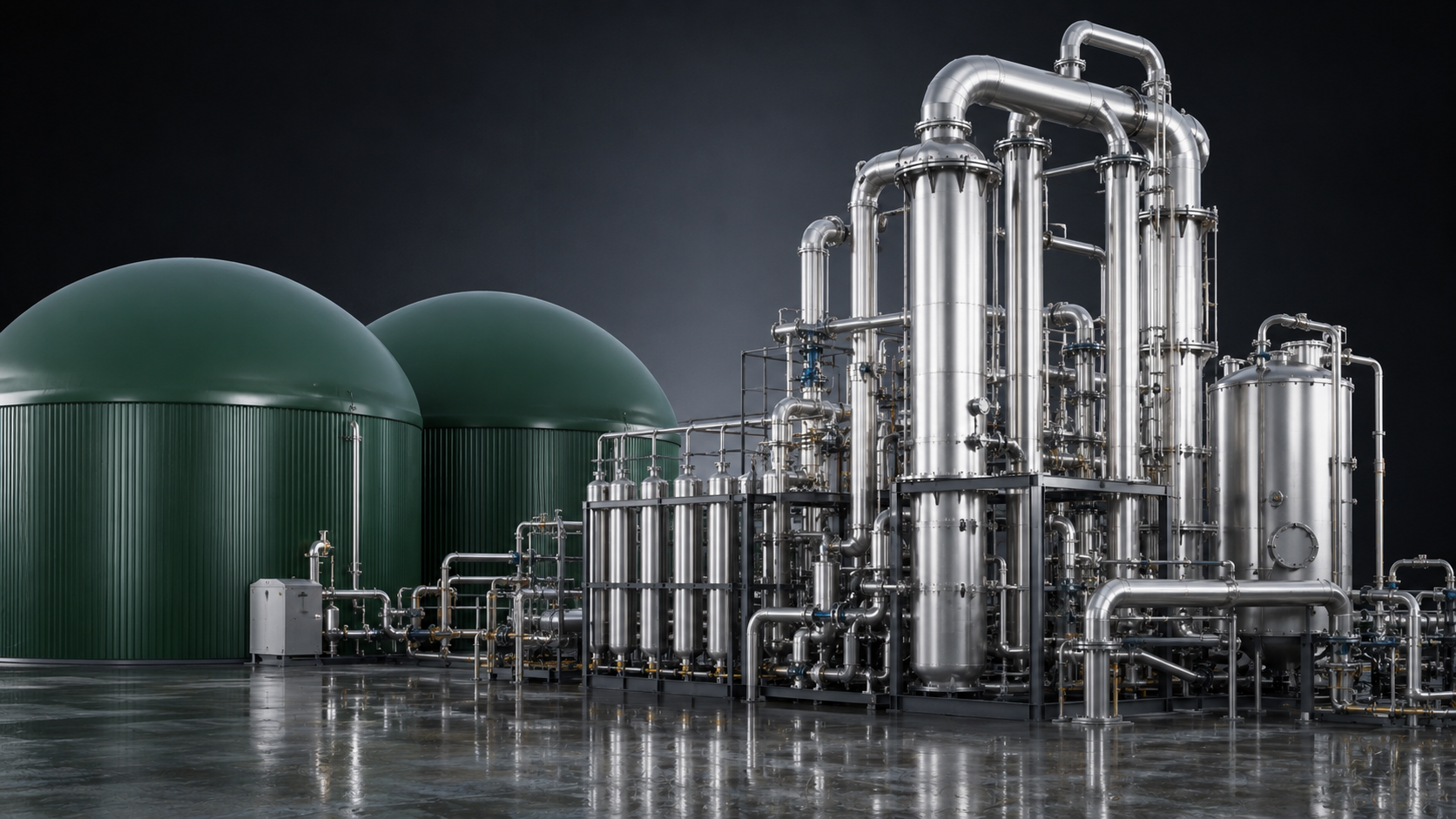
Producing biomethane requires far more than a digestion facility. Developers must build integrated systems that connect feedstock collection, pretreatment, anaerobic digestion, gas upgrading and final distribution.
Modern infrastructure investments often include:
Advanced feedstock sorting systems that improve digestion efficiency and minimize contamination.
High-performance gas upgrading equipment capable of delivering pipeline-quality biomethane.
Digital monitoring systems that optimize gas production and equipment performance in real time.
Storage and transport facilities that maintain supply continuity despite fluctuations in waste collection schedules.
Companies investing early in these capabilities position themselves for growing renewable gas demand across industrial sectors.
European Market Momentum Supports Expansion
European policy continues to encourage renewable gas production as part of broader decarbonization goals. National governments and private investors increasingly support facilities capable of processing diverse waste streams rather than relying on limited agricultural feedstocks.
This trend creates several commercial advantages:
Greater resilience against feedstock shortages.
Improved waste management efficiency.
Reduced greenhouse gas emissions.
Better integration with existing gas infrastructure.
As more facilities adopt circular feedstock strategies, procurement teams can expect greater availability of renewable gas over the coming years.
Procurement Considerations for Industrial Buyers
Industrial buyers increasingly evaluate biomethane suppliers using broader criteria than price alone. Feedstock diversity, production reliability and infrastructure maturity now play significant roles in supplier selection.
Procurement teams should assess:
Feedstock sourcing strategy. Facilities using multiple waste streams often demonstrate stronger operational resilience.
Infrastructure quality. Modern upgrading systems typically deliver higher gas consistency and improved operational efficiency.
Long-term expansion plans. Producers investing in additional waste processing capacity may offer greater supply security.
Logistics capabilities. Efficient transportation and pipeline connectivity reduce delivery risks and improve contract performance.
These factors contribute to stable long-term purchasing relationships while supporting sustainability objectives.
Supply Chain Challenges Remain
Although market growth remains strong, biomethane producers continue to face operational challenges that buyers should understand.
Waste collection systems vary significantly between regions. Inconsistent sorting practices or limited collection infrastructure can affect feedstock availability and processing efficiency.
Transportation also presents an important consideration. Organic waste often requires rapid movement from collection points to processing facilities, making logistics networks essential for reliable production.
Regulatory requirements continue to evolve as governments refine renewable energy policies and waste management standards. Producers that maintain strong compliance systems generally adapt more efficiently to changing market conditions.
Sustainability Is Driving Investment Decisions
Circular waste feedstock infrastructure delivers benefits that extend beyond renewable energy production. Every tonne of organic waste redirected from disposal sites represents additional value created within the industrial ecosystem.
Businesses increasingly recognize several sustainability advantages:
Lower landfill volumes reduce methane emissions from unmanaged organic waste.
Renewable gas replaces fossil fuel consumption across multiple industries.
Valuable nutrients from digestion processes can return to agriculture through digestate utilization.
Local energy production improves regional resource efficiency.
These outcomes align with corporate environmental targets while supporting broader circular economy initiatives.
Market Outlook for Biomethane Infrastructure
The coming years will likely bring continued investment in integrated biomethane production facilities throughout Europe. Operators increasingly design projects with flexibility in mind, allowing future expansion as waste collection systems mature.
Technology improvements will further enhance processing efficiency, particularly in feedstock pretreatment, gas upgrading and digital plant management. These innovations should improve production economics while supporting larger commercial facilities.
Growing industrial demand for renewable gas also encourages long-term supply agreements between producers and manufacturing companies seeking lower carbon energy sources.
What Procurement Teams Should Do Next
Biomethane has evolved from a niche renewable fuel into an increasingly strategic industrial energy source. Facilities that integrate circular waste feedstock infrastructure offer stronger long-term resilience while supporting environmental performance goals.
Procurement professionals should monitor projects that emphasize diversified waste sourcing, advanced upgrading technology and scalable infrastructure. These characteristics often indicate suppliers prepared for future market growth and evolving customer requirements.
As Europe continues expanding its circular energy economy, buyers who understand these infrastructure trends will make more informed sourcing decisions and build stronger supply partnerships. Ready to source biomethane from verified global suppliers? Explore competitive offers on our platform today.
Liquid Ammonia
Found this useful?