Boric Acid: Uses in Glass, Ceramics and Manufacturing
Boric acid is an important boron-based chemical used in industries that require controlled melting behaviour, thermal stability and durable finished materials. With the chemical formula H₃BO₃, this white crystalline compound serves as a valuable raw material in glass manufacturing, ceramic production and several specialised industrial processes.
Its importance comes from its ability to provide boron oxide (B₂O₃) during manufacturing. This component influences the physical and chemical properties of glass and ceramic materials, helping producers achieve specific performance requirements.
For chemical traders, procurement managers and industrial buyers, boric acid offers opportunities across multiple manufacturing sectors. Understanding its applications, product specifications and sourcing requirements helps businesses select suitable grades and maintain consistent production quality.
What Is Boric Acid and How Is It Produced?
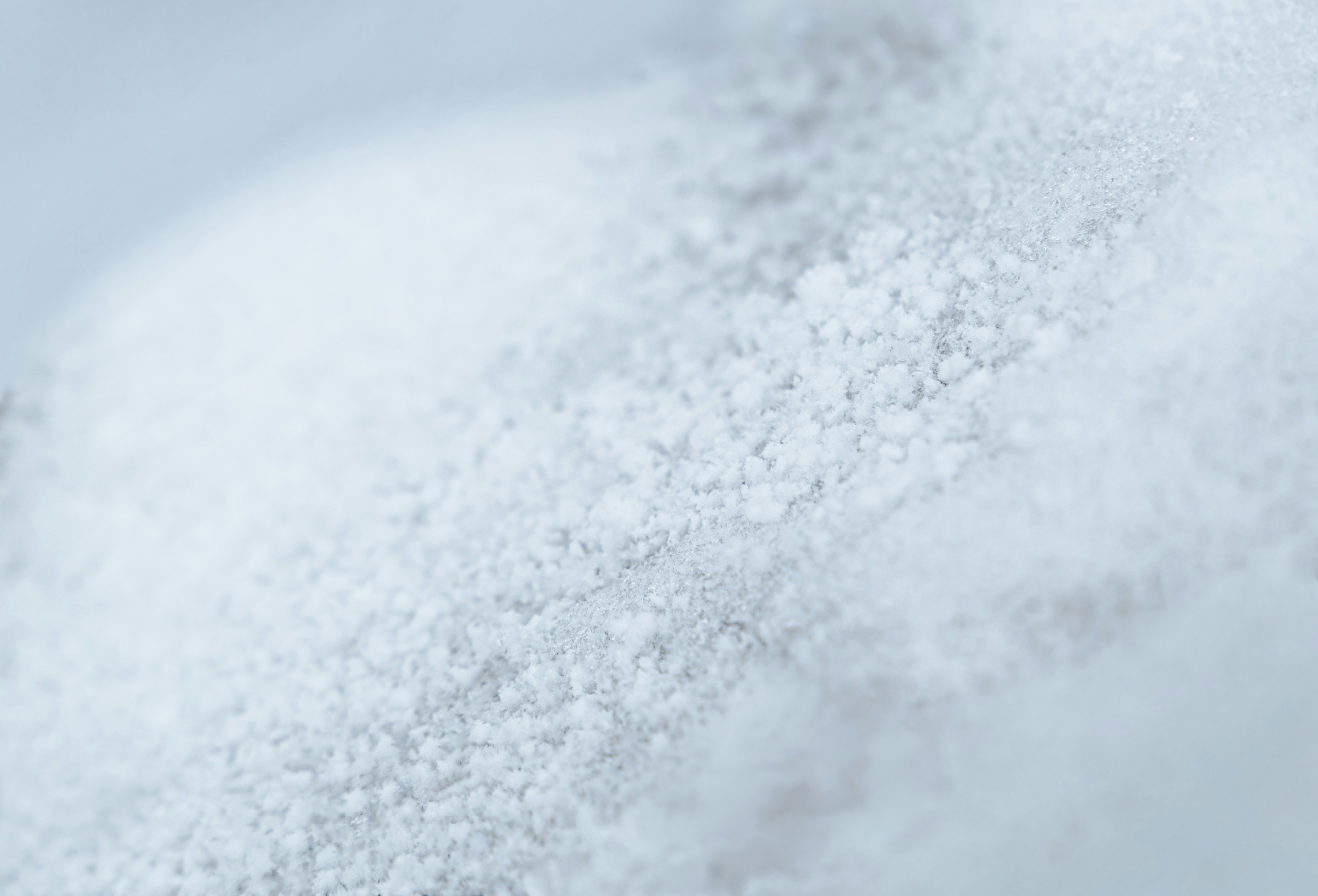
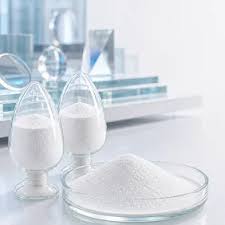
Boric acid, also known as orthoboric acid, is a naturally occurring boron compound that appears as colourless crystals or fine white powder. It is mildly acidic in aqueous solutions and serves as an important industrial source of boron oxide.
Commercial production generally involves processing borate minerals such as borax and colemanite. Manufacturers use controlled chemical reactions to convert these materials into boric acid, followed by crystallisation, filtration and drying.
The final product is available in different grades and particle sizes depending on its intended application.
Important Chemical Properties
Several properties make boric acid suitable for industrial manufacturing:
Boron oxide content: Provides an important source of B₂O₃ for glass and ceramic formulations.
Thermal behaviour: Decomposes upon heating, releasing water and forming boron oxide.
Crystalline structure: Supports consistent handling and dosing in industrial production.
Chemical functionality: Influences glass formation, viscosity and thermal expansion.
Product versatility: Can be supplied in granular or powdered forms for different manufacturing processes.
These characteristics make boric acid particularly valuable in applications where manufacturers require precise control over material composition.
Major Uses of Boric Acid in Glass Manufacturing
Glass manufacturing represents one of the most important industrial applications of boron compounds. Boric acid provides boron oxide, which acts as both a glass network former and a flux.
Its addition can influence melting behaviour and improve the properties of finished glass products.
Borosilicate Glass Production
Borosilicate glass contains silica and boron oxide as major components. Manufacturers use this material for products that require resistance to thermal shock, chemical exposure and temperature variations.
Common applications include:
Laboratory glassware: Used for beakers, test tubes and specialised laboratory containers.
Heat-resistant cookware: Supports the production of glass products designed to withstand temperature changes.
Pharmaceutical containers: Provides chemical durability for selected packaging applications.
Industrial glass equipment: Used in components exposed to demanding thermal and chemical conditions.
Boric acid helps manufacturers control thermal expansion and improve the durability of borosilicate glass.
British Glass+1
Fibreglass and Glass Wool
Fibreglass manufacturers use boron compounds to improve the production and performance of glass fibres.
Boric acid supplies boron oxide, which can help lower melting temperatures, control viscosity and support the fibre-forming process.
These materials serve several industries:
Building insulation: Glass wool helps reduce heat transfer through walls, ceilings and roofs.
Acoustic insulation: Glass fibres help control sound transmission in commercial and industrial buildings.
Reinforcement materials: Continuous glass fibres strengthen plastics used in automotive parts, pipes and industrial equipment.
Electrical applications: Specialised fibreglass materials provide reinforcement and insulation in selected electrical products.
The exact boron source depends on the glass formulation. Manufacturers may choose boric acid or other boron-containing raw materials according to sodium content, purity and production requirements.
Optical and Specialised Glass
Boric acid also supports the production of specialised glass used in optical and technical applications.
Boron oxide helps manufacturers adjust refractive properties, melting behaviour and chemical durability. These characteristics are important in optical components, lighting products and specialised industrial glass.
Boric Acid Applications in Ceramics and Glazes
The ceramic industry uses boric acid as a source of boron oxide in frits, glazes and enamel formulations. These materials help manufacturers create smooth, durable and visually consistent surfaces.
Boric acid contributes to glass formation during firing and influences the interaction between ceramic coatings and their underlying surfaces.
Ceramic Glazes and Frit Manufacturing
Ceramic frits are glass-like materials produced by melting selected raw ingredients and cooling the resulting mixture. Manufacturers later grind these materials into powders for use in ceramic glazes and coatings.
Boric acid provides several functional benefits:
Lower melting requirements: Helps initiate glass formation at lower temperatures in suitable formulations.
Surface smoothness: Influences glaze viscosity and surface tension during firing.
Improved durability: Supports stronger and more resistant glazed surfaces.
Thermal compatibility: Helps control the expansion relationship between the glaze and ceramic body.
Colour development: Provides a suitable glassy base for incorporating colouring oxides.
These properties make boric acid useful in manufacturing ceramic tiles, decorative products and industrial enamel coatings.
Enamel Coatings and Industrial Ceramics
Boric acid is also used in enamel formulations applied to metal surfaces. These coatings provide protective and decorative finishes for appliances, cookware and industrial equipment.
In enamel production, boron oxide helps control melting behaviour and supports the formation of a smooth glass-like coating. It can also improve adhesion, scratch resistance and chemical durability when manufacturers use suitable formulations.
Industrial ceramic producers select boric acid according to firing temperatures, glaze composition and the required surface characteristics.
Other Industrial Applications of Boric Acid
Although glass and ceramics represent major application areas, boric acid also supports several specialised manufacturing processes. Its chemical properties make it useful in industries that require boron-based ingredients for functional materials.
Wood Preservation and Fire Retardancy
Boric acid is used in selected wood preservation and fire-retardant treatments. Boron compounds can help protect wood and cellulose-based materials against certain fungi and insect pests.
In fire-retardant applications, borates can influence combustion and promote char formation in treated cellulose materials. Manufacturers use these compounds in selected insulation products, wood composites and building materials.
Metalworking and Industrial Manufacturing
Boric acid also has applications in specialised metalworking processes and chemical formulations. Boron compounds can contribute to certain industrial lubricants, surface treatments and manufacturing intermediates.
Its suitability depends on the formulation and production requirements. Buyers should confirm whether the supplier offers a grade designed for the intended industrial process.
Fertilizer and Agricultural Manufacturing
Boric acid serves as a source of boron in agricultural formulations. Boron is an essential micronutrient involved in plant growth, cell wall development and reproductive processes.
Fertilizer manufacturers incorporate controlled quantities of boron compounds into micronutrient products designed to address boron deficiencies in crops.
Agricultural buyers must consider concentration and application rates because excessive boron can negatively affect plant growth.
Factors Affecting Boric Acid Quality and Industrial Performance
Selecting the right boric acid grade is important for manufacturers that depend on consistent product composition. Variations in purity, moisture and particle size can affect production efficiency and finished material quality.
Purity and Impurity Levels
Purity is especially important in glass and ceramic manufacturing. Unwanted impurities can influence colour, transparency and the chemical properties of finished products.
Buyers should evaluate:
Boric acid assay and purity percentage.
Iron and other metallic impurity levels.
Chloride and sulphate content.
Moisture and physical appearance.
Product consistency between batches.
Glass manufacturers producing optical or specialised technical products may require tighter impurity controls than standard industrial applications.
Particle Size and Physical Form
Boric acid suppliers commonly offer granular and powdered grades. The appropriate form depends on the manufacturer's feeding, mixing and dissolution systems.
Fine powder can support rapid mixing and uniform distribution, while granular products may offer handling advantages in certain bulk operations.
Packaging and Storage
Boric acid should remain in sealed packaging and dry storage conditions to maintain product quality. Moisture exposure and contamination can create handling difficulties during industrial processing.
Manufacturers generally use:
25 kg bags for standard industrial orders.
Larger bulk bags for high-volume operations.
Moisture-resistant packaging for international transportation.
Buyers should also review storage instructions and safety documentation before receiving bulk shipments.
Global Procurement and Supply Chain Considerations
Boric acid procurement requires attention to supplier reliability, product origin and manufacturing specifications. Since the material serves different industrial applications, buyers should avoid treating every commercial grade as interchangeable.
Supplier Selection and Documentation
Procurement teams should request a complete set of technical documents before approving a supplier.
Important documents include:
Technical Data Sheet (TDS): Confirms purity, physical characteristics and product specifications.
Safety Data Sheet (SDS): Provides handling, storage and safety information.
Certificate of Analysis (COA): Confirms the quality parameters of the supplied batch.
Origin documentation: Helps buyers understand the product's manufacturing source and trade requirements.
Comparing suppliers through these documents helps reduce quality-related purchasing risks.
Factors Influencing Boric Acid Prices
The commercial cost of boric acid depends on several production and market conditions.
Key factors include:
Availability and pricing of borate minerals.
Mining and chemical processing costs.
Energy consumption during manufacturing.
Purity requirements and specialised grades.
Packaging and transportation expenses.
International demand from glass and ceramic producers.
High-purity grades may carry different costs from standard technical material because manufacturers require additional quality control and processing.
Managing International Shipments
Importers and distributors should evaluate packaging quality, shipment documentation and delivery schedules before placing large orders.
Long-term supply agreements can help manufacturers manage recurring requirements and reduce the risk of unexpected shortages. Maintaining relationships with alternative suppliers can also improve sourcing flexibility.
Market Outlook and Opportunities for Industrial Buyers
Boric acid demand remains closely connected to developments in glass, fibreglass, ceramics and specialised manufacturing. Industrial applications requiring heat resistance, chemical durability and controlled melting behaviour continue to create opportunities for boron-based raw materials.
Growth in Advanced Glass Manufacturing
Demand for borosilicate glass, pharmaceutical containers and specialised technical glass supports the importance of boric acid in glass production.
Manufacturers also use boron compounds in glass fibres for insulation and plastic reinforcement. Construction, automotive and renewable energy industries create additional demand for these materials.
Innovation in Ceramic Manufacturing
Ceramic manufacturers continue to improve glaze formulations and firing processes to achieve better surface quality and production efficiency.
Boric acid supports these developments through its influence on glass formation, viscosity and thermal expansion. The development of specialised ceramic coatings and advanced materials also creates opportunities for suppliers offering consistent high-purity grades.
What Procurement Teams Should Consider
Chemical buyers should evaluate boric acid according to its intended application rather than relying exclusively on price or product availability.
Important purchasing priorities include purity, particle size, impurity levels, packaging and supplier documentation. Manufacturers should also compare alternative boron sources, including borax and colemanite, when evaluating formulation requirements and production costs.
Reliable sourcing relationships can help businesses maintain production consistency and respond to changing industrial demand.
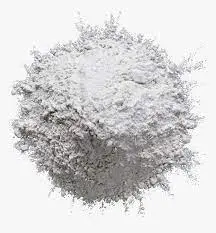
Boric Acid (99.9% Granular) - Turkey
Found this useful?