Braskem's $3.7 Billion Ownership Transaction Ranks Among 2026's Major Latin American Chemical Deals
Braskem's roughly $3.7 billion ownership transaction between IG4 Capital and Novonor stands among 2026's largest ownership deals in the Latin American chemical industry. The scale of the transaction highlights the strategic importance of one of the region's major petrochemical businesses.
For chemical traders, procurement managers, importers and exporters, the transaction matters beyond its headline value. A major ownership change can influence investment priorities, production strategy, commercial relationships and the future direction of regional chemical supply.
Braskem's role across petrochemicals and polymers gives the deal particular significance for industrial buyers. Companies sourcing polyethylene and other petrochemical materials should watch how the new ownership structure affects capacity planning, capital allocation and regional trade flows.
Why Braskem's $3.7 Billion Transaction Matters
The value assigned to Braskem's controlling stake places the transaction among the most significant Latin American chemical ownership deals of 2026. Such a large transaction reflects the strategic value attached to Braskem's production assets, market position and role in the regional petrochemical industry.
For buyers, transaction size offers an indication of the potential importance of the assets involved, but it does not by itself predict changes in chemical availability. The more relevant question is how the new ownership translates into operational and investment decisions.
Procurement teams should therefore focus on the post-transaction strategy. Production continuity, capital expenditure and commercial priorities will provide stronger signals than the transaction value alone.
IG4 Capital and Novonor Reshape Braskem's Ownership
The IG4 Capital-Novonor transaction changes the ownership landscape around Braskem after a multi-year effort by Novonor to reduce its position. The deal also represents an important development in the restructuring of Novonor's broader business portfolio.
For Braskem, a new ownership structure can create an opportunity to reassess strategic priorities. Management and investors may evaluate where capital can generate the strongest returns while maintaining the operational requirements of a major petrochemical producer.
That process could influence:
Capital allocation: Investment may shift toward assets and projects considered strategically important.
Production efficiency: Operational improvements can become a focus as the new ownership evaluates performance.
Capacity strategy: Expansion or modernization plans may receive renewed attention.
Product portfolio: The importance of different polymer and chemical businesses may be reassessed.
Regional positioning: Brazil's role in Latin American petrochemical supply could influence future commercial decisions.
These factors will matter to customers that rely on consistent material availability.
The Deal's Importance for Latin American Chemical Markets
Large chemical transactions can influence markets well beyond the companies directly involved. Braskem's scale means decisions about its assets can affect suppliers, distributors, converters and industrial manufacturers across Latin America.
A change in investment strategy could eventually alter regional production balances. If capacity expands, buyers may gain additional local supply, while reduced investment or asset rationalization could create greater reliance on imports.
Regional trade flows deserve close attention during the ownership transition. Importers and exporters can use changes in shipment volumes and sourcing patterns to identify emerging market opportunities.
For traders, this means the transaction should be considered as part of a broader Latin American chemical market strategy rather than as an isolated corporate event.
What the Ownership Change Could Mean for Polymer Supply
Braskem's position in the polymer market makes its investment decisions particularly important for procurement teams. Buyers need dependable access to material, consistent quality and predictable delivery regardless of changes in corporate ownership.
The transaction itself does not necessarily change supply immediately. Existing production networks and customer relationships can continue while the new ownership evaluates longer-term priorities.
Over time, however, investment decisions can influence availability. Capacity additions can strengthen regional supply, while changes in production priorities could alter the availability of specific grades.
Procurement teams should therefore maintain a distinction between short-term continuity and long-term strategic change. Current contracts and supply arrangements may remain stable while future capacity and sourcing strategies evolve.
Capital Investment Will Be a Key Market Signal
Petrochemical facilities require continuous investment in maintenance, modernization, safety and environmental performance. Ownership changes can influence the pace and direction of that spending.
For Braskem, future capital expenditure will provide an important indicator of the new owners' priorities. Buyers can monitor announcements involving production facilities, technology upgrades and capacity development.
Investment can affect the chemical market through several channels:
Capacity growth: Additional output can improve regional availability.
Plant modernization: Improved efficiency can strengthen production competitiveness.
Maintenance: Sustained spending can support operational reliability.
Environmental upgrades: Investment in emissions and resource efficiency can influence the long-term position of production assets.
Procurement managers should include these developments in supplier reviews because capital investment can affect supply resilience over several years.
Implications for Chemical Traders
The transaction creates a new corporate reference point for traders working with Brazilian petrochemicals. Changes in ownership can lead to new commercial priorities, making customer intelligence particularly valuable.
Traders should monitor actual market behavior rather than relying exclusively on transaction announcements. Changes in production, export volumes and purchasing patterns can provide early evidence of strategic adjustments.
Useful indicators include:
Changes in Braskem's production or capacity utilization.
New investment announcements involving major facilities.
Shifts in Brazilian polymer exports.
Changes in regional import requirements.
New distribution or commercial arrangements.
Customer demand for alternative origins.
This information can help traders adjust sourcing strategies before larger market changes become obvious.
Why Regional Trade Flows Could Shift
Brazil plays an important role in Latin American industrial supply, but chemical markets remain connected to global producers. Changes in Braskem's output can therefore affect both regional sourcing and international trade.
If domestic or regional supply becomes more competitive, buyers may reduce reliance on imports from distant markets. Conversely, changes in production availability could create opportunities for overseas exporters.
Importers should maintain relationships with multiple origins where practical. This creates negotiating flexibility and protects against unexpected changes in regional supply.
Exporters can also monitor Brazilian demand for imported materials that complement domestic production. A large ownership transaction can eventually reshape purchasing patterns without eliminating international trade opportunities.
What Procurement Teams Should Watch After the Deal
The transaction gives procurement professionals several concrete areas to monitor. These indicators can help distinguish corporate restructuring from changes that directly affect purchasing.
Investment plans: New capital commitments can reveal long-term production priorities.
Production updates: Operating performance provides a more immediate view of supply conditions.
Export activity: Changes in outbound volumes can affect regional availability.
Product strategy: Portfolio changes can influence the availability of particular grades.
Customer contracts: Changes in commercial structures may affect how buyers access material.
Procurement teams should use these signals alongside conventional market indicators such as feedstock costs, inventory levels and regional demand.
Ownership Deals Can Create Both Opportunities and Risks
A transaction of this scale can provide opportunities for efficiency and investment while also introducing uncertainty during the transition. Buyers should avoid assuming either outcome will occur automatically.
For chemical customers, the best strategy is to maintain flexibility. Multiple qualified suppliers, realistic inventory planning and regular market monitoring can reduce exposure to unexpected changes.
Traders can similarly diversify their supplier and customer portfolios. A broad network allows them to respond when regional chemical balances change.
Supply resilience becomes especially valuable when a major producer changes ownership. Even if operations remain stable, procurement teams benefit from having contingency options available.
The Wider Significance for Latin America's Chemical Industry
The Braskem transaction illustrates the scale of capital involved in Latin American chemical assets. A roughly $3.7 billion valuation for the controlling stake demonstrates the strategic importance investors place on established petrochemical infrastructure and market access.
The transaction also highlights how financial restructuring, ownership strategy and industrial supply chains can intersect. Novonor's effort to reshape its portfolio has brought a major chemical asset into a new ownership structure, creating a fresh strategic phase for Braskem.
For the wider industry, the deal may encourage closer attention to other ownership opportunities, restructuring processes and capital movements across Latin American chemicals. These developments can influence investment, capacity and sourcing over time.
Looking Ahead to 2027
The IG4 Capital-Novonor transaction is one of 2026's major Latin American chemical ownership developments, with the controlling stake valued at roughly $3.7 billion. Its long-term significance will depend less on the headline valuation than on what the new ownership does with Braskem's assets and capabilities.
For chemical buyers, the priority is to track production, investment and trade flows while preserving sourcing flexibility. Any changes in capacity, product strategy or regional exports could create new opportunities and risks for procurement teams.
Chemical traders should also view the transaction as a reminder that corporate ownership can become a meaningful market signal. Understanding who controls major production assets can help buyers anticipate changes before they appear in pricing or availability.
As Braskem enters its next ownership phase, the company will remain an important reference point for Latin American polymer and petrochemical markets. Procurement teams that combine corporate monitoring with practical supply chain planning will be better positioned to respond to the next stage of market development.
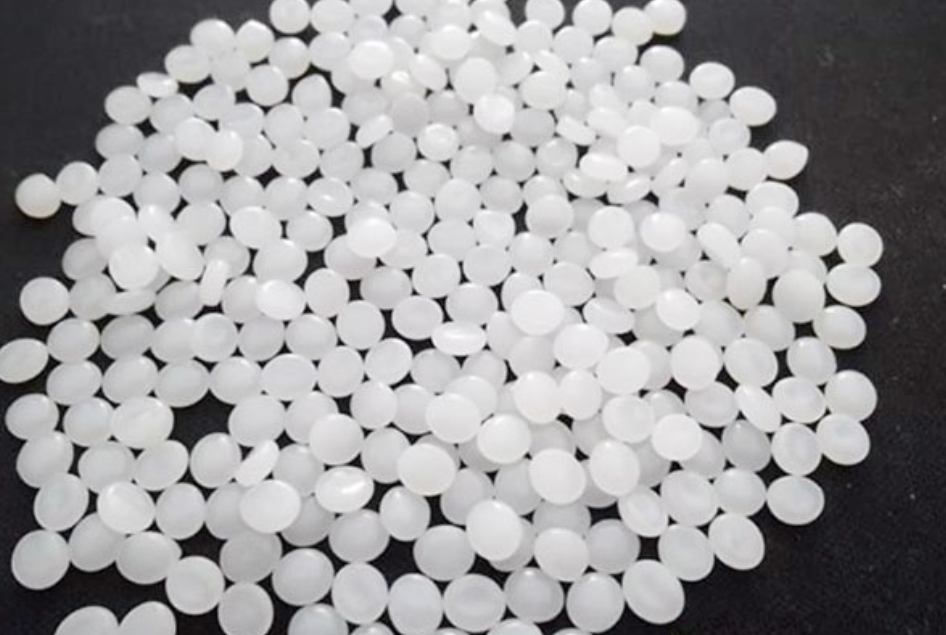
High Density Polyethylene (HDPE)
Found this useful?