Brazil Chemical Watch: Domestic Production, Import Dependency, and Supply Chain Resilience
Brazil is home to one of the largest chemical industries in the Southern Hemisphere, serving sectors such as agriculture, food processing, automotive manufacturing, construction, healthcare, and consumer goods. With a strong domestic petrochemical base and abundant natural resources, the country plays a vital role in Latin America's industrial economy.
Despite its manufacturing capabilities, Brazil continues to rely on imports for several high-value chemical categories, particularly specialty chemicals, pharmaceutical intermediates, and selected fertilizer products. Understanding where Brazil is self-sufficient and where international suppliers remain essential helps procurement professionals develop more resilient sourcing strategies.

An Overview of Brazil's Chemical Industry
Brazil has built a diversified chemical sector that supports both domestic demand and export markets.
Major segments include:
Petrochemicals
Polymers and plastics
Fertilizers
Agrochemicals
Industrial chemicals
Pharmaceutical ingredients
Paints and coatings
Consumer chemicals
The industry's broad production base makes it one of the largest contributors to Latin America's manufacturing economy.
Petrochemicals: A Core Industry Strength
Petrochemicals remain one of Brazil's strongest industrial sectors.
Major production areas include:
Polyethylene
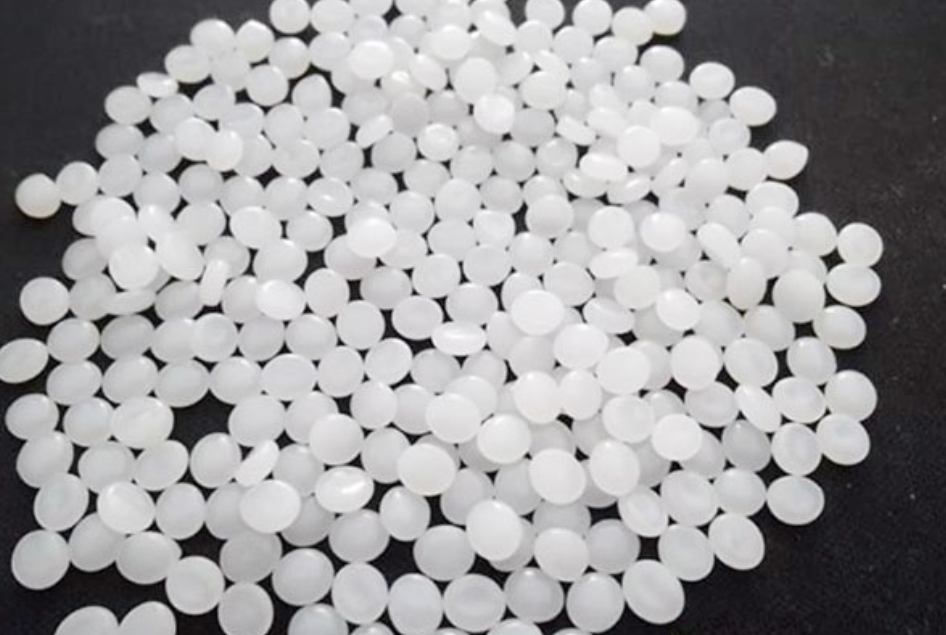
High Density Polyethylene (HDPE)
Polypropylene
PVC
Basic petrochemical intermediates
Industrial resins
Large integrated production facilities support downstream industries such as packaging, construction, automotive manufacturing, and consumer products.
This strong domestic production reduces reliance on imports across several commodity chemical categories.
Fertilizers and Agricultural Chemicals
As one of the world's leading agricultural producers, Brazil has substantial demand for fertilizer products.
Domestic production supports part of this demand, but imports continue to play an important role, particularly for:
Nitrogen fertilizers
Selected phosphate products
Potash
Specialty crop nutrition products
Expanding local fertilizer production remains a long-term industrial priority aimed at strengthening agricultural supply security.
Specialty Chemicals and Pharmaceutical Inputs
Brazil continues importing many higher-value chemical products that require advanced manufacturing technologies.
These include:
Specialty additives
Electronic chemicals
Pharmaceutical intermediates
Performance materials
High-purity industrial chemicals
Advanced polymer additives
International suppliers remain important partners for these specialized market segments.
Brazil's Import Dependency by Category
Import dependence varies considerably across the chemical industry.
Strong Domestic Production
Brazil has well-established production capabilities in:
Petrochemicals
Commodity polymers
Industrial chemicals
Construction chemicals
Selected agrochemicals
Higher Import Dependence
Imports continue supporting demand for:
Nitrogen fertilizers
Pharmaceutical intermediates
Specialty chemicals
Advanced materials
High-performance additives
Certain industrial process chemicals
Understanding these differences helps procurement teams prioritize supplier diversification strategies.

Geographic Advantages
Brazil's Atlantic coastline provides direct access to major international shipping routes serving the Americas, Europe, and Africa.
This geographic position supports:
Diversified import options
Efficient export logistics
Strong port connectivity
Flexible supplier selection
Regional trade integration
Access to multiple shipping corridors strengthens supply chain resilience over the long term.
Procurement Considerations
Organizations sourcing chemicals in Brazil should evaluate several strategic factors.
Balance Domestic and International Suppliers
Combining local production with global sourcing can improve flexibility and reduce supply risks.
Evaluate Product Categories
Different chemical segments require different procurement strategies depending on domestic availability.
Strengthen Supplier Relationships
Reliable partnerships improve continuity during periods of market uncertainty.
Monitor Logistics Performance
Transportation, warehousing, and port operations remain important contributors to total landed cost.
Focus on Total Value
Supplier evaluation should consider quality, technical support, delivery reliability, and long-term partnership potential alongside pricing.
Opportunities for Global Suppliers
Brazil continues offering significant opportunities for international chemical producers.
Growing demand exists across:
Pharmaceutical manufacturing
Agricultural inputs
Specialty chemicals
Sustainable materials
Industrial additives
Advanced polymers
Suppliers offering differentiated products and technical expertise remain well positioned within the Brazilian market.
Long-Term Outlook
Brazil's chemical industry is expected to continue expanding through industrial investment, agricultural growth, infrastructure development, and increasing demand for higher-value chemical products.
Future priorities include:
Greater domestic fertilizer production
Expanded petrochemical capacity
Specialty chemical manufacturing
Sustainable industrial development
Supply chain diversification
Increased investment in advanced materials
For procurement professionals, Brazil represents a market where domestic manufacturing strengths and strategic imports work together to support long-term industrial growth.
Key Takeaways
Brazil has one of Latin America's largest chemical industries, supported by strong domestic petrochemical production.
Commodity chemicals are widely produced locally, while specialty chemicals, pharmaceutical intermediates, and selected fertilizers remain more import-dependent.
Brazil's Atlantic location supports diversified international sourcing and strengthens supply chain resilience.
Procurement teams should align sourcing strategies with the specific import dependency of each chemical category.
Long-term opportunities continue to grow in fertilizers, specialty chemicals, advanced materials, and industrial manufacturing.
Found this useful?