Brazil’s Sugarcane Biorefinery Model
Brazil is the world’s largest producer of sugarcane ethanol, and its success stems from an integrated biorefinery approach that turns every part of the plant into valuable products. The model is built on a closed‑loop system where sugarcane juice, bagasse, and vinasse become renewable ethanol, electricity, and a suite of bio‑based chemicals.
Key Elements of the Integrated Model
Feedstock Utilization
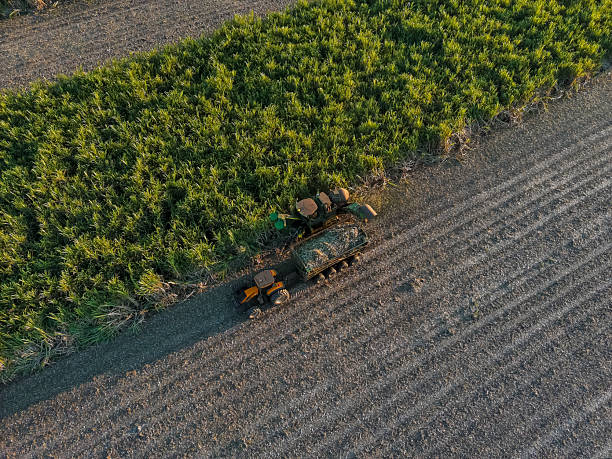
The process starts with the harvest of sugarcane, which is transported to a central location for crushing. The resulting juice is fermented to produce sugarcane ethanol, while the residual fibrous material, or bagasse, is used for steam generation and power production.
Energy Recovery and Co‑Products
Bagasse combustion feeds a boiler that produces steam and electricity. The steam drives the distillation columns, and surplus power is fed back into the grid, creating a net‑positive energy balance. This energy surplus enables the production of industrial solvents and renewable chemicals such as acetic acid, ethylene glycol, and glycerol.
Biorefinery Integration
Bioethanolτή Production: Continuous fermentation units convert sugarcane sugars to ethanol with high yield.
Bio‑Based Chemicals: Downstream enzymatic and catalytic processes transform by‑products into marketable provenant chemicals.
Renewable Energy: Bagasse‑derived steam and electricity reduce reliance on fossil fuels.
ISCC Plus Certification: All stages meet international sustainability standards, guaranteeing traceability and carbon credits.
Supply‑Chain Resilience and Certification Support
Brazil’s biorefinery model benefits from a robust supply chain that spans the entire sugarcane value chain—from farm to fuel. The Integrated Supply Chain ensures:
Reliable feedstock delivery through regional cooperatives.
Efficient logistics, with dedicated rail and port infrastructure.
Risk mitigation via crop insurance and price‑hedging mechanisms.
Certification frameworks such as ISCC Plus reinforce this resilience by providing transparent audit trails, carbon accounting, and market access for renewable chemicals.
Green Chemistry and Sustainable Feedstocks
The biorefinery embraces green chemistry principles by:
Reducing solvent usage through solvent‑free or aqueous processes.
Maximizing atom economy in catalytic conversions.
Implementing closed‑loop water recycling systems.
As a result, the facility produces bio‑based chemicals that can replace petroleum‑derived counterparts in textiles, plastics, and pharmaceuticals, contributing to a circular economy.
Industrial Solvents and Renewable Chemicals
Beyond ethanol, the integrated model generates high‑value industrial solvents such as acetone, propanol, and butanol. These solvents are essential for:
Co‑solvent blends for pesticide formulations.
Solvents in the manufacturing of biodegradable plastics.
Feedstock for the production of renewable fuels.
By integrating these products into the supply chain, Brazil reduces the environmental footprint of chemical production and supports local industries.
Market Impact and Global Leadership
Brazil’s biorefinery model has positioned the country as a leader in the global renewable chemicals market. The country’s ethanol егьuzzer is now the most competitive biofuel, with a production cost that rivals gasoline. Moreover, the integrated approach has spurred the growth of a domestic market for bio‑based chemicals, attracting investment and creating jobs.
Future Outlook and Expansion Opportunities
Looking ahead, the model offers several expansion pathways:
Scale‑Up: Adding new fermentation units to meet rising demand for bioethanol in transportation and industry.
Product Diversification: Developing next‑generation bio‑based plastics and biomaterials.
Digitalization: Implementing IoT and AI for real‑time process optimization and predictive maintenance.
International Partnerships: Exporting technology and expertise to emerging markets seeking sustainable feedstock solutions.
With continued support for green chemistry, renewable feedstock sourcing, and certification standards, Brazil’s integrated sugarcane biorefinery model will remain a benchmark for sustainable chemical procurement worldwide.