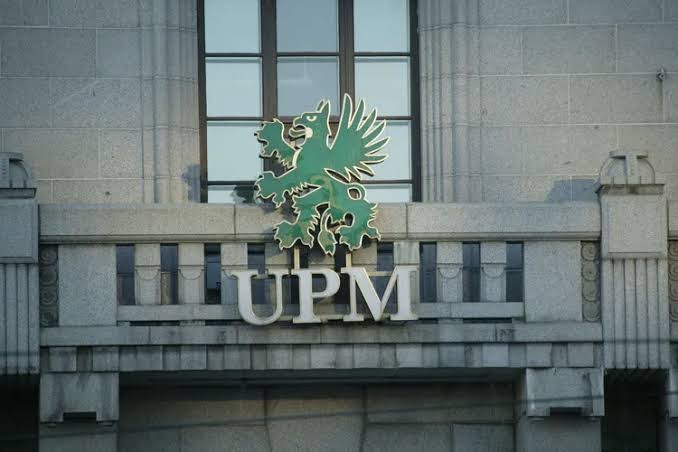
Brussels Doubts the UPM–Sappi Paper Joint Venture
The European Commission has reiterated serious competition concerns about the proposed joint venture between Finnish paper producer UPM-Kymmene and South Africa-based Sappi, adding uncertainty to a major restructuring of Europe's graphic paper industry.
On October 5, 2026, the companies disclosed that they had received a Letter of Facts from the Commission during its Phase II merger review. The parties are preparing responses and intend to propose specific remedies, but have indicated that they do not plan to offer asset divestments.
The case highlights the challenge facing European industrial companies: restructuring declining markets to improve efficiency while ensuring that consolidation does not significantly reduce competition or customer choice.
Deal Overview
The proposed joint venture would combine UPM's Communication Papers business with Sappi's European graphic paper operations, creating a major supplier of communication papers in Europe.
Key details include:
Companies: UPM-Kymmene and Sappi
Transaction value: Approximately €1.42 billion in combined enterprise value
Ownership: 50% UPM and 50% Sappi
Scope: UPM's Communication Papers business and Sappi's European graphic paper business
Expected annual synergies: Approximately €100 million, according to the companies
Regulatory status: European Commission Phase II review ongoing
Remedy approach: Specific proposals planned, with no asset divestments currently intended
Latest deadline development: The Commission granted an additional 20 working days, extending the deadline for proposed remedies to December 9, 2026
The joint venture cannot become operational until the required regulatory approvals and other closing conditions have been satisfied.
Why the European Commission Is Concerned
The Commission's review focuses on whether combining the two businesses could significantly weaken competition in European graphic paper markets.
Graphic and communication papers are used in applications such as magazines, books, and other printed publications. The competitive effects of consolidation can vary by paper grade, customer segment, and geographic market.
The Commission's concerns indicate that it is examining whether the proposed combination could reduce the number of meaningful supply alternatives available to customers.
Potential issues in a transaction of this type include:
Reduced competition between existing suppliers
Fewer alternative sources for particular paper grades
Greater pricing pressure on customers
Changes in product availability
Reduced negotiating leverage for buyers
These are potential consequences associated with the competition assessment, not findings that the joint venture has already caused these outcomes. The Commission has not yet issued a final decision.
What Is a Letter of Facts?
A Letter of Facts is part of the European Commission's merger review process. It sets out relevant facts or issues that the Commission considers important to its assessment and gives the parties an opportunity to respond.
Its issuance signals that significant questions remain unresolved, but it does not mean the transaction has been prohibited.
The UPM–Sappi proposal remains under review, and the parties are analyzing the Commission's concerns while preparing their response and proposed remedies.
Why the Companies Prefer Remedies Over Divestments
UPM and Sappi have said they intend to propose specific remedies but do not plan to divest assets, given the rationale of the transaction.
Divestments typically involve selling businesses, production facilities, or other assets to preserve competition by enabling another company to compete effectively.
Other remedies may address particular competition concerns without requiring the sale of assets. Depending on the issues identified, such measures can include commitments concerning commercial conduct, supply arrangements, or access to certain resources.
However, the effectiveness of any remedy depends on the specific competition concerns and the Commission's assessment. The companies' preference for non-divestment remedies does not guarantee that the Commission will accept their proposals.
The Commercial Rationale for the Joint Venture
UPM and Sappi argue that combining their European graphic paper operations would help the industry respond to structural demand decline and persistent overcapacity.
UPM has stated that European graphic paper demand has fallen by more than half over the past two decades as digitalization has reduced demand for printed communication materials.
According to the companies, the joint venture could support a more orderly adjustment of production capacity while improving operating efficiency and maintaining reliable customer supply.
The planned annual synergies of approximately €100 million are expected to come from areas such as:
Production asset optimization
Logistics improvements
More efficient sourcing
Product portfolio rationalization
Operational efficiencies
These benefits remain projected rather than realized. Their timing and scale will depend on regulatory approval, integration, and market conditions.
Sustainability and Industrial Restructuring
The case also highlights the relationship between industrial sustainability and competition policy.
Paper manufacturers face pressure to improve resource efficiency, manage production costs, and adapt capacity to changing demand. Consolidation can potentially help companies optimize manufacturing networks and logistics.
However, efficiency gains must be assessed alongside the effects on competition. If consolidation leaves customers with too few alternatives, potential operational benefits may not resolve the Commission's concerns.
The regulatory challenge is therefore to assess whether the proposed structure can support a more efficient and resilient industry while maintaining effective competition.
Market Implications
The outcome could influence the structure of Europe's graphic paper market and the strategic decisions of other industrial producers operating in declining sectors.
Potential implications include:
Continued uncertainty around European graphic paper supply
Delayed integration and realization of projected synergies
Greater scrutiny of consolidation in structurally declining industries
Changes to manufacturers' capacity and investment plans
Continued focus on logistics and production efficiency
Possible changes to customer sourcing strategies, depending on the final outcome
For paper buyers, the key consideration is how the final regulatory decision may affect supplier choice, product availability, and the competitive balance across different grades.
Competitive Intelligence
Companies monitoring the European paper industry should track several developments.
1. Proposed Remedies
The scope and effectiveness of the companies' proposals will be central to the Commission's assessment.
2. Regulatory Decision
The review remains ongoing. The extension of the remedies deadline to December 9, 2026, provides additional time for the parties to address the Commission's concerns.
3. Market Concentration
Buyers should monitor how the proposed combination could affect competition across individual paper grades and customer segments.
4. Capacity Rationalization
The parties' plans for production capacity and asset optimization may offer insight into the future structure of the European industry.
5. Customer Supply
Paper buyers should follow developments that could affect sourcing options, contractual arrangements, and long-term supply planning.
Procurement Considerations
Paper buyers, publishers, printers, and packaging-related businesses should assess how potential market consolidation could affect their sourcing strategies.
Recommended actions include:
Review dependence on UPM and Sappi for specific paper grades.
Maintain visibility into alternative suppliers and available capacity.
Monitor contract terms, lead times, and supply commitments.
Evaluate the availability of technically suitable substitutes.
Track regulatory announcements and changes to the transaction structure.
Avoid assuming that integration or supply changes will occur before approval.
Maintaining qualified alternatives can help buyers manage uncertainty while the regulatory review continues.
Looking Ahead
The UPM–Sappi joint venture remains an important test of how European competition policy handles consolidation in a structurally declining industrial market.
The companies argue that the combination could improve efficiency, strengthen supply resilience, and support the long-term competitiveness of European graphic paper production. The Commission, meanwhile, continues to examine whether the proposed transaction could harm competition.
With the remedies deadline extended to December 9, 2026, the immediate focus is on whether the parties can address the Commission's concerns without selling assets.
The final outcome will matter not only for UPM and Sappi but also for other manufacturers considering consolidation as a response to declining demand, excess capacity, and changing industrial economics.
Key Takeaways
The European Commission continues to have serious competition concerns about the proposed UPM–Sappi graphic paper joint venture.
The transaction combines UPM's Communication Papers business with Sappi's European graphic paper operations.
The combined businesses have an estimated enterprise value of approximately €1.42 billion.
UPM and Sappi plan to offer specific remedies but currently do not intend to divest assets.
The companies project annual synergies of approximately €100 million.
The Commission extended the remedies deadline by 20 working days to December 9, 2026.
The transaction remains subject to regulatory approval, and no final decision has been made.
Sources
https://chemxplore.com/news/european-commission-graphic-paper-joint-venture

Gum Rosin Grade M - China
Found this useful?