Brussels Puts €1 Billion on the Table to Decarbonize Industrial Heat
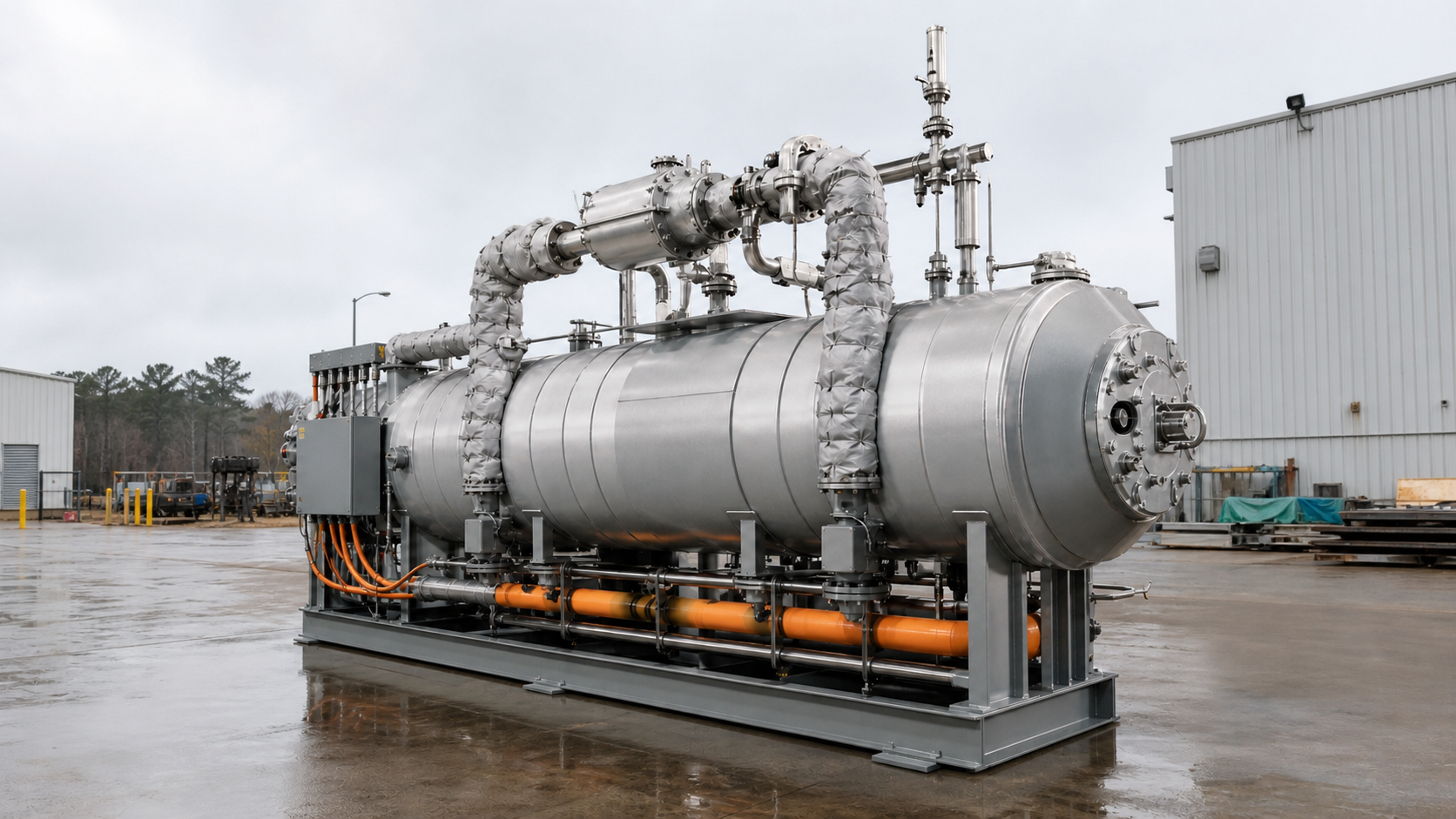
Europe is putting major financial support behind one of the hardest parts of industrial decarbonization: high-temperature heat. The European-wide auction will place €1 billion on the table for projects that can reduce industrial emissions through electrification, renewable heat and small modular reactors.
The mechanism will use a fixed CO₂ premium to support qualifying projects, with bidding scheduled to open in December 2026. For chemical producers, manufacturers and procurement teams, the initiative could influence future energy sourcing, plant investment and demand for materials used across low-carbon industrial systems.
Why Industrial Heat Has Become a Strategic Priority
Industrial heat remains essential across chemical processing, refining, metals, glass, ceramics, food production and other manufacturing activities. Many facilities depend on continuous high-temperature processes, which makes replacing conventional fossil-fuel systems more complex than simply switching electricity suppliers.
The European auction targets this challenge by improving the economic case for alternative heat technologies. Instead of relying entirely on conventional energy prices, qualifying projects can receive additional support linked to their CO₂ reduction performance.
This approach could encourage companies to bring forward projects that previously faced difficult investment economics.
For industrial buyers, the policy matters because changes in energy infrastructure often create secondary demand for:
Electrical equipment and heating systems required for plant electrification.
Materials used in thermal processing equipment, insulation and industrial construction.
Chemicals and process inputs needed for new or modified production systems.
Equipment and components supporting renewable heat integration and low-carbon power generation.
How the €1 Billion Auction Could Work
The auction is designed around a fixed CO₂ premium, creating a clearer financial incentive for companies that can deliver industrial heat with lower emissions. The mechanism gives project developers a stronger basis for assessing the commercial return of large energy transition investments.
Bidding is scheduled to open in December 2026, making the coming months important for companies evaluating potential projects or positioning themselves within emerging supply chains.
The Europe-wide structure also matters. A broader auction can create opportunities across multiple industrial regions rather than concentrating support in a single national market.
Projects based on different technology pathways can compete for support, including:
Industrial electrification, particularly where electric heating can replace fossil-fuel-based thermal processes.
Renewable heat, including systems capable of supplying usable process heat to industrial facilities.
Small modular reactors, which could provide a potential source of low-carbon energy for energy-intensive operations.
The resulting investment decisions could influence industrial energy procurement well beyond the companies directly participating in the auction.
Electrification Could Reshape Industrial Equipment Demand
Industrial electrification can require significant changes to existing production infrastructure. Plants may need new electrical connections, heating equipment, transformers, control systems and other components capable of handling different operating conditions.
The chemical sector could see particular effects because many processes require carefully controlled temperatures and reliable energy supply. Replacing a combustion-based heating system therefore involves more than installing an alternative energy source.
Procurement teams may need to evaluate:
Equipment compatibility with existing production lines.
Electricity availability and grid connection capacity.
Operating temperatures and heat-transfer requirements.
Maintenance requirements and expected equipment lifetime.
Availability of critical components and replacement parts.
The transition could also create demand for materials that support electrical insulation, thermal management and corrosion-resistant equipment.
For chemical traders, these changes can open opportunities in both direct industrial supply and supporting infrastructure.
Renewable Heat Creates a Different Procurement Chain
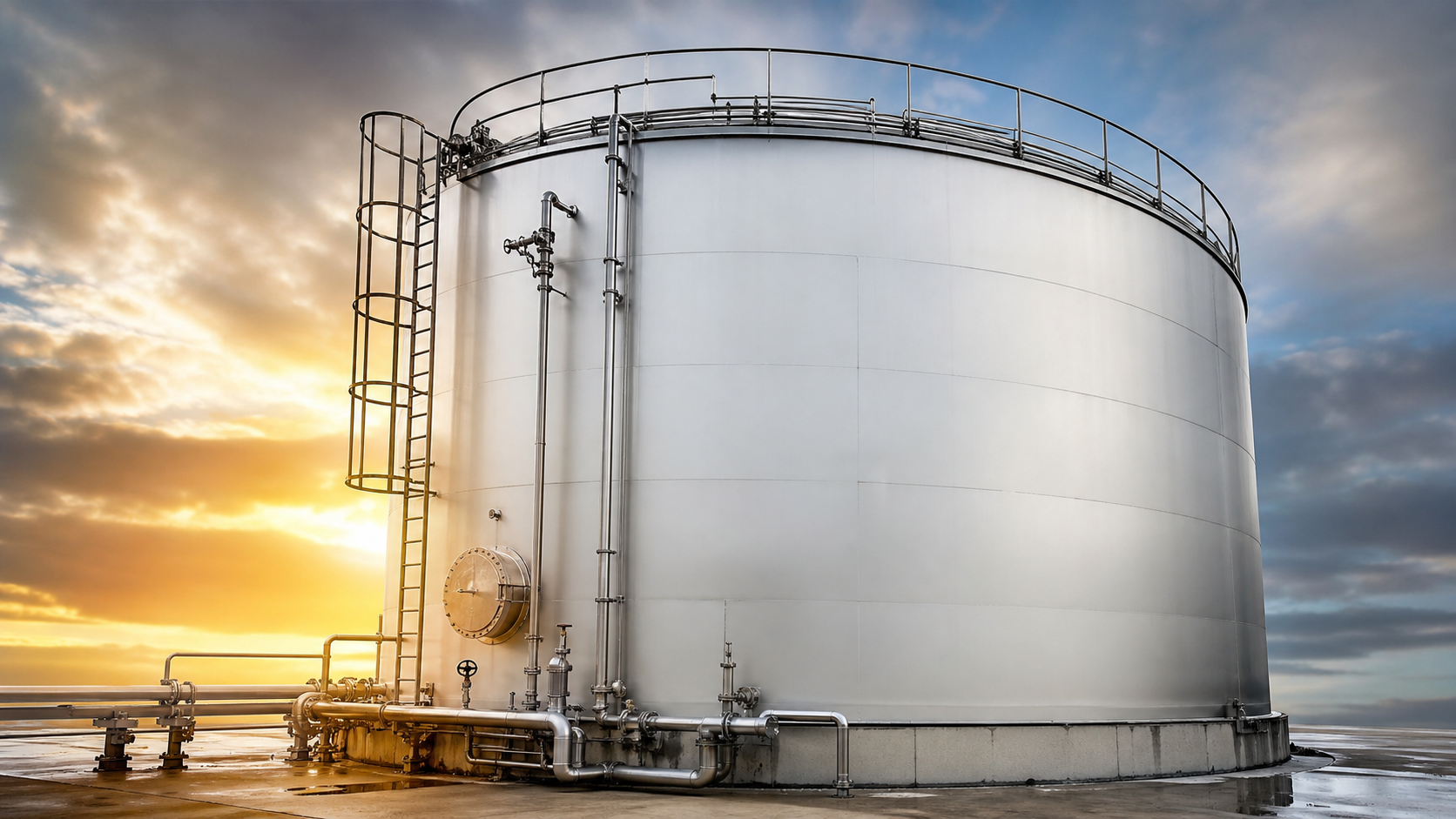
Renewable heat can take several forms depending on the industrial process, temperature requirements and local energy resources. The European initiative places this pathway alongside electrification, allowing project developers to consider solutions that fit their individual production conditions.
For buyers, renewable heat projects can generate requirements across engineering, construction and industrial materials. Heat exchangers, piping, insulation systems, pumps and specialized components can all become part of a larger procurement program.
The chemical supply chain can also play a role. Industrial facilities may require chemicals for water treatment, cleaning, cooling systems, corrosion management and other plant operations.
Renewable heat projects can therefore create a broader procurement effect than the headline energy technology suggests.
Chemical traders that understand these connected requirements can position themselves as suppliers to industrial projects rather than focusing only on traditional chemical demand.
Small Modular Reactors Enter the Industrial Heat Conversation
The inclusion of small modular reactors gives the auction an unusually broad technology scope. SMRs could potentially provide a stable source of low-carbon energy for industrial sites with substantial and continuous energy requirements.
For industrial manufacturers, reliable energy availability matters almost as much as the carbon intensity of that energy. Continuous processes can face significant costs when energy supply becomes unreliable or when production systems cannot operate at required temperatures.
The potential industrial role of SMRs therefore extends beyond electricity generation. Depending on the technology and project configuration, nuclear energy can become part of a wider strategy for supplying dependable low-carbon energy and heat.
For chemical and materials suppliers, this could eventually create demand around new industrial infrastructure, although the immediate opportunity lies more strongly in project development and supporting supply chains.
What the Policy Means for Chemical Traders
Energy transition projects can alter chemical demand in ways that are difficult to see from energy policy alone. New industrial equipment can require different maintenance chemicals, treatment products, specialty materials and process inputs.
The impact will vary by sector, but several areas deserve attention.
Water treatment chemicals may become important where new heating, cooling or energy systems rely on controlled water quality. Products used for corrosion control, scale management and water conditioning can support long-term equipment performance.
Industrial acids and alkalis can remain relevant for cleaning, surface treatment and plant maintenance. Products such as hydrochloric acid, sulfuric acid and caustic soda already serve many industrial applications and can remain part of broader facility supply chains.
Specialty materials could gain importance where new equipment requires higher thermal resistance, chemical resistance or electrical performance. Procurement teams may increasingly evaluate suppliers based on technical specifications as well as price.
European Buyers Face New Sourcing Considerations
The auction could encourage companies to accelerate investment decisions, but industrial projects still depend on reliable supply chains. Equipment delays, raw material shortages and inconsistent chemical availability can affect project schedules.
Procurement managers should therefore examine suppliers beyond headline pricing.
Key considerations include:
Origin and availability: Buyers need dependable information about production locations and export capacity.
Specification consistency: Industrial projects often require tight technical specifications that suppliers must meet consistently.
Documentation: Safety documentation, certificates and technical information can become critical during qualification.
Logistics: Port access, shipping schedules and inland transportation can influence the landed cost of imported chemicals.
Supply continuity: Energy transition projects can operate for decades, making dependable supplier relationships valuable.
For importers and exporters, the growth of industrial decarbonization projects may create new trade flows within Europe and between European manufacturers and overseas suppliers.
Decarbonization Could Change Long-Term Chemical Demand
The effects of industrial heat investment will not stop at energy consumption. When factories redesign production systems, they can also reassess raw materials, process chemistry and operating procedures.
Some facilities may increase demand for products that support advanced equipment. Others may reduce consumption of materials associated with older combustion-intensive processes.
The result will likely differ by industry.
Chemical traders should pay attention to sectors where heat represents a major part of production costs. These industries have stronger incentives to adopt technologies that reduce both emissions and long-term energy exposure.
The €1 billion auction could therefore act as a catalyst for broader industrial investment rather than simply funding individual heat projects.
Procurement Teams Should Prepare Before Bidding Begins
With bidding scheduled for December 2026, companies connected to industrial heat projects have a relatively clear timeframe for preparation. Suppliers that wait until projects are fully developed may miss opportunities to become part of approved procurement networks.
Procurement teams can begin by mapping their exposure to industrial decarbonization projects and identifying products that could see stronger demand.
A practical preparation strategy includes:
Track project announcements: Monitor major industrial companies and technology developers preparing low-carbon heat projects across Europe.
Review supplier capacity: Confirm which suppliers can provide consistent volumes, specifications and documentation for industrial applications.
Assess logistics routes: Compare European inventory, regional distribution and import options before project demand peaks.
Identify complementary products: Look beyond the main chemical requirement and assess water treatment, maintenance and process support materials.
Build flexible sourcing options: Multiple qualified suppliers can reduce the risk of disruption during large infrastructure projects.
Early preparation can give traders a better understanding of where demand may emerge and help buyers avoid last-minute procurement pressure.
Looking Ahead to 2027
The December 2026 bidding window could mark an important step in Europe's effort to address industrial heat emissions. If supported projects move into development, the effects could spread across equipment manufacturing, construction, energy procurement and chemical supply chains.
The fixed CO₂ premium also provides a commercial signal to industries evaluating technologies that may otherwise face high upfront costs. That signal could encourage more companies to examine electrification, renewable heat and alternative low-carbon energy sources.
For chemical traders and procurement managers, the opportunity lies in understanding the complete industrial ecosystem created by these investments. Energy transition projects require chemicals, materials, equipment and logistics, and companies that anticipate those needs can strengthen their position in an evolving European market.
The industrial heat transition will take time, but the €1 billion commitment gives project developers a significant new incentive to act. For suppliers, exporters and buyers, preparing early can make it easier to capture demand as new projects move from planning toward execution.
Ready to source industrial heat-related chemicals from verified global suppliers? Explore competitive offers on our platform today.
Sources:
ChemXplore, Commission Industrial Heat Decarbonisation Auction
Sulphuric Acid (60%)
Found this useful?