Brussels Reviews Its Own Battery Recycling Rules and Decides Not to Change Them
Europe's battery recycling framework has passed an important policy test without a change to its existing targets. A European Commission report found no grounds to revise the recycling targets under the EU Battery Regulation, supported by a technical assessment from the Joint Research Centre, or JRC.
For chemical traders, battery manufacturers and procurement teams, the decision provides a clearer planning environment. The existing EU battery recycling rules will continue to influence how battery producers, recyclers and material suppliers manage recovered resources, production inputs and long-term sourcing strategies.
Why the EU Battery Recycling Rules Matter to Chemical Buyers
Battery recycling policy affects much more than waste management. It influences the availability of recovered metals, investment decisions for recycling facilities and demand patterns for chemical compounds used throughout the battery value chain.
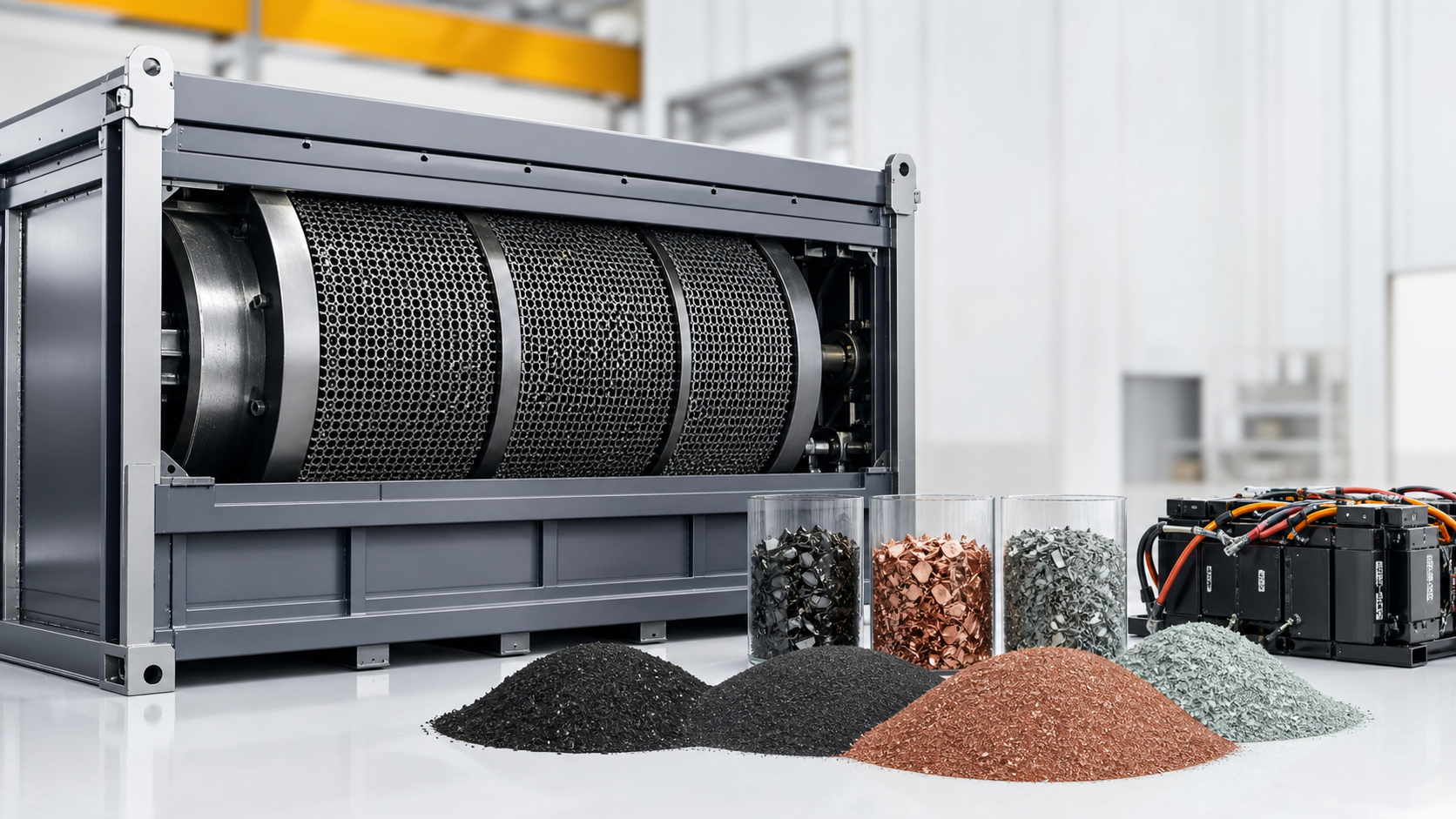
Lithium-ion batteries contain valuable materials that can return to industrial supply chains after recovery and processing. Nickel, cobalt, manganese, lithium and other materials can become important secondary resources for battery and chemical manufacturing.
For procurement teams, stable recycling targets make planning easier because they provide a clearer indication of the regulatory direction. Suppliers can assess future demand while recyclers can continue developing recovery capacity around established requirements.
What the European Commission Review Found
The European Commission reviewed the performance of the battery recycling framework and determined that there were no grounds to revise the existing recycling targets. The assessment received technical support from the JRC, which evaluated the relevant evidence behind the policy review.
The decision effectively maintains the current direction of European battery recycling policy rather than introducing new targets at this stage.
For businesses operating across Europe, continuity can be strategically important. Manufacturers and recyclers can continue aligning their investments, contracts and material sourcing strategies with the existing framework instead of preparing for an immediate regulatory reset.
Recycling Targets Strengthen the Secondary Materials Market
A stable regulatory framework can encourage greater investment in battery collection, treatment and material recovery. As recycling infrastructure expands, recovered materials can become a more significant part of industrial raw material supply.
This creates several implications for chemical and battery supply chains:
Recovered metals can gain strategic importance. Greater recycling activity can increase the flow of secondary nickel, cobalt, lithium and manganese into downstream markets.
Recycling infrastructure can support supply diversification. Companies may gain another source of battery-related materials alongside conventional mining and refining supply chains.
Procurement strategies may become more circular. Buyers can increasingly evaluate primary and recycled material streams when planning long-term requirements.
European processing capacity may become more valuable. Local recycling and refining infrastructure can reduce reliance on distant supply chains for selected materials.
The impact will vary by material, technology and recycling process. However, the continued recycling targets establish a regulatory foundation for companies building their strategies around recovered battery materials.
What the Decision Means for Nickel and Cobalt Supply
Nickel and cobalt remain strategically relevant to several battery chemistries and therefore deserve attention from chemical procurement teams. Recycling can provide a route for these materials to re-enter industrial production after batteries reach the end of their useful life.
For buyers sourcing battery-related chemicals, this could increase the importance of understanding both primary and secondary supply channels. Products such as nickel sulfate and cobalt compounds sit within broader material ecosystems connected to cathode production and battery manufacturing.
The policy decision does not automatically determine commodity prices. Market prices still respond to production levels, battery chemistry trends, mining activity, refining capacity, inventories and regional demand.
However, maintaining recycling targets can reinforce expectations that Europe will continue developing a more circular battery materials market. Traders who understand these connections can better assess future opportunities across primary chemicals, recycled feedstocks and refined battery materials.
How Procurement Teams Should Read the Policy Signal
The absence of regulatory changes gives procurement professionals a useful planning signal. Instead of preparing for an immediate revision of recycling obligations, businesses can continue working within the existing framework while monitoring implementation across European markets.
Several procurement priorities deserve attention:
Supplier diversification: Companies should avoid relying entirely on one geographical source for critical battery-related chemicals and metals.
Material traceability: As recycled content and circular supply chains gain importance, buyers may need stronger visibility into where materials originate and how suppliers process them.
Long-term contracts: Stable policy conditions can make longer-term supply discussions easier, particularly for materials linked to battery manufacturing.
Recycled material capabilities: Procurement teams should evaluate suppliers that can provide consistent secondary materials alongside conventional supply.
Regulatory monitoring: Maintaining awareness of European implementation decisions remains important even when the headline targets stay unchanged.
This approach allows buyers to treat regulation as part of supply chain planning rather than as a separate compliance exercise.
Europe's Recycling Infrastructure Faces a Bigger Test Ahead
Keeping the existing targets does not mean the battery recycling market has reached maturity. The practical challenge now shifts toward implementation, collection, processing capacity and the ability of industry to recover valuable materials efficiently.
Battery technologies also continue to evolve. Different chemistries contain different combinations and quantities of valuable materials, which can affect the economics of recycling.
This creates a moving commercial environment for chemical traders. A recycling facility designed around one material profile may face different economics as battery manufacturers adjust their technology mix.
For suppliers, the opportunity lies in following these changes closely. Demand may shift between battery-related chemicals as manufacturers optimize performance, cost and material availability.
Circular Supply Chains Could Reshape European Trade
The continued recycling targets support a broader movement toward circular material flows in Europe. Instead of treating used batteries solely as waste, the industry can increasingly view them as sources of recoverable industrial materials.
This can create new relationships between several parts of the value chain:
Battery manufacturers can connect with recycling operators to improve material recovery.
Recyclers can supply recovered materials to refiners and chemical processors.
Chemical suppliers can serve manufacturers that require refined battery-grade inputs.
Traders can connect regional buyers with international sources while helping diversify supply.
The result is a more interconnected market in which waste management, chemical manufacturing and commodity trading increasingly overlap.
For importers and exporters, this means market knowledge will extend beyond traditional chemical trade flows. Understanding European recycling policy can help identify demand changes before they become visible through conventional commodity indicators.
What Could Influence Battery Material Demand Next
The Commission's decision removes one source of immediate uncertainty, but several market forces will continue to influence battery materials.
Battery production growth remains a major factor because higher output can increase demand for chemical and metal inputs. At the same time, improvements in battery technology can alter the quantity and type of materials required for each unit of capacity.
Recycling efficiency will also matter. Better recovery technologies can increase the amount of usable material returning to the supply chain, potentially changing the balance between primary and secondary resources.
Energy costs, transportation expenses and refining capacity can further influence the commercial attractiveness of recovered materials. Procurement teams therefore need to assess recycling policy alongside broader industrial and commodity conditions.
The Bottom Line for Procurement Teams
The European Commission's decision to keep the existing battery recycling targets provides a clearer regulatory path for businesses operating across the battery value chain. For chemical traders, recyclers and procurement managers, the message is straightforward: Europe's commitment to battery recycling remains an active part of the market framework.
Businesses can use this stability to strengthen supplier networks, monitor recovered material availability and build procurement strategies that account for both primary and recycled resources.
The strongest opportunities may emerge for companies that connect regulatory awareness with practical supply chain planning. As Europe's battery ecosystem develops, access to reliable chemicals and recovered materials will remain central to competitiveness.
Ready to source Nickel Sulphate Hexahydrate from verified global suppliers? Explore competitive offers on our platform today.
Source:
https://data.consilium.europa.eu/doc/document/ST-13060-2026-INIT/en/pdf

Nickel Sulphate Hexahydrate
Found this useful?