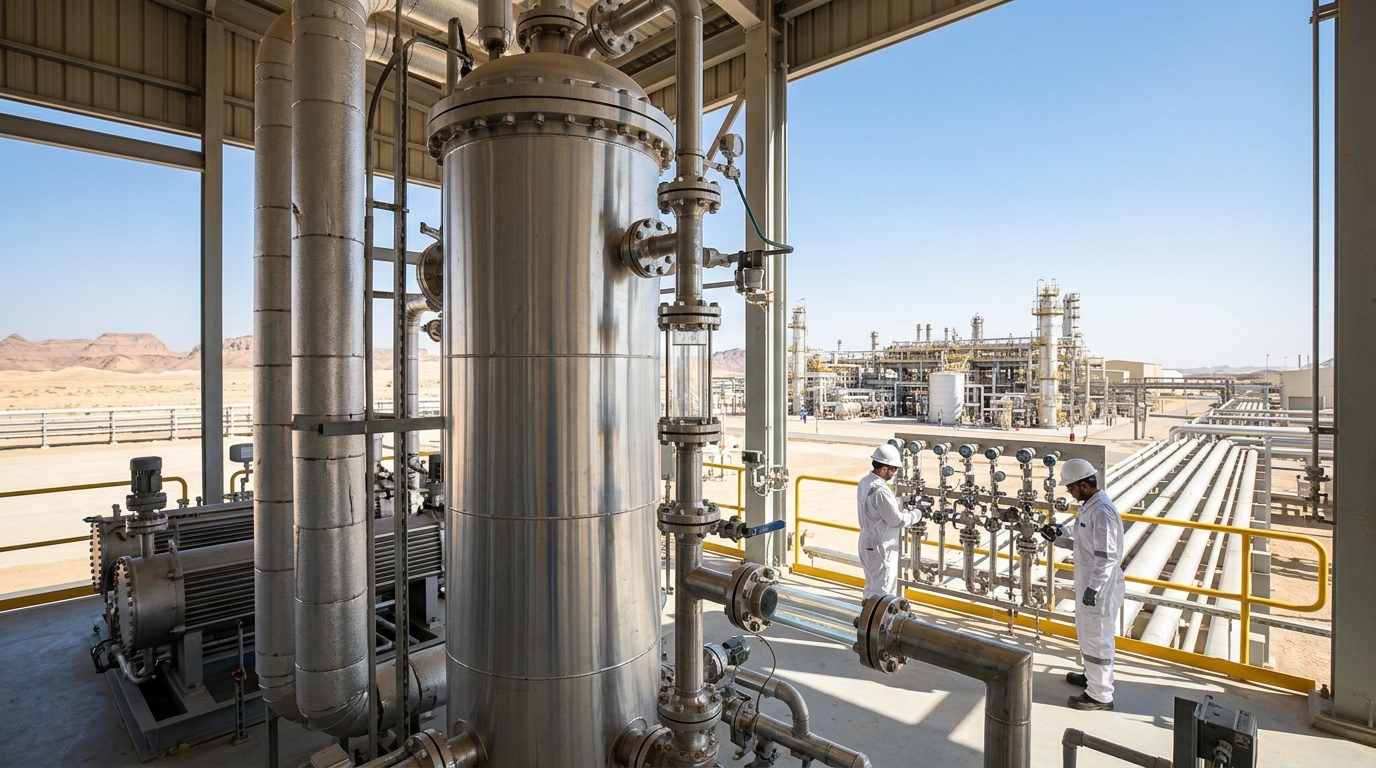
Bulk Chemical Storage: Choosing the Right Tanks and Containment Systems
Bulk Chemical Storage: Choosing the Right Tanks and Containment Systems
Bulk chemical storage is a critical part of industrial operations, supporting the handling of raw materials, intermediates and finished chemical products. Chemical manufacturers, petrochemical facilities, pharmaceutical companies and distribution terminals depend on reliable storage systems to maintain product quality, ensure operational continuity and prevent environmental contamination.
Selecting the right storage tank involves more than determining the required capacity. Chemical compatibility, operating temperature, pressure, corrosion resistance, site conditions and regulatory requirements all influence the design. Equally important is the selection of a suitable secondary containment system to manage leaks, spills and accidental releases.
For industrial operators, choosing an appropriate combination of storage tanks and containment infrastructure is essential for safe and efficient chemical management.
Understanding Bulk Chemical Storage Requirements
Bulk chemical storage refers to storing large quantities of chemicals in dedicated tanks, vessels or other industrial storage systems. These installations may be located above ground, underground or within specialised storage facilities.
Commonly stored materials include:
Acids and alkalis
Organic solvents
Industrial oils and lubricants
Petrochemical feedstocks
Liquid fertilisers
Resins and chemical intermediates
Water-treatment chemicals
Industrial cleaning agents
Each chemical has specific physical and chemical properties that affect storage requirements. For example, corrosive chemicals may require specialised tank materials, while volatile solvents may require vapour-management and fire-protection measures.
Before selecting a tank, operators should establish the chemical's identity, concentration, density, viscosity, vapour pressure, temperature range and compatibility with potential construction materials.
Types of Bulk Chemical Storage Tanks
The appropriate tank type depends on the chemical being stored, required capacity, operating conditions and installation environment.
1. Carbon Steel Storage Tanks
Carbon steel tanks are widely used in industrial facilities because of their mechanical strength, availability and suitability for many bulk storage applications.
Typical applications include:
Petroleum products
Industrial oils
Certain solvents
Chemical feedstocks
Selected non-corrosive liquids
However, carbon steel is not suitable for every chemical. Corrosion can occur when the stored material reacts with the tank surface or when moisture and contaminants are present.
Protective coatings, linings, corrosion allowances and inspection programmes may be required depending on the chemical and operating environment.
2. Stainless Steel Storage Tanks
Stainless steel tanks are used where corrosion resistance, cleanliness and product integrity are important.
Common applications include:
Pharmaceutical ingredients
Food and beverage processing chemicals
Speciality chemicals
Certain organic solvents
High-purity industrial liquids
Different stainless steel grades offer different levels of corrosion resistance. Selection should account for the chemical concentration, temperature, chloride content and cleaning requirements.
Stainless steel should not be assumed to be universally corrosion-proof. Compatibility must be evaluated for the actual service conditions.
3. Fiberglass-Reinforced Plastic Tanks
Fiberglass-reinforced plastic (FRP) tanks combine a polymer resin system with reinforcing fibres to provide a lightweight storage structure.
They can be suitable for selected corrosive chemicals, including certain acids and water-treatment chemicals.
Their performance depends on resin selection, chemical concentration, temperature, manufacturing quality and structural design. A resin suitable for one chemical may deteriorate when exposed to another.
4. Polyethylene and HDPE Tanks
Polyethylene and high-density polyethylene (HDPE) tanks are commonly used for storing compatible aqueous chemicals and selected corrosive liquids.
Potential applications include:
Sodium hydroxide solutions
Certain acids
Water-treatment chemicals
Fertiliser solutions
Industrial detergents
These tanks offer corrosion resistance for many applications, but temperature limits, chemical permeation, ultraviolet exposure and mechanical loading must be considered.
5. Double-Walled Storage Tanks
Double-walled tanks contain an inner primary tank and an outer protective wall. The space between the walls can provide a location for leak detection and help prevent an unnoticed release from reaching the surrounding environment.
They are used in applications where additional leak protection is required, including certain underground and aboveground storage installations.
The interstitial space should be equipped with a suitable monitoring arrangement where required by the design and applicable regulations.
Key Factors When Selecting a Chemical Storage Tank
Tank selection should be based on the chemical's properties and the conditions under which the storage system will operate.
Chemical Compatibility
Material compatibility is one of the most important selection criteria.
A tank material that performs well with one chemical may corrode, soften, swell or deteriorate when exposed to another. Compatibility should be evaluated using reliable manufacturer data, chemical-resistance references and engineering assessments.
Important considerations include:
Chemical identity and concentration
Operating temperature
Exposure duration
Presence of impurities
Potential chemical reactions
Cleaning and maintenance agents
The compatibility of gaskets, seals, valves, coatings, linings and connecting pipes should also be checked.
Storage Capacity and Future Demand
The required tank capacity should reflect current consumption, delivery schedules, production requirements and expected future demand.
Oversized tanks can increase capital costs, unused inventory and the consequences of a potential release. Undersized tanks may create frequent deliveries, production interruptions and operational constraints.
Capacity planning should also consider usable working volume, required operating space, freeboard and overfill-prevention arrangements.
Temperature and Pressure Conditions
Some chemicals require temperature control to maintain stability, viscosity or handling characteristics.
Tank selection should account for:
Minimum and maximum operating temperatures
Ambient temperature variation
Thermal expansion
Heating or cooling requirements
Operating and design pressure
Vacuum conditions where applicable
A tank designed for atmospheric storage should not be used under pressurised or vacuum conditions unless it has been specifically engineered and approved for those conditions.
Corrosion Protection
Corrosion can reduce tank wall thickness, weaken structural components and eventually cause leakage.
Depending on the material and service, protection may involve:
Corrosion-resistant construction materials
Internal coatings or linings
External protective coatings
Corrosion monitoring
Inspection and thickness measurements
Suitable maintenance programmes
The selected protection system should be compatible with the stored chemical and the expected operating conditions.
Understanding Secondary Containment Systems
Secondary containment provides an additional protective barrier around primary storage equipment. Its purpose is to collect or control leaked material before it spreads into surrounding areas, soil, groundwater or drainage systems.
The appropriate containment design depends on the chemical's hazards, tank arrangement, site layout and applicable environmental requirements.
1. Concrete Bunds and Diked Areas
Concrete bunds and diked areas are commonly used around aboveground chemical storage tanks.
They create an enclosed space that can collect liquid released from a tank or associated equipment.
Important design considerations include:
Chemical resistance of the concrete and lining
Structural integrity
Impermeability
Drainage arrangements
Access for inspection and maintenance
Capacity for the credible release scenario
Concrete containment should be protected against chemical attack where necessary. Cracks, damaged joints and deteriorated coatings can reduce its effectiveness.
2. Double-Walled Containment Systems
Double-walled tanks provide primary storage and an additional outer barrier within one installation.
Leak detection can be installed in the space between the walls to help identify failures before product reaches the environment.
These systems may be useful where site space is limited or where a compact storage arrangement is preferred. Their suitability depends on chemical compatibility, design requirements and applicable regulations.
3. Spill Pallets and Modular Containment Units
Spill pallets and modular containment systems are commonly used for smaller bulk containers, intermediate bulk containers and chemical drums.
They are available in materials such as polyethylene and steel, with different designs for corrosive liquids, oils and other substances.
Selection should consider:
Chemical compatibility
Container arrangement
Load-bearing capacity
Required containment volume
Indoor or outdoor installation
Forklift and handling requirements
4. Remote Containment and Drainage Systems
Some facilities use drainage trenches, collection sumps or remote impoundment systems to direct spills away from storage areas into a designated collection point.
These systems require careful engineering to ensure that released chemicals are safely confined and cannot reach stormwater drains or uncontrolled discharge points.
Drainage valves and collection areas should be managed through documented operating procedures.
How to Determine Secondary Containment Capacity
Containment capacity should be calculated using the applicable regulations and the facility's site-specific risk assessment.
For example, under the U.S. EPA's Spill Prevention, Control, and Countermeasure (SPCC) requirements, covered bulk oil storage installations generally require secondary containment for the entire capacity of the largest single container, with sufficient freeboard for precipitation.
This is a U.S. oil-storage regulatory requirement, not a universal sizing rule for every chemical tank or jurisdiction.
When designing containment, engineers should consider:
Capacity of the largest tank
Potential simultaneous releases where relevant
Rainfall accumulation
Displacement from foundations and equipment
Firewater or firefighting runoff where relevant
Drainage and isolation arrangements
Chemical compatibility of the containment surface
Calculations should be documented so that the design basis can be reviewed and verified.
Safety Features for Bulk Chemical Storage Systems
A properly designed storage installation should include safety features appropriate to the chemical and operating conditions.
Overfill Prevention
Overfilling can cause chemical releases, equipment damage and worker exposure.
Depending on the installation, controls may include:
Continuous level indicators
High-level alarms
Independent high-high-level switches
Automatic filling shut-off systems
Clearly defined filling procedures
Transfer operations should be monitored, with clear communication between delivery personnel and facility operators.
Leak Detection and Monitoring
Leak detection systems help identify failures in tanks, pipelines and secondary containment.
Available approaches include interstitial monitoring, liquid sensors, pressure or vacuum monitoring and visual inspection.
The monitoring method should suit the tank design and chemical properties.
Venting and Pressure Protection
Storage tanks require appropriate venting and pressure or vacuum protection based on their design and operating conditions.
Venting systems may need to account for normal filling and emptying, thermal effects and other process conditions.
For volatile or hazardous chemicals, vapour-management requirements should also be assessed.
Fire and Emergency Protection
Flammable and reactive chemicals may require additional safeguards, such as suitable separation distances, hazardous-area electrical equipment, fire protection, emergency isolation and spill-response arrangements.
The required measures depend on chemical properties, storage quantity, facility layout and applicable fire and process-safety codes.
Inspection and Maintenance of Chemical Storage Tanks
Regular inspection helps identify deterioration before it leads to leakage or equipment failure.
An inspection programme should cover the tank, foundations, supports, nozzles, valves, pipe connections and containment structures.
Typical inspection activities include:
Checking for corrosion, cracks and deformation
Examining coatings and linings
Reviewing tank foundations and supports
Checking valves, gaskets and connections
Testing relevant alarms and monitoring devices
Inspecting bund walls and containment floors
Reviewing leak-detection records
Maintaining inspection and repair documentation
Inspection frequency and testing methods should be established according to tank design, service conditions, risk and applicable standards.
Regulatory and Industry Standards
Bulk chemical storage systems may be subject to several regulatory and engineering frameworks. Requirements vary by country, chemical classification, tank type and storage capacity.
Relevant examples include:
API 650: Welded tanks for oil storage, where applicable to the tank's design and service.
API 620: Design and construction of large, welded, low-pressure storage tanks, where applicable.
API 653: Inspection, repair, alteration and reconstruction of applicable aboveground storage tanks.
NFPA 30: Flammable and combustible liquids code, where applicable.
U.S. EPA SPCC Rule, 40 CFR Part 112: Oil spill prevention and secondary containment requirements for covered facilities.
OSHA Process Safety Management, 29 CFR 1910.119: Applies to covered processes involving specified highly hazardous chemicals.
These references do not automatically apply to every chemical storage installation. Engineers and operators should confirm the relevant editions, scope and local legal requirements before selecting a design.
Best Practices for Choosing Tanks and Containment Systems
A structured selection process can help industrial operators avoid costly design changes and reduce operational risks.
Identify the stored chemical: Confirm its composition, concentration, physical properties and hazards.
Assess material compatibility: Evaluate the tank, lining, seals, valves and piping materials.
Define operating conditions: Establish capacity, temperature, pressure and transfer requirements.
Select the tank configuration: Compare steel, stainless steel, FRP, polyethylene and double-walled options.
Design secondary containment: Assess credible release scenarios and applicable regulatory capacity requirements.
Include safety systems: Provide suitable overfill protection, leak detection, venting and emergency isolation.
Plan inspections: Establish inspection, testing and maintenance requirements.
Review environmental controls: Assess drainage, spill response, wastewater and emergency containment.
Maintain documentation: Keep design calculations, material specifications, inspection records and operating procedures.
Supporting Safer and More Efficient Chemical Storage
Bulk chemical storage is a long-term investment that affects plant safety, product quality, environmental performance and operating costs.
The right tank must be compatible with the stored chemical and suitable for its operating conditions. The containment system must provide an effective additional barrier against leaks and accidental releases. Together, these systems help facilities manage chemical inventories while reducing the potential consequences of equipment failure.
By combining sound engineering design, appropriate material selection, reliable monitoring and regular maintenance, industrial operators can build storage systems that support safer and more dependable chemical operations.
Sources:
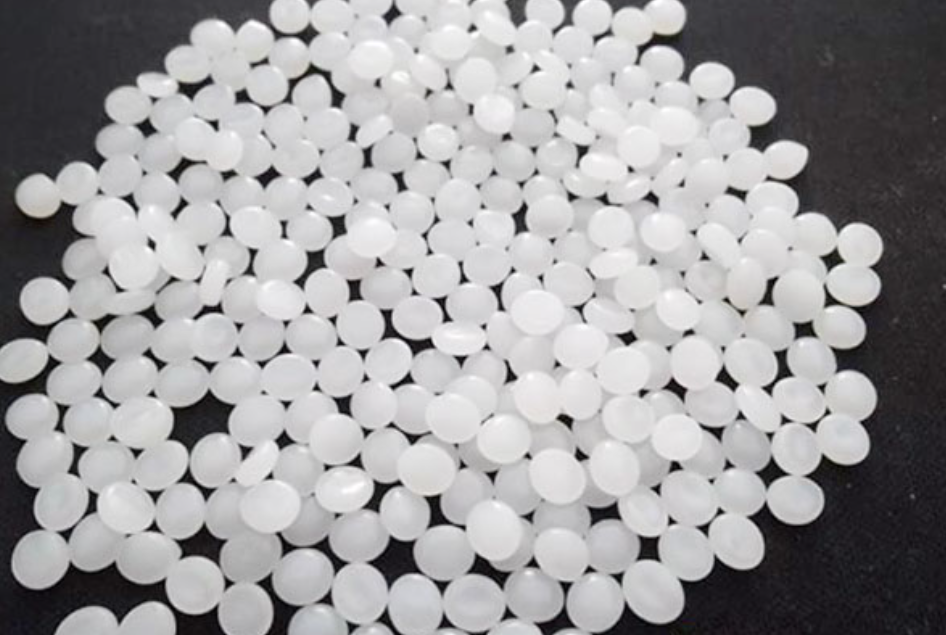
High Density Polyethylene (HDPE)
Found this useful?