Bulk Chemical Transportation: Safety, Packaging and Shipping Considerations
Bulk Chemical Transportation: Safety, Packaging and Shipping Considerations
Bulk chemical transportation is an essential part of the global chemical supply chain. Manufacturers, distributors, importers, and industrial buyers depend on reliable transportation to move large quantities of liquid, solid, and gaseous chemicals between production facilities, warehouses, ports, and end users.
However, transporting chemicals involves more than selecting a truck or shipping container. Each substance has specific handling, packaging, storage, and transportation requirements. Incorrect packaging, poor labeling, unsuitable equipment, or inadequate safety procedures can result in leaks, contamination, fires, environmental damage, and serious health risks.
A well-managed chemical logistics process combines appropriate packaging, trained personnel, suitable transport equipment, emergency planning, and compliance with the regulations applicable to each shipment.
Common Methods of Bulk Chemical Transportation
The transportation method depends on the chemical's physical state, hazard classification, quantity, destination, and compatibility with the transport equipment.
1. Road Tankers
Road tankers are commonly used to transport liquid chemicals between manufacturing plants, storage terminals, warehouses, and industrial customers. Depending on the chemical, tankers may require stainless steel, coated steel, or specially designed materials to prevent corrosion and contamination.
2. Rail Tank Cars
Rail transportation is suitable for moving large quantities of chemicals over long distances. It can support high-volume supply chains, particularly where chemical production facilities and distribution terminals are connected by rail infrastructure.
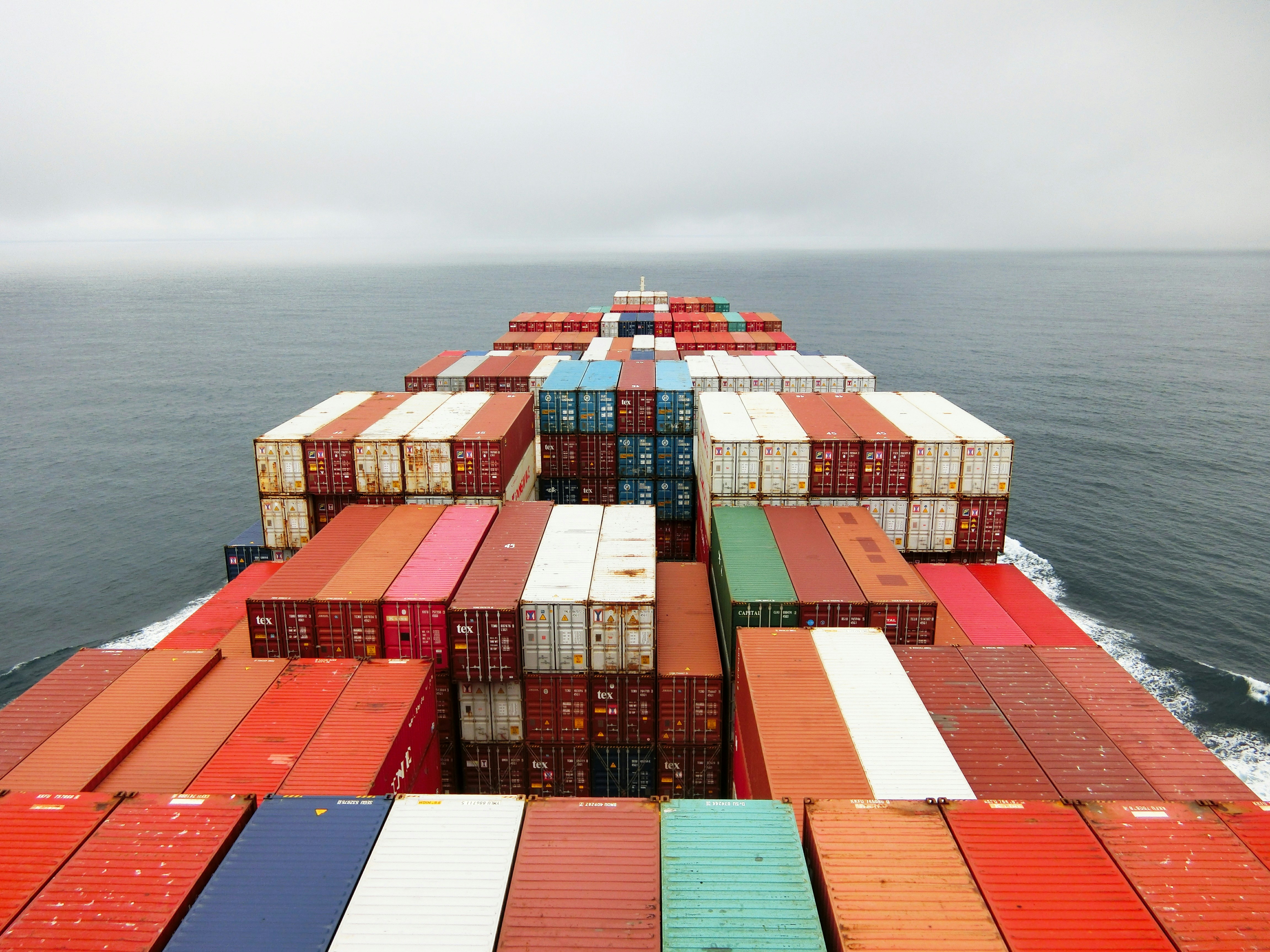
3. Chemical Tankers and Cargo Ships
Chemical tankers transport large volumes of liquid chemicals through international shipping routes. Their tank design, construction, equipment, and permitted cargoes must match the hazards and requirements of the chemicals being carried. The International Maritime Organization's International Bulk Chemical (IBC) Code establishes standards for the safe carriage of specified chemicals in bulk by sea.
4. Intermediate Bulk Containers (IBCs) and Drums
IBCs, drums, and other approved packages are used when chemicals need to be transported in smaller quantities or separated into individual consignments. These options can make storage, handling, and distribution easier for manufacturers and distributors.
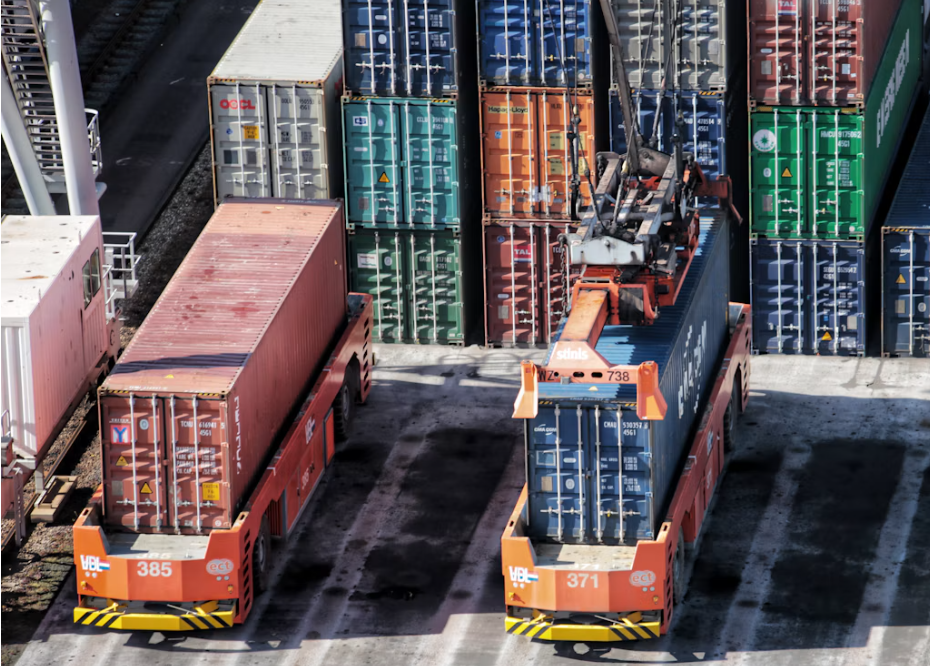
5. ISO Tank Containers
ISO tanks are specialized containers designed for intermodal transportation of liquids. They can move between road, rail, and sea transport, reducing the need to transfer the chemical between different containers during a journey. Their suitability depends on the chemical's properties and the tank's specifications.
Chemical Packaging Options and Their Importance
Packaging is one of the most important factors in chemical transportation. The selected packaging must be compatible with the chemical and capable of withstanding expected handling and transport conditions.
Packaging type | Common application | Key consideration |
|---|---|---|
Chemical drums | Smaller liquid chemical shipments | Material compatibility and leak prevention |
IBCs | Medium-volume liquid shipments | Approved design, capacity, and handling |
ISO tanks | Large-volume liquid transport | Chemical compatibility and tank specifications |
Bulk tankers | High-volume liquid chemicals | Tank construction, cleaning, and inspection |
Bulk bags | Suitable dry powders and granules | Moisture protection and containment |
Specialized gas cylinders | Compressed or liquefied gases | Pressure rating, valves, and approved handling |
Not every container is suitable for every chemical. Packaging selection should be based on the substance's classification, concentration, physical properties, compatibility, and applicable dangerous-goods requirements. The International Maritime Dangerous Goods (IMDG) Code and road-transport regulations provide detailed provisions for relevant packaging, marking, labeling, and handling requirements.
Essential Safety Considerations in Bulk Chemical Transportation
Chemical transportation requires preventive measures at every stage, from loading at the manufacturing site to unloading at the final destination.
1. Chemical Classification and Identification
Before transportation, the shipper must identify the chemical and determine its relevant transport classification. Important information includes:
Proper shipping name and UN number, where applicable
Hazard class and subsidiary risks, where applicable
Packing group, if assigned
Physical and chemical properties
Relevant handling and storage precautions
The Safety Data Sheet (SDS) is an important reference for understanding chemical hazards, safe handling, storage, and emergency measures.
2. Packaging Compatibility
Packaging materials must be suitable for the chemical being transported. For example, corrosive substances may damage unsuitable metals, while certain solvents can affect plastics, seals, and coatings. Buyers and logistics providers should confirm compatibility before filling containers.
3. Leak Prevention and Equipment Inspection
Tanks, valves, hoses, seals, closures, and connections should be inspected before loading and unloading. Damaged equipment, faulty valves, and poorly secured connections can lead to chemical releases during transit.
4. Temperature and Pressure Control
Some chemicals require specific temperature conditions to maintain stability or prevent dangerous pressure changes. Transport equipment may need insulation, heating, cooling, ventilation, or pressure-control systems, depending on the product.
5. Segregation of Incompatible Chemicals
Chemicals that can react dangerously with one another must be separated according to applicable transport requirements. Oxidizing agents, flammable materials, acids, alkalis, and other reactive substances require careful compatibility assessment.
6. Personal Protective Equipment (PPE)
Personnel involved in loading, unloading, and handling should use PPE appropriate to the chemical's hazards. Depending on the substance, this may include chemical-resistant gloves, protective clothing, goggles, face shields, and respiratory protection.
7. Emergency Preparedness
Transport operators should have procedures for dealing with leaks, spills, fires, exposure, and other emergencies. Emergency contacts, suitable response equipment, and access to relevant safety information should be established before dispatch.
Shipping Documentation and Regulatory Compliance
Chemical shipments require accurate documentation to support safe handling, customs clearance, and regulatory compliance. Requirements vary according to the chemical, transport mode, and countries involved.
Common documents and records include:
Safety Data Sheet (SDS): Provides information about hazards, handling, storage, and emergency response.
Dangerous Goods Declaration: Required for applicable dangerous-goods shipments under the relevant transport rules.
Commercial Invoice: Identifies the goods, seller, buyer, and commercial value.
Packing List: Describes the packages, quantities, and shipment details.
Bill of Lading: Serves as a transport document for applicable sea shipments.
Certificate of Analysis (COA): Provides batch-specific product quality information when required by the buyer.
Transport permits and approvals: Required for certain substances, routes, vehicles, or operations.
Important International Regulations
Regulation or framework | Main purpose |
|---|---|
IMDG Code | Safe maritime transportation of dangerous goods in packaged form |
International Bulk Chemical (IBC) Code | Construction, equipment, and safe carriage requirements for chemical tankers |
ADR | International road transportation of dangerous goods across participating countries |
U.S. DOT / PHMSA regulations | Hazardous materials transportation requirements in the United States |
IATA Dangerous Goods Regulations | Dangerous goods transportation by air |
The IMDG Code covers packaged dangerous goods transported by sea, while the IBC Code addresses specified chemicals carried in bulk on chemical tankers. ADR establishes requirements for international road transport of dangerous goods.
Key Shipping Considerations for Chemical Suppliers and Buyers
Beyond safety and regulatory compliance, efficient chemical transportation depends on proper planning and coordination between suppliers, freight forwarders, carriers, and receiving facilities.
1. Selecting the Right Transport Mode
The shipping method should match the chemical's physical state, quantity, destination, and delivery requirements. Liquid chemicals may require tankers or ISO tanks, while packaged chemicals may be transported in drums, IBCs, or other approved packaging.
2. Route Planning
Transport companies should evaluate road conditions, distance, border requirements, port facilities, and restrictions on hazardous cargo. Routes should also consider access to emergency services and suitable stopping locations.
3. Loading and Unloading Facilities
Industrial facilities should have appropriate loading bays, pumps, hoses, transfer connections, and spill-control arrangements. Receiving facilities must also have sufficient storage capacity and equipment to unload the shipment safely.
4. Cargo Tracking and Shipment Monitoring
Tracking systems help businesses monitor shipment progress, identify delays, and coordinate deliveries. For chemicals requiring controlled conditions, temperature and pressure monitoring may also be necessary.
5. Container Cleaning and Contamination Prevention
Reusable tanks and containers must be cleaned and inspected according to the chemical's requirements before being used for another product. Residues from previous cargoes can contaminate subsequent shipments or create dangerous reactions.
6. Insurance and Risk Management
Businesses should assess cargo insurance, carrier liability, environmental exposure, and emergency response arrangements. The appropriate coverage depends on the chemical, shipment value, transport mode, and contractual responsibilities.
Common Challenges in Bulk Chemical Transportation
Despite improvements in logistics and transport equipment, chemical shipping companies face several operational challenges.
Regulatory differences: International shipments may pass through countries with different transport and documentation requirements.
Packaging failures: Incorrect or damaged packaging can result in leaks, contamination, and product loss.
Transportation delays: Port congestion, customs procedures, and route restrictions can disrupt delivery schedules.
Chemical incompatibility: Improper cleaning or mixing of incompatible substances can create serious safety risks.
High logistics costs: Specialized vehicles, tank containers, insurance, and safety procedures can increase shipping expenses.
Environmental risks: Accidental releases can affect soil, water, air quality, and nearby communities.
Addressing these challenges requires qualified logistics partners, suitable equipment, documented procedures, and regular inspections.
Best Practices for Safer Chemical Shipping
Chemical manufacturers, distributors, and logistics companies can improve transportation operations by following these practices:
Verify the chemical classification and review the latest SDS before dispatch.
Select packaging and transport equipment approved for the specific substance.
Inspect tanks, containers, valves, and connections before loading.
Ensure that personnel receive appropriate dangerous-goods and handling training.
Use correct shipping documents, markings, and hazard labels.
Establish procedures for spills, leaks, and other transportation emergencies.
Monitor shipment conditions when temperature or pressure control is necessary.
Maintain records of inspections, cleaning, maintenance, and deliveries.
For international maritime shipments, businesses should also check the applicable IMDG Code edition. Amendment 42-24 became mandatory on 1 January 2026.
Building a Reliable Chemical Transportation Supply Chain
Bulk chemical transportation is a critical link between chemical production and industrial consumption. Safe packaging, suitable transport equipment, accurate documentation, and trained handling personnel help protect products, workers, communities, and the environment.
For chemical suppliers and buyers, choosing a logistics partner should involve more than comparing freight rates. Equipment suitability, regulatory knowledge, inspection procedures, shipment visibility, and emergency preparedness are equally important.
As international chemical trade continues to depend on complex supply networks, businesses that prioritize transportation safety and operational reliability are better positioned to reduce shipment risks and maintain consistent deliveries.
https://www.imo.org/en/ourwork/environment/pages/chemicalpollution-default.aspx?

Activated Carbon (Powder) - China
Found this useful?