

Paint and Coating Additives: Improving Durability, Appearance and Performance
Biodegradable Polymers in Healthcare: Applications in Medical Devices and Drug Delivery
Biodegradable polymers are transforming healthcare by enabling medical materials and drug delivery systems that gradually break down inside the body or under specific biological conditions. These materials are increasingly used in surgical devices, implants, wound-care products, tissue engineering, and controlled-release medicines.
Unlike conventional polymers that may remain in the body for extended periods, biodegradable polymers are designed to degrade over a defined period through processes such as hydrolysis or enzymatic activity. Depending on their composition and application, their degradation products may be absorbed, metabolized, or eliminated by the body.
Growing interest in minimally invasive procedures, advanced therapeutics, and patient-specific medical solutions is driving research and development in biodegradable polymer technology. However, successful healthcare applications depend on more than biodegradability. Biocompatibility, mechanical performance, degradation behaviour, material purity, and regulatory compliance are all essential considerations.
What Are Biodegradable Polymers?
Biodegradable polymers are polymeric materials that can break down through chemical or biological processes under defined conditions. In healthcare, they are selected and engineered to provide temporary structural support, controlled drug release, or a suitable environment for tissue repair before degrading.
These materials can be derived from natural sources or manufactured through chemical synthesis.
Natural Biodegradable Polymers
Natural polymers are obtained from biological sources and are widely studied for their compatibility with biological systems.
Examples include:
Chitosan: A material derived from chitin, investigated for wound dressings, tissue engineering, and drug delivery.
Alginate: A polysaccharide used in hydrogels, wound-care materials, and controlled-release systems.
Collagen: A naturally occurring protein used in tissue engineering, wound healing, and regenerative medicine.
Hyaluronic acid: A biopolymer used in medical formulations, tissue engineering, and drug delivery applications.
Synthetic Biodegradable Polymers
Synthetic biodegradable polymers offer greater flexibility in controlling molecular structure, mechanical properties, and degradation behaviour.
Important examples include:
Polylactic Acid (PLA): Used in medical implants, sutures, tissue scaffolds, and drug delivery systems.
Polyglycolic Acid (PGA): Known for relatively rapid degradation and applications in absorbable surgical sutures.
Poly(lactic-co-glycolic acid) (PLGA): Widely studied and used in controlled drug-release formulations and biodegradable implants.
Polycaprolactone (PCL): A flexible polymer with a relatively slow degradation rate, used in tissue engineering and drug delivery.
Polydioxanone (PDO): Used in absorbable medical devices, including certain surgical sutures.
The selection of a polymer depends on the intended medical function, required service life, degradation profile, and biological environment.
Applications in Medical Devices
1. Absorbable Surgical Sutures
One of the established applications of biodegradable polymers is the production of absorbable surgical sutures. Materials such as PGA, PLA-based copolymers, and polydioxanone are used to manufacture sutures that provide temporary wound support.
After surgery, these materials gradually degrade, reducing or eliminating the need for a separate procedure to remove the stitches. Their degradation rate and mechanical strength must be appropriate for the tissue and healing period.
2. Orthopedic Implants and Fixation Devices
Biodegradable polymers are also used in selected orthopedic applications, including screws, pins, plates, and fixation devices.
These products can provide temporary support during bone healing and gradually degrade as the treated tissue recovers. PLA, PGA, and related copolymers have been investigated and used in different bioresorbable orthopedic applications.
Material selection requires careful consideration of mechanical strength, degradation time, tissue response, and the loads experienced by the implant.
3. Tissue Engineering Scaffolds
Tissue engineering uses biodegradable polymer scaffolds to support cell attachment, growth, and tissue development.
These structures provide a temporary framework that can gradually degrade as new tissue forms. PLA, PLGA, PCL, collagen, and other polymeric materials are used in research and development of scaffolds for bone, cartilage, skin, and other tissue applications.
Manufacturing techniques such as electrospinning, freeze-drying, solvent casting, and 3D printing allow researchers to control scaffold structure, porosity, and mechanical characteristics.
4. Wound Dressings and Regenerative Materials
Biodegradable polymers are increasingly investigated for advanced wound-care products. Chitosan, alginate, collagen, PLA, and PCL-based materials can be processed into films, hydrogels, membranes, and fibrous structures.
These materials may help maintain a suitable moisture environment, protect the wound, and support tissue repair. Some formulations can also incorporate antimicrobial agents or other active compounds.
The performance of a wound dressing depends on its absorption capacity, flexibility, biocompatibility, degradation characteristics, and suitability for the type of wound.
5. Cardiovascular and Other Temporary Devices
Biodegradable polymers are being developed for specialized cardiovascular and other temporary medical devices, including selected bioresorbable scaffolds and stent-related technologies.
Their purpose is to provide temporary mechanical support while reducing the need for a permanent implant. However, these applications involve demanding requirements for mechanical integrity, degradation control, and interaction with surrounding tissues.
Not every biodegradable polymer is suitable for cardiovascular use. Each device requires application-specific testing and regulatory evaluation.
Applications in Drug Delivery Systems
Biodegradable polymers have an important role in modern drug delivery because they can control how medicines are released over time.
Instead of delivering the entire drug dose immediately, polymer-based systems can be designed to release an active ingredient gradually or at a selected location.
1. Controlled and Sustained Drug Release
PLGA, PLA, and PCL are commonly studied materials for controlled-release drug delivery systems. They can be processed into microspheres, nanoparticles, implants, and other drug-loaded structures.
As the polymer matrix degrades, the encapsulated drug is released over time. The release profile depends on several factors, including polymer composition, molecular weight, particle size, drug properties, and degradation rate.
Controlled-release formulations may reduce the frequency of administration and help maintain drug concentrations over a longer period.
2. Injectable Drug Delivery Systems
Biodegradable polymer microspheres and nanoparticles can be formulated for injectable drug delivery.
PLGA-based microspheres, for example, are used in certain long-acting pharmaceutical products. These formulations can provide sustained release and may reduce the need for frequent injections.
The design of injectable systems requires careful control of particle size, drug loading, release behaviour, stability, and manufacturing consistency.
3. Targeted Drug Delivery
Biodegradable polymer nanoparticles are being researched for delivering therapeutic agents to specific tissues or cells.
Their surfaces can be modified with targeting molecules or other functional groups to influence how they interact with biological systems. This approach is being explored in areas such as cancer treatment, inflammatory diseases, and specialized therapeutic delivery.
However, targeted delivery performance depends on the formulation, biological environment, and clinical application. Research results do not automatically establish clinical effectiveness.
4. Localized Drug Delivery
Biodegradable implants and polymer-based delivery devices can release medicines near a treatment site.
This approach is useful in applications where localized treatment may help reduce systemic exposure. Polymer implants can be designed to release active ingredients over a defined period as the material gradually degrades.
Key Quality Requirements for Healthcare Applications
Biodegradable polymers used in medical devices and drug delivery systems must meet strict quality and performance requirements. Their suitability cannot be determined by biodegradability alone.
1. Biocompatibility
Biocompatibility refers to the ability of a material to perform its intended function without causing unacceptable biological effects.
Depending on the application, testing may evaluate:
Cytotoxicity
Irritation and sensitization
Local tissue response
Systemic toxicity
Hemocompatibility, where blood contact is relevant
Effects of degradation products
The type and extent of testing depend on the nature and duration of contact with the body.
2. Controlled Degradation Rate
The degradation rate must match the intended medical function. A surgical suture needs to retain adequate strength during early wound healing, while a drug delivery implant must release its therapeutic ingredient at a suitable rate.
Factors influencing degradation include polymer composition, molecular weight, crystallinity, geometry, processing conditions, and the surrounding biological environment.
For example, the lactide-to-glycolide ratio and molecular weight can influence the degradation and release characteristics of PLGA.

3. Mechanical Strength and Stability
Medical devices must maintain sufficient strength and structural integrity throughout their intended service period.
Orthopedic fixation devices require mechanical support during healing, while sutures need suitable tensile strength and flexibility. Tissue scaffolds must provide an appropriate structure for cell growth and tissue development.
Manufacturers must assess mechanical performance before and during degradation to ensure that the material remains suitable for its intended use.
4. Chemical Purity and Residual Contaminants
Chemical purity is particularly important because impurities may affect biological safety, product stability, and manufacturing consistency.
Potential contaminants include:
Residual monomers
Polymerization catalysts
Residual solvents
Processing additives
Unreacted reagents
Degradation-related impurities
Appropriate analytical testing and manufacturing controls help ensure that these substances remain within justified specifications.
5. Sterilization Compatibility
Many biodegradable medical devices and drug delivery products require sterilization before use. However, sterilization can affect polymer molecular weight, mechanical properties, surface characteristics, and degradation behaviour.
Methods such as ethylene oxide, gamma irradiation, and electron-beam sterilization may have different effects depending on the polymer and product design.
Manufacturers must validate the selected sterilization method and demonstrate that the final product continues to meet its safety and performance specifications.
Regulatory and Quality Considerations
Biodegradable polymer-based medical products are subject to regulatory requirements that depend on their intended purpose, design, and classification.
ISO 10993: Biological Evaluation of Medical Devices
The ISO 10993 series provides a framework for evaluating the biological safety of medical devices. It addresses areas such as biological risk assessment, cytotoxicity, irritation, sensitization, and other endpoints relevant to the device's nature and duration of contact.
For biodegradable materials, the evaluation should also consider degradation products and potential biological effects over time.
ISO 13485: Medical Device Quality Management
ISO 13485 specifies quality management system requirements for organizations involved in medical device design, manufacturing, and related activities.
It supports controlled production, documentation, risk management, supplier controls, and processes intended to ensure that medical devices consistently meet applicable requirements.
FDA Requirements
In the United States, medical devices and drug products containing biodegradable polymers are regulated according to their intended use and applicable product requirements.
Manufacturers may need to provide evidence relating to material characterization, biocompatibility, degradation, sterilization, manufacturing controls, and product performance.
A polymer's use in one cleared or approved product does not automatically establish approval for every other formulation or medical application.
Pharmaceutical Quality Requirements
When biodegradable polymers are used as components in drug delivery products, pharmaceutical quality considerations also apply. These may include material specifications, impurity control, batch consistency, stability, drug-release performance, and appropriate manufacturing controls.
The regulatory pathway depends on whether the product is regulated as a drug, medical device, combination product, or another category.
Challenges in Biodegradable Polymer Development
Despite their potential, biodegradable polymers present several technical and commercial challenges.
Balancing Degradation and Performance
A polymer may degrade too quickly to provide sufficient mechanical support or too slowly for the intended application. Achieving the correct balance requires careful control of polymer chemistry, structure, and processing.
Variability in Material Properties
Differences in molecular weight, monomer ratios, crystallinity, and residual impurities can affect product performance. Manufacturers need consistent raw materials and controlled production processes to reduce batch-to-batch variation.
Sterilization and Shelf-Life Limitations
Some biodegradable polymers are sensitive to heat, moisture, radiation, or other environmental conditions. These sensitivities can complicate sterilization, packaging, and storage.
Stability studies are therefore important for determining suitable shelf life and storage conditions.
Manufacturing Scale-Up
Laboratory-scale polymer formulations may not behave identically during commercial production. Maintaining consistent particle size, polymer characteristics, drug loading, and release profiles can become more difficult as manufacturing volumes increase.
Cost and Regulatory Complexity
Specialized polymer synthesis, purification, analytical testing, and regulatory documentation can increase development costs. Medical-grade materials also require controlled manufacturing and quality systems appropriate to their intended use.
Future Developments in Biodegradable Healthcare Polymers
Research into biodegradable polymers continues to expand across regenerative medicine, personalized implants, advanced wound care, and long-acting drug delivery.
Three-dimensional printing is enabling the development of patient-specific structures with controlled geometries and material properties. Electrospinning is supporting the production of fibrous scaffolds and wound-care materials, while polymer nanoparticles and microspheres are being investigated for more sophisticated drug-release systems.
New materials and copolymers, including poly(L-lactide-co-ε-caprolactone) (PLCL), are also attracting research interest in wound healing, cardiovascular applications, nerve repair, and drug delivery.
These developments highlight the growing importance of polymer chemistry, material engineering, and pharmaceutical formulation expertise in healthcare innovation. As research advances, successful commercialization will depend on demonstrating consistent quality, biological safety, reliable performance, and compliance with the regulatory requirements of each intended application.
Sources:
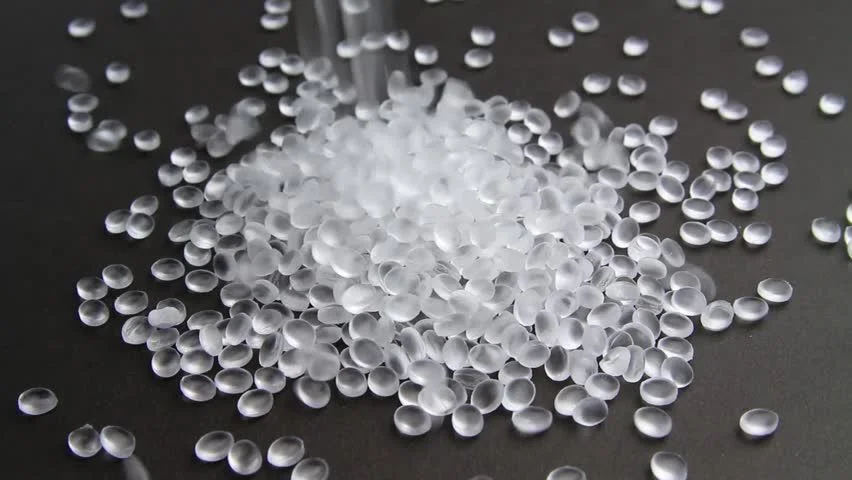
Polymethyl Methacrylate
Found this useful?