
California's A.B. 1603 Debate Highlights Regulatory Balancing Act on Chemicals
BASF's portfolio restructuring is changing more than its ownership and business mix. Divestitures can also reshape a chemical company's regulatory compliance footprint by transferring manufacturing assets, products, registrations, environmental obligations, and customer documentation responsibilities to new owners.
BASF's divestiture activity involving Carlyle therefore provides a useful lens for understanding how chemical-sector portfolio changes can affect regulatory responsibilities across manufacturing and supply chains.
For food ingredient and specialty-ingredient businesses, the issue is particularly relevant because regulatory compliance extends beyond the manufacturing site to product specifications, permitted uses, documentation, traceability, and customer requirements.

Why Divestitures Change Compliance Footprints
When a chemical business changes ownership, regulatory responsibilities can also change.
Potential areas affected include:
Environmental permits
Product registrations
Chemical inventories
Safety documentation
Manufacturing-site compliance
Waste-management obligations
Product stewardship
Customer certifications
Regulatory reporting
The exact responsibilities depend on the transaction structure, jurisdiction, products, and assets transferred.
Food ingredient supply chains commonly rely on products such as Citric Acid, Glycerin, Sorbitol, Propylene Glycol, Xanthan Gum, and Sodium Benzoate, where regulatory documentation, product specifications, food-grade status, and traceability are important parts of supplier qualification.
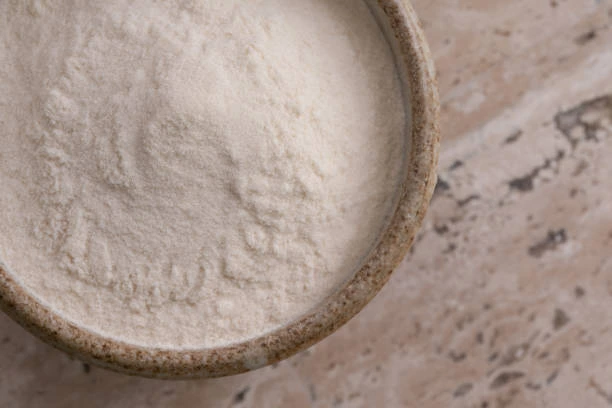
Xanthan Gum (E415)
The Portfolio Restructuring Connection
BASF has been actively reviewing its portfolio to focus capital and resources on businesses where it sees stronger strategic value.
Divestitures can allow companies to:
1. Focus Compliance Resources
A narrower portfolio can make it easier to concentrate regulatory expertise on strategic businesses.
2. Transfer Asset-Level Responsibilities
A new owner may assume responsibility for permits, site operations, environmental management, and product stewardship associated with acquired assets.
3. Simplify Product Portfolios
Removing non-core businesses can reduce the number of products, markets, and regulatory frameworks a company needs to manage directly.
4. Reshape Supply Chains
Customers may need to update supplier records, documentation, specifications, and approved-source lists following ownership changes.
Relevance to Food Ingredients
Food ingredient supply chains operate under particularly detailed compliance requirements.
Depending on the ingredient and market, companies may need to manage:
Food-grade specifications
Food-contact requirements
Safety documentation
Ingredient approvals
Allergen information
Traceability
Quality certifications
Import documentation
Manufacturing-site information
A change in ownership can therefore create administrative and qualification work for downstream customers even when the underlying product remains unchanged.
Market Implications
Chemical divestitures can have several implications for customers and suppliers.
Potential effects include:
Changes to legal manufacturer information
Updated technical documentation
New supplier qualification requirements
Changes in manufacturing locations
Revised product stewardship contacts
Changes to certificates and declarations
Potential changes in sourcing strategy
For specialty ingredients, customers may need to confirm that the new ownership structure does not alter product specifications, manufacturing processes, certifications, or regulatory status.
Competitive Intelligence
Portfolio restructuring can also provide useful intelligence about where chemical companies see future strategic value.
Companies tracking the sector should monitor:
1. Divestitures
Which businesses are being sold?
2. Acquisitions
Which specialty categories are attracting buyers?
3. Manufacturing Assets
Which plants are changing ownership?
4. Regulatory Assets
Which registrations, permits, and product portfolios move with the transaction?
5. Strategic Focus
Are companies moving toward specialty, formulation-intensive, or higher-margin categories?
These signals can help identify future changes in chemical-sector supply structures.

Procurement Considerations
Food ingredient and specialty-chemical buyers should include regulatory continuity in their supplier-transition planning.
After a divestiture, procurement teams should verify:
Current manufacturer identity
Product specifications
Certificates of analysis
Regulatory documentation
Food-grade status where applicable
Manufacturing location
Quality certifications
Safety documentation
Product traceability
Continuity of supply
For critical ingredients, customers should also confirm whether any documentation, approval, or supplier-qualification process needs to be repeated.
Looking Ahead
BASF's Carlyle-related divestiture activity illustrates how portfolio restructuring can extend beyond financial and strategic considerations.
As chemical companies simplify portfolios and transfer non-core assets, the regulatory responsibilities associated with those businesses can also move between organizations.
For food ingredient and specialty-chemical buyers, this makes regulatory continuity an important part of transaction intelligence.
The key question is not simply who owns a chemical business after a divestiture, but whether the transaction changes the manufacturing, documentation, certification, regulatory, and supply-chain framework supporting the products customers depend on.
Key Takeaways
Chemical divestitures can reshape regulatory responsibilities alongside ownership structures.
Manufacturing permits, product stewardship, documentation, and environmental obligations may change hands.
Food ingredient customers can face additional supplier-qualification and documentation requirements after ownership changes.
Regulatory continuity should be included in procurement risk assessments.
Divestitures also provide intelligence about where major chemical companies are concentrating or reducing strategic focus.
Tracking ownership changes alongside manufacturing assets can help buyers anticipate supply-chain and compliance changes.
Found this useful?