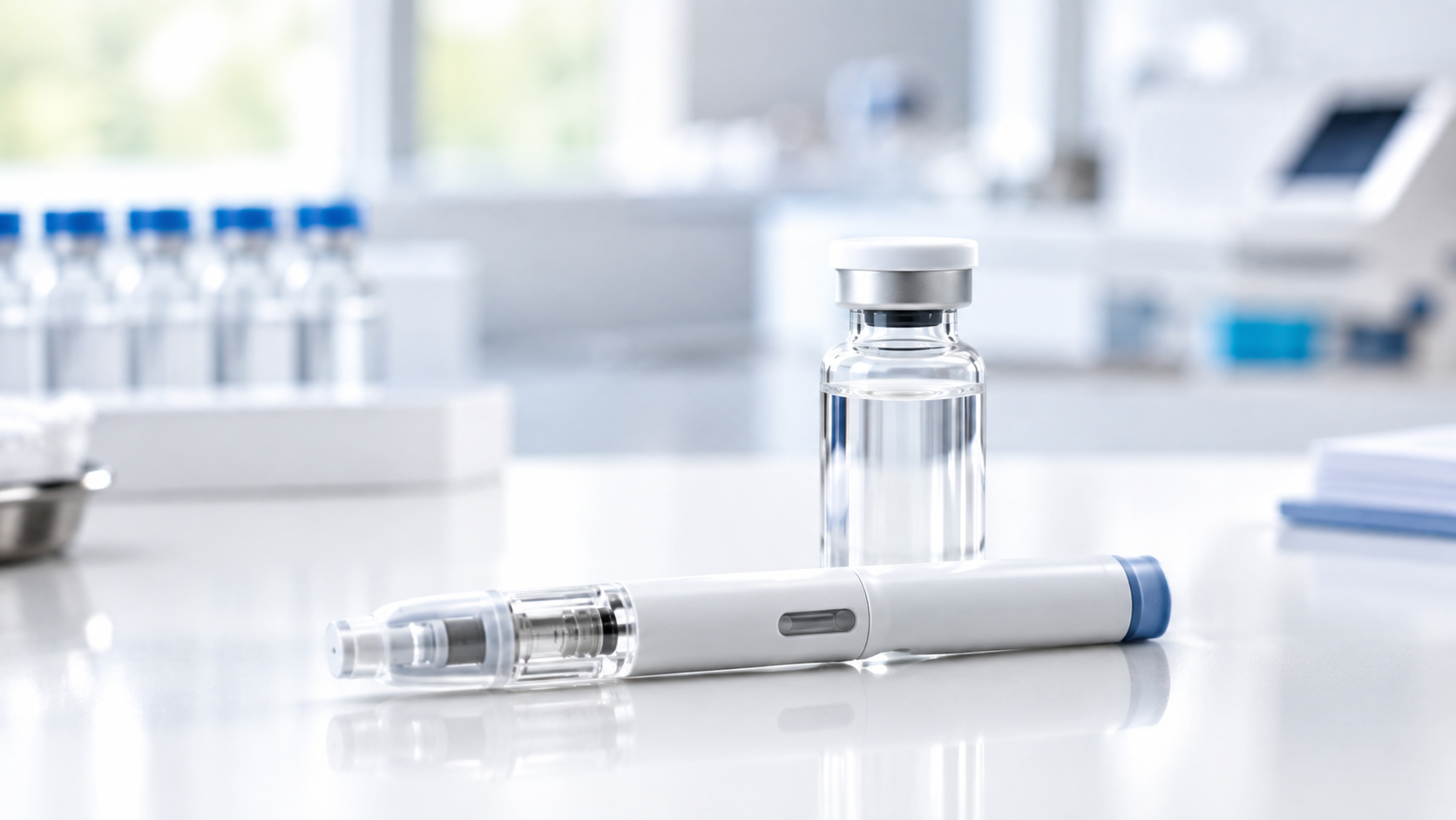
Merck’s KEYTRUDA QLEX Approved in Japan for Subcutaneous Use
Japan has approved Merck’s KEYTRUDA QLEX for subcutaneous use, creating a new option for delivering pembrolizumab through a faster administration route. The approval marks the first subcutaneous immune-checkpoint inhibitor approval in Japan and introduces a delivery approach that can take as little as one minute.
For pharmaceutical procurement teams, the development extends beyond a new administration format. It highlights the growing importance of injectable drug delivery technologies, pharmaceutical-grade ingredients and supply chains capable of supporting more convenient treatment options without changing the established therapeutic profile of pembrolizumab.
What KEYTRUDA QLEX Means for Drug Delivery
KEYTRUDA QLEX is designed to deliver pembrolizumab through subcutaneous administration rather than the conventional intravenous route. The approach can significantly shorten administration time, with delivery possible in as little as one minute.
The formulation provides exposure and response comparable to IV pembrolizumab. This allows the subcutaneous format to build on the established use of pembrolizumab while introducing a different route for administration.
The Japanese approval is particularly significant because it represents the first approval of a subcutaneous immune-checkpoint inhibitor in the country. It also demonstrates how pharmaceutical companies continue to pursue formulation and delivery innovations alongside the development of new medicines.
Why Subcutaneous Administration Matters in Japan
Administration time plays an important role in the practical delivery of injectable medicines. A treatment that requires less administration time can influence how healthcare facilities organize treatment areas, allocate staff and manage patient flow.
KEYTRUDA QLEX brings several operational considerations into focus:
Shorter administration: The treatment can be delivered in as little as one minute, potentially reducing the time associated with administration compared with an intravenous infusion.
Alternative delivery route: Subcutaneous administration provides another way to deliver pembrolizumab to eligible patients.
Comparable exposure and response: The subcutaneous formulation maintains exposure and response comparable to IV pembrolizumab.
Healthcare workflow: Faster administration can support more efficient use of treatment spaces and clinical resources.
For procurement managers, these changes can affect more than the finished pharmaceutical product. They can also increase attention on the consistency, quality and availability of ingredients used in specialized injectable formulations.
The Pharmaceutical Supply Chain Behind Injectable Formulations
A finished injectable medicine depends on a complex network of raw material suppliers, pharmaceutical manufacturers, quality-control laboratories, packaging providers and logistics operators.
Every input must meet the specifications established for the intended pharmaceutical application. Procurement teams therefore need to consider product quality alongside availability, documentation and supply continuity.
For materials used in pharmaceutical manufacturing, buyers commonly evaluate factors such as:
Purity and specification: Raw materials must meet defined quality requirements appropriate for pharmaceutical production.
Batch consistency: Consistent material characteristics help manufacturers maintain reproducible formulation and production processes.
Documentation: Certificates of analysis, technical specifications and relevant quality documentation support supplier qualification.
Supply reliability: Stable sourcing can reduce the risk of interruptions in pharmaceutical manufacturing schedules.
Logistics capability: Temperature requirements, packaging standards, transit times and customs procedures can all influence the reliability of international supply.
The development of KEYTRUDA QLEX reinforces the importance of maintaining dependable supply channels as pharmaceutical companies expand advanced injectable delivery formats.

Pharmaceutical-Grade Ingredients and Procurement Priorities
Specialized injectable formulations require close control over the characteristics of their constituent materials. Even when a finished medicine represents the primary commercial focus, the supporting raw material supply chain remains an essential part of manufacturing reliability.
For chemical traders and pharmaceutical buyers, pharmaceutical-grade materials can offer opportunities to support manufacturers seeking consistent inputs for formulation and production. The focus should remain on specifications, quality systems and the intended application of each material.
USP or BP grade materials, where applicable, can be relevant to pharmaceutical manufacturing because buyers often require recognized quality standards for ingredients used in regulated applications. Procurement teams should match the material specification to the manufacturer's approved formulation requirements rather than selecting solely on price.
Supplier qualification also becomes more important when a material supports a critical pharmaceutical manufacturing process. A reliable supplier should be able to provide consistent specifications and appropriate documentation across recurring shipments.
What the Japan Approval Signals for Injectable Drug Markets
The approval of KEYTRUDA QLEX illustrates a broader movement toward improving the practical delivery of established therapies. Pharmaceutical innovation does not always require a completely new active pharmaceutical ingredient. Reformulation and alternative administration routes can also create meaningful changes in how medicines reach patients.
Subcutaneous delivery can offer practical advantages where the formulation and therapeutic characteristics support the approach. The ability to administer treatment in as little as one minute places administration efficiency at the center of the development.
For chemical and pharmaceutical supply-chain participants, this trend can increase attention on materials that support formulation innovation. Manufacturers may continue evaluating technologies that improve handling, administration time and overall production efficiency while maintaining the required quality standards.
Procurement Challenges for Advanced Injectable Products
Introducing or expanding a specialized injectable formulation can place additional demands on procurement operations. Pharmaceutical manufacturers need dependable material availability while maintaining strict quality controls.
Several challenges deserve particular attention:
Supplier qualification: New suppliers may need to pass detailed technical and quality assessments before becoming approved sources.
Specification control: Small differences in raw material characteristics can affect formulation performance, making specification management essential.
Supply continuity: Interruptions in a critical ingredient can affect production schedules and downstream pharmaceutical availability.
International trade: Cross-border shipments require careful coordination of customs documentation, packaging and delivery schedules.
Quality documentation: Buyers need complete and consistent documentation to support internal quality systems and regulatory requirements.
Chemical traders serving pharmaceutical customers can strengthen their value proposition by combining competitive commercial terms with dependable documentation and supply support.
Opportunities for Global Chemical Traders
The pharmaceutical sector creates demand for suppliers that understand the requirements of regulated manufacturing environments. A product catalogue alone may not be enough when buyers need material traceability, consistent specifications and dependable logistics.
For exporters and importers, pharmaceutical-grade chemicals can represent a specialized market where supplier reliability becomes a major purchasing consideration. Buyers may evaluate suppliers based on their ability to provide recurring quantities without compromising agreed specifications.
Traders can also support procurement teams by maintaining clear information on:
Product grade and purity
Available packaging formats
Country of origin
Batch documentation
Lead times
Minimum order quantities
Shipping and handling capabilities
This information helps procurement professionals compare sourcing options more efficiently and identify suppliers capable of supporting long-term pharmaceutical manufacturing requirements.
Looking Ahead to Faster Pharmaceutical Administration
KEYTRUDA QLEX adds a new dimension to pembrolizumab delivery in Japan by combining subcutaneous administration with exposure and response comparable to IV pembrolizumab. Its potential to be delivered in as little as one minute places administration efficiency alongside therapeutic consistency.
For procurement teams, the development highlights the importance of looking beyond the finished medicine and understanding the supply infrastructure that supports advanced pharmaceutical formulations. Reliable chemical suppliers can play a role by providing consistent materials, appropriate grades and dependable international sourcing.
As pharmaceutical manufacturers continue developing alternative delivery formats, procurement strategies will need to balance cost, quality, documentation and supply continuity. Ready to source pembrolizumab formulation ingredients from verified global suppliers? Explore competitive offers on our platform today.
Source:
https://chemxplore.com/news/keytruda-qlex-approved-japan-subcutaneous

Refined Glycerine 99.5% Min
Found this useful?