California's Genomatica Ends Its Independent Run After Nearly Three Decades
California’s Genomatica Ends Its Independent Run After Nearly Three Decades
Introduction
After nearly three decades as an independent industrial biotechnology company, California-based Genomatica (Geno) has entered a new chapter following its acquisition by Danish industrial biotech company Again.
Announced on August 12, 2026, the transaction brings together Genomatica’s expertise in computational biology, AI-driven discovery, and biological pathway design with Again’s capabilities in industrial-scale biomanufacturing. The combination represents a significant consolidation within the industrial biotechnology sector and could reshape how biological technologies are developed and commercialized.
Genomatica’s Nearly Three-Decade Journey
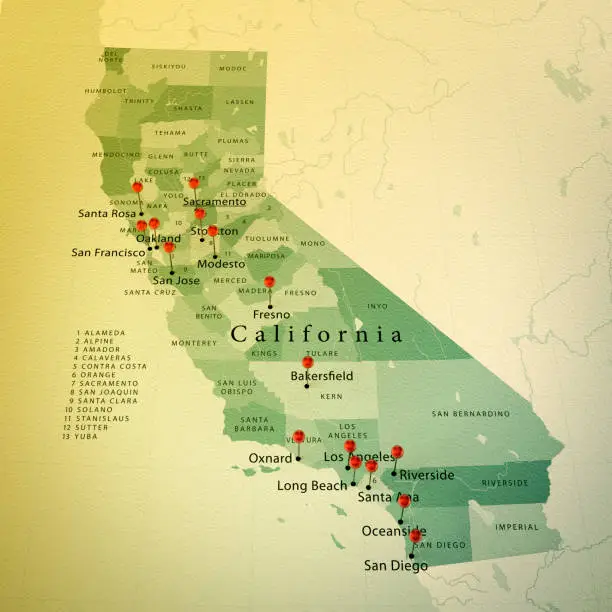
Founded in 1998 in San Diego, California, Genomatica was established with the goal of using biotechnology and metabolic engineering to create more sustainable manufacturing processes.
Over the years, the company developed biological routes for producing chemicals and materials that have traditionally relied heavily on fossil-based feedstocks. Its technology portfolio included processes for products such as 1,4-butanediol (BDO) and other bio-based chemical intermediates.
The company eventually moved beyond laboratory-scale research and demonstrated commercial applications of its technology. Its bio-BDO process, for example, was commercialized and licensed to industrial partners, demonstrating that engineered biological systems could be applied to established chemical markets.
From Bio-Based Chemicals to AI-Driven Biotechnology
One of Genomatica’s defining strengths has been its ability to combine computational biology with metabolic engineering.
The company has invested heavily in biological pathway design, developing computational tools and proprietary biological data to identify and optimize organisms capable of producing targeted chemicals.
According to company materials, Genomatica built a substantial intellectual-property portfolio covering biological pathway design, bioprocess engineering, and biological production. Its technology has been used in collaborations involving major companies and applications spanning chemicals, materials, apparel, personal care, and other consumer markets.
This computational foundation is particularly important in the new Again-Geno combination.
Why Again Acquired Genomatica
Again’s acquisition is centered on combining two complementary capabilities.
Again has been developing technologies for large-scale biomanufacturing, including systems designed to convert industrial CO₂ into useful chemical products. Genomatica, meanwhile, brings advanced computational biology and AI-enabled discovery and design capabilities.
Again described the transaction as bringing together its biomanufacturing scale-up capabilities with Genomatica’s AI discovery and design platform. The company expects the combination to create an integrated technology stack spanning biological discovery, design, optimization, and industrial production.
This is important because industrial biotechnology often faces a gap between discovering a promising biological pathway and producing the resulting chemical economically at commercial scale.
The acquisition attempts to address that gap by bringing discovery and manufacturing capabilities under one organization.
What Changes for Genomatica?
The acquisition effectively ends Genomatica’s long period as an independent company, but it does not necessarily mean the end of its technology or scientific capabilities.
Instead, its intellectual property, computational capabilities, biological data, and expertise can become part of Again’s broader industrial biotechnology platform.
This could allow Genomatica’s technologies to gain access to larger-scale manufacturing infrastructure and new industrial feedstocks, while Again gains a deeper computational and biological discovery engine.
The result is a model that could move more quickly from AI-assisted biological design to industrial production.
A Major Consolidation for Industrial Biotechnology
The transaction is significant because it reflects a broader trend in industrial biotechnology.
The sector has traditionally been divided between companies specializing in:
Computational biology
Metabolic engineering
Strain development
Fermentation
Process engineering
Chemical manufacturing
Industrial-scale deployment
The Again-Geno combination brings several of these capabilities together.
Instead of treating biological discovery and industrial manufacturing as separate stages handled by different companies, the combined platform can potentially connect them into a single development pathway.
This could reduce technology-transfer barriers and make it easier to move promising biological processes from research laboratories into commercial production.
Potential Impact on Chemical Manufacturing
The acquisition could have implications beyond biotechnology itself.
Chemical manufacturers are under increasing pressure to reduce fossil-feedstock dependence and lower the carbon intensity of production. Bio-based manufacturing provides one potential pathway, but its commercial success depends on achieving competitive economics, reliable production, and scalable processes.
Genomatica's history in developing bio-based chemical routes gives Again access to experience in targeting established chemical markets. Meanwhile, Again's focus on industrial CO₂ utilization provides an additional route for obtaining carbon feedstocks.
The combined platform could therefore support the development of chemicals produced from alternative carbon sources rather than relying exclusively on conventional fossil feedstocks.
From California Innovation to a Danish Industrial Platform
The transaction also highlights the increasingly international nature of industrial biotechnology.
Genomatica's roots are firmly connected to California's biotechnology and computational biology ecosystem, while Again is headquartered in Denmark and has been building an international industrial biotechnology footprint.
The acquisition connects these two ecosystems.
California has long been a major center for biotechnology, software, computational research, and venture-backed innovation. Denmark, meanwhile, has developed strong capabilities in biotechnology, industrial fermentation, engineering, and sustainable manufacturing.
Combining these strengths could give the resulting organization a broader technological and geographic base.
What It Means for the Industrial Biotech Market
The acquisition sends an important signal to the industrial biotechnology market: scale and integration are becoming increasingly important.
Developing a biological process is only the first step. Companies must also demonstrate that the technology can operate reliably, compete economically, secure industrial partners, and reach commercial production.
By combining Genomatica's discovery and design capabilities with Again's manufacturing platform, the companies are attempting to build a more complete industrial biotechnology value chain.
This could encourage further partnerships, acquisitions, and consolidation across the sector as companies seek to combine specialized technologies with industrial-scale infrastructure.
The Road Ahead
The major question now is how effectively Again can integrate Genomatica's technology, people, data, and intellectual property into its existing platform.
The potential is significant, but commercialization will remain the key test. The combined organization will need to demonstrate that faster biological discovery can translate into faster and more economical industrial production.
If successful, the acquisition could create a model for how industrial biotechnology companies evolve from specialized technology developers into fully integrated biological manufacturing platforms.
Conclusion
Genomatica's acquisition by Again marks the end of an independent journey that began in 1998 and lasted almost three decades.
From its origins in computational biology and metabolic engineering to commercial bio-based chemical applications, Genomatica helped establish the potential of biotechnology as an alternative route to conventional chemical manufacturing.
Now, its capabilities are being combined with Again's industrial biomanufacturing platform. The transaction is more than a change in ownership—it represents a strategic effort to connect AI-powered biological discovery with commercial-scale manufacturing.
For the industrial biotechnology industry, the deal could become an important example of how consolidation can bring together complementary technologies and accelerate the transition from biological innovation to industrial production.
Alkalized Reddish Brown Cocoa Powder

Found this useful?