
Can a Psoriasis Biologic and an Obesity Drug Work Better Together?
Can a Psoriasis Biologic and an Obesity Drug Work Better Together?
A new Phase 3b study from Eli Lilly is testing an increasingly important question in chronic disease care: can treating psoriasis and obesity at the same time produce better results than treating psoriasis alone?
The TOGETHER-PsO study evaluated Taltz® (ixekizumab), a biologic used to treat moderate-to-severe plaque psoriasis, together with Zepbound® (tirzepatide), an obesity-management medicine, in adults with psoriasis and overweight or obesity. At 36 weeks, the combination produced significantly better results than Taltz alone for both complete skin clearance and weight reduction.
The Study Connects Two Commonly Overlapping Conditions
Psoriasis is an immune-mediated inflammatory disease that primarily affects the skin but can also be associated with broader health problems. Obesity is relatively common among people living with psoriasis and can complicate disease management.
The TOGETHER-PsO trial enrolled adults with moderate-to-severe plaque psoriasis who also had obesity or overweight plus at least one additional weight-related comorbidity. The average body mass index (BMI) was approximately 39 kg/m², representing a population with a substantial metabolic burden.
Rather than evaluating the two conditions independently, the trial asked whether treating them simultaneously could improve both outcomes.
Taltz and Zepbound Delivered Stronger Results Together
At Week 36, 27.1% of participants receiving Taltz plus Zepbound achieved complete skin clearance (PASI 100) and at least 10% weight loss, compared with 5.8% receiving Taltz alone.
The combination also produced a higher rate of complete skin clearance alone. PASI 100 was achieved by 40.6% of participants receiving the combination compared with 29.0% receiving Taltz monotherapy.
The results suggest that adding obesity treatment may provide benefits beyond weight reduction in people whose psoriasis remains difficult to control.
However, the findings should not be interpreted as evidence that Zepbound is itself a psoriasis treatment. The study specifically evaluated concomitant treatment in a defined patient population, and regulatory-approved uses of the individual medicines remain the relevant basis for treatment decisions.
One-Year Results Show the Benefits Persisted
Follow-up results through Week 52 provided additional support for the combination strategy.
The percentage of patients achieving both complete skin clearance and at least 10% weight loss increased to 30.6% with Taltz plus Zepbound compared with 4.4% with Taltz alone.
Complete skin clearance remained higher with combination treatment, at 40.5% versus 29.1% with Taltz alone. Lilly also reported sustained or further improvements in metabolic measures including BMI, blood pressure, glucose, HbA1c, triglycerides and total cholesterol.
The Week 52 analyses were described by Lilly as prespecified exploratory objectives without multiplicity control, meaning the comparisons should be interpreted cautiously rather than as definitive proof of every reported difference.
New Biomarker Data Point to an Immunometabolic Connection
The latest October 2026 findings provide an explanation researchers are investigating for the clinical results.
Lilly analyzed circulating proteins and gene expression in participants from TOGETHER-PsO. By Week 36, the combination was associated with changes in 482 differentially expressed proteins and 467 differentially expressed genes, compared with 140 proteins and 16 genes in the Taltz-alone group.
The broader response was already apparent by Week 12. Researchers also observed greater reductions in inflammatory immune activity, including changes involving neutrophil-associated markers. Some of these changes appeared to account for part of the additional psoriasis response observed with the combination.
These are exploratory biological findings, however. They help generate hypotheses about how psoriasis and obesity may interact but do not establish a definitive mechanism of action for the combined treatment.
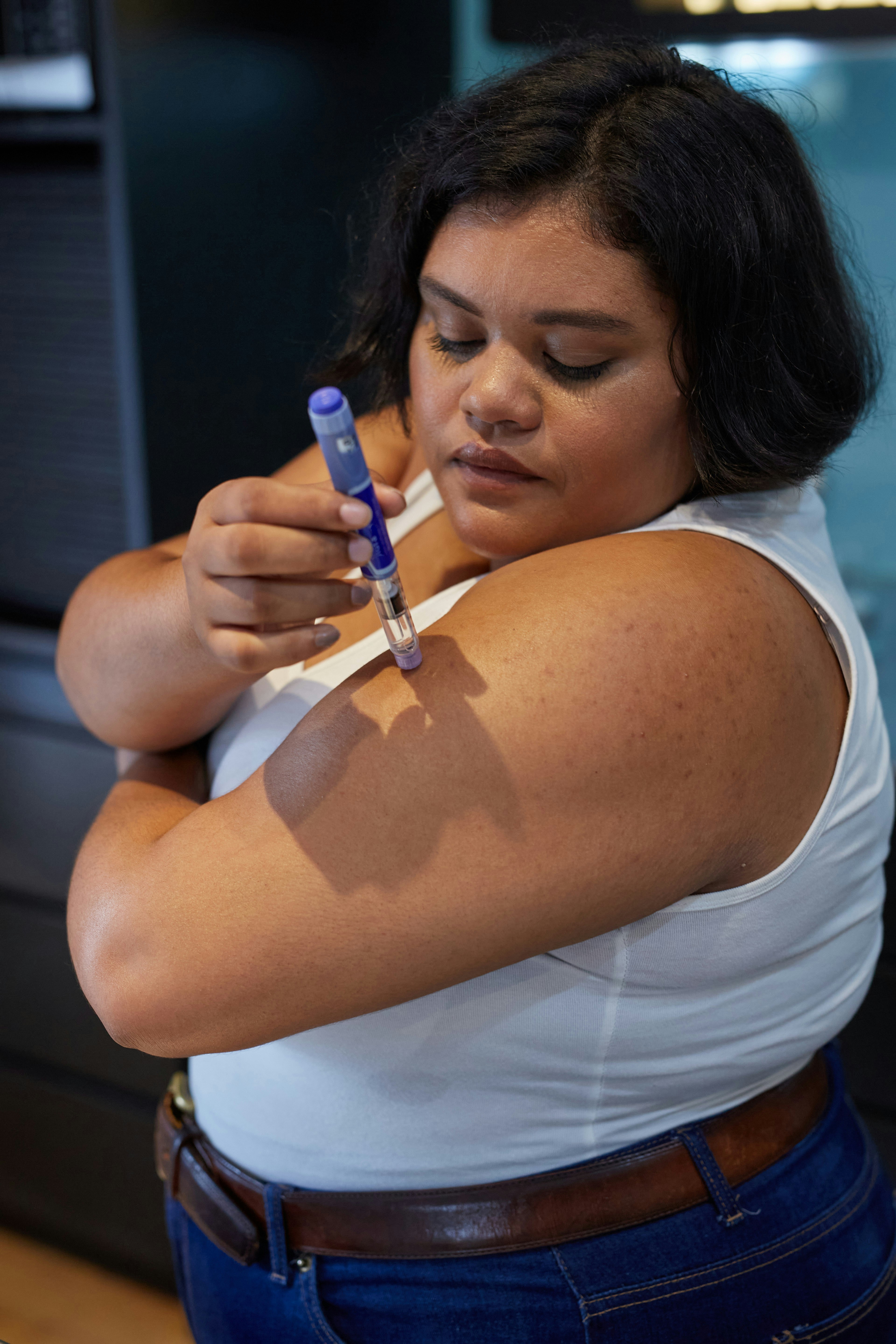
Why Treating Obesity May Matter for Psoriasis
The relationship between psoriasis and obesity is increasingly being examined as part of a broader immunometabolic picture.
Higher body weight can be associated with more difficult-to-treat psoriasis and may influence treatment response. At the same time, psoriasis involves systemic inflammatory processes that extend beyond visible skin lesions.
This creates a potential rationale for addressing both conditions instead of treating them as completely separate problems. The TOGETHER-PsO results provide clinical evidence supporting further investigation of this approach.
The Combination Was Generally Consistent With Known Safety Profiles
In the 36-week study, adverse events in participants receiving both medicines were generally mild to moderate, according to Lilly. Reported events occurring in at least 5% of combination-treatment participants included nausea, diarrhea, constipation, injection-site reactions, vomiting and dizziness.
The study was not designed to establish that combining the medicines is universally appropriate. Doctors would still need to consider a patient's medical history, approved indications, contraindications, potential drug-related risks and other treatments.
What the Findings Could Mean for Future Psoriasis Care
The TOGETHER-PsO results could encourage a broader approach to patients who have both psoriasis and obesity.
Instead of focusing exclusively on skin clearance, future treatment strategies may increasingly consider weight, metabolic health and systemic inflammation alongside dermatological outcomes.
Lilly's findings do not yet establish a new standard of care, but they provide evidence for continued research into combination approaches that address interconnected chronic conditions.
The company is also investigating the same broader concept in psoriatic arthritis through the TOGETHER-PsA programme, where Taltz and Zepbound were evaluated together in people with psoriatic arthritis and obesity or overweight.
Sources:
Benzoic Acid (E210)
Found this useful?