The Shift in Maritime Routes
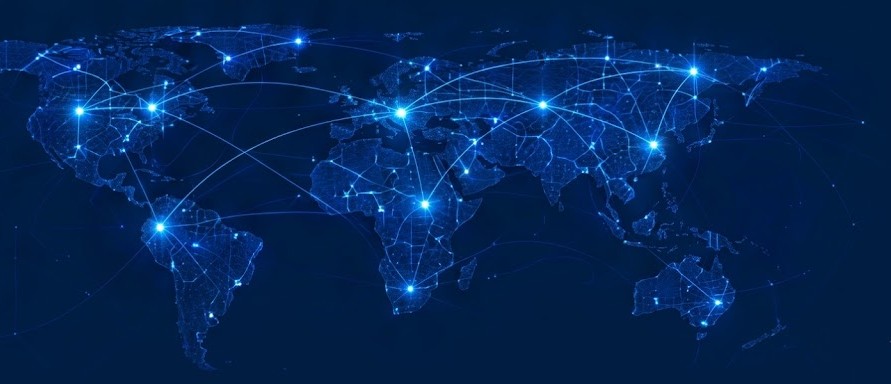
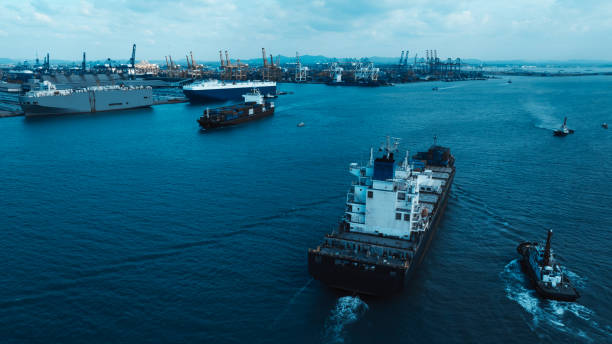
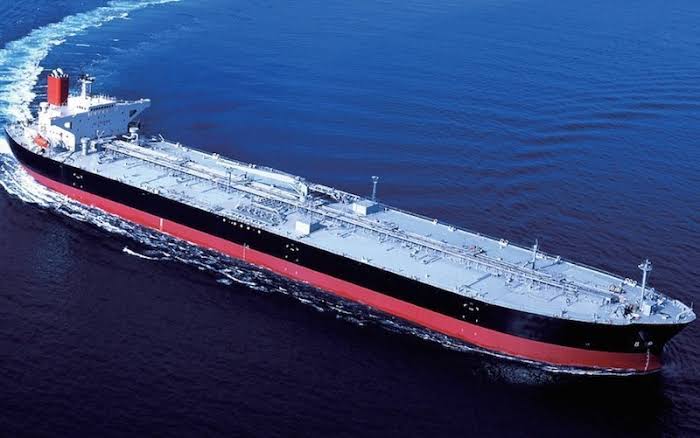
The global shipping industry has long relied on the Red Sea corridor to move goods between Europe and Asia. Recent geopolitical tensions and a spate of security incidents have forced freight operators to rethink this traditional path. As a result, the Cape of Good Hope is gaining prominence as a safer, though longer, alternative for chemical logistics and tanker routing.
Why the Red Sea Became a Hotspot
Geopolitical Tensions
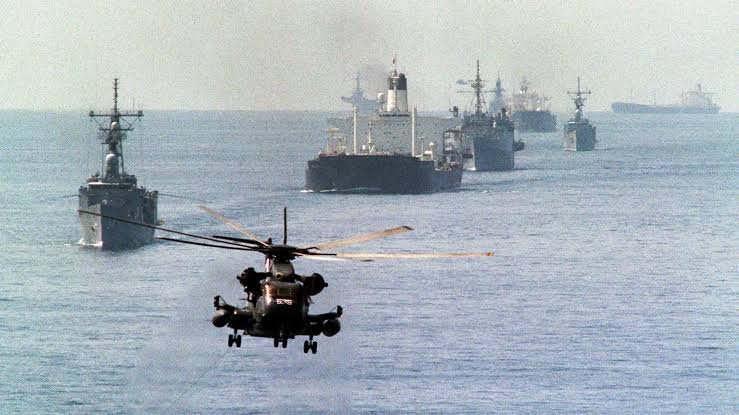
Escalating conflicts in the Gulf region have heightened the risk of naval confrontations near key chokepoints such as the Bab el-Mandeb Strait and the Straits of Hormuz. These waters are now considered high‑risk zones for commercial vessels, especially those carrying hazardous chemicals.
Security Incidents
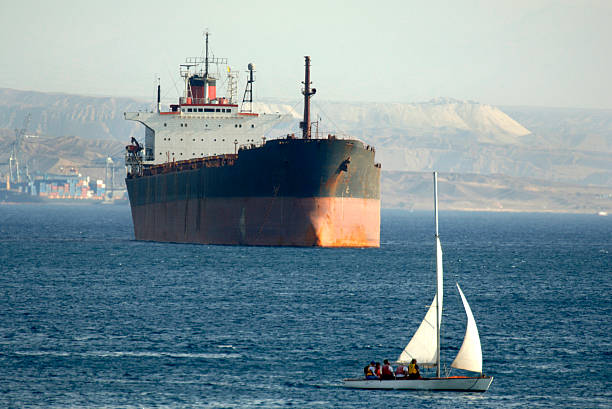
In recent years, a series of piracy attacks, missile strikes, and naval blockades have disrupted shipping lanes. The attack on a Singapore ISA tanker in 2023 underscored the vulnerability of vessels to sudden hostilities, prompting shipping companies to seek safer routes.
The Cape of Good Hope: A Strategic Alternative
Geographic Advantages
The Cape of Good Hope lies at the southern tip of Africa, offering a direct passage around the continent to connect the Atlantic and Indian Oceans. Unlike the Red Sea, this route is free from the influence of regional conflicts and is monitored by internationalែក maritime patrols另一.
Operational Challenges
Despite its safety, the Cape route introduces longer transit times and higher fuel consumption. Vessels must also navigate complex weather patterns, including cyclonic activity and the notorious Cape Horn winds. However, modernfastcall ships equipped with advanced navigation systems can mitigate these challenges.
Impact on Chemical Shipping and Freight Routes
Logistical Adjustments
Freight operators are revising cargo manifests, recalculating insurance premiums, and adjusting shipping schedules to accommodate the extended journey. Tanker routing software now incorporates Cape of Good Hope as a preferred detour in risk assessment models.
Economic Consequences
While longer voyages mean higher operational costs, the savings in reduced insurance and lower risk exposure often offset the additional expenses. Shipping lines report a 12% increase in freight rates for routes that include the Cape detour, a figure that is gradually stabilizing as carriers adjust to the new normal.
Industry Response
Major chemical exporters in Asia are investing in alternative port infrastructure near the Cape to facilitate transshipment. Some carriers have begun chartering dedicated feeder vessels to bridge the gap between the Cape and key European markets, ensuring continuity of supply chains.
Future Outlook for Maritime Trade
Risk Management Strategies
Naval security agencies are working closely with maritime insurance firms to develop dynamic risk assessment tools. These tools provide real‑time updates on conflict zones, enabling shipping companies to make informed routing decisions before departure.
Potential for Further Diversification
Beyond the Cape, other routes such as the Northern Sea Route on the Siberian coast are being explored, especially as Arctic ice recedes. However, environmental and regulatory hurdles currently limit widespread adoption.
While the toll removal eases immediate financial pressure, the broader geopolitical environment remains fraught. Ongoing tensions in the Middle East, sanctions on Iran, and sporadic maritime incidents continue to create uncertainty in shipping lanes. Shipowners are therefore maintaining a cautious stance, keeping spare capacity on standby to navigate potential blockades or reroute via longer but safer paths.
Potential Ripple Effects on Global Supply Chains
Global supply chains are interconnected; a change in one node can trigger effects downstream. Lower freight costs in the Gulf could benefit consumer goods in Europe and Asia, where shipping rates have historically been influenced by Hormuz transit fees. However, the temporary nature of the de‑escalation means that companies must remain agile, preparing for a possible reinstatement of fees or new regulatory hurdles.
Maritime Policy and Future Outlook
The decision underscores the fluid nature of U.S. maritime policy in a period of heightened strategic competition. Analysts predict that the removal of the toll may embolden the U.S. to pursue other incentives, such as expedited port clearance or reduced insurance premiums for vessels operating in high‑risk zones. Nonetheless, any future policy shift will likely be scrutinized closely by international stakeholders, with an emphasis on maintaining the stability of global shipping lanes.
Strategic Recommendations for Stakeholders
Update freight contracts to reflect the current toll status while including clauses for rapid adjustment should policy change.
Enhance cargo tracking systems to monitor geopolitical developments in real time.
Maintain a diversified routing strategy to mitigate the risk of future transit restrictions.
Engage in joint industry forums to advocate for transparent maritime policies and reduce reliance on ad‑hoc tolls.
Invest in insurance products that cover political and piracy risks specific to the Persian Gulf region.