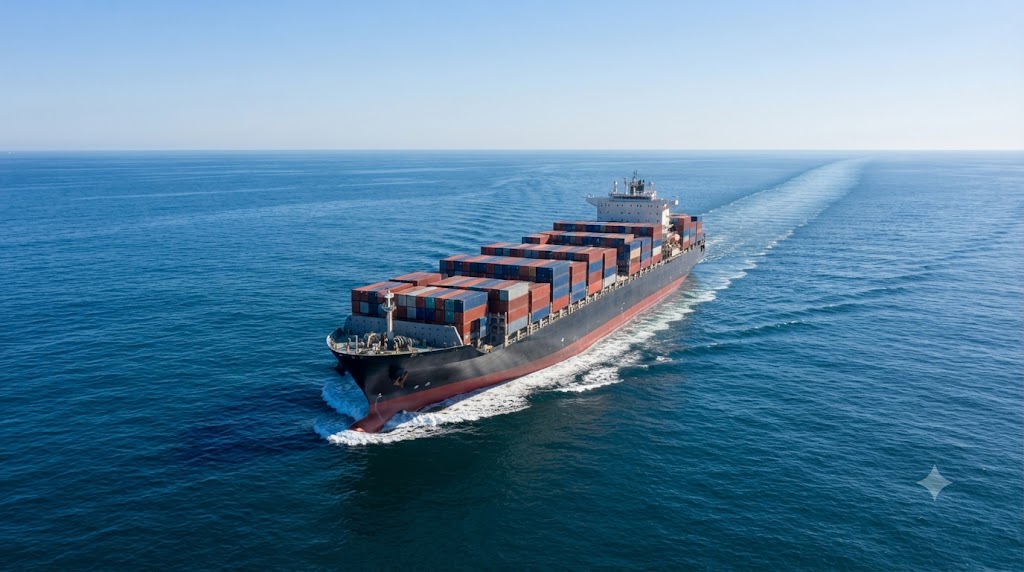
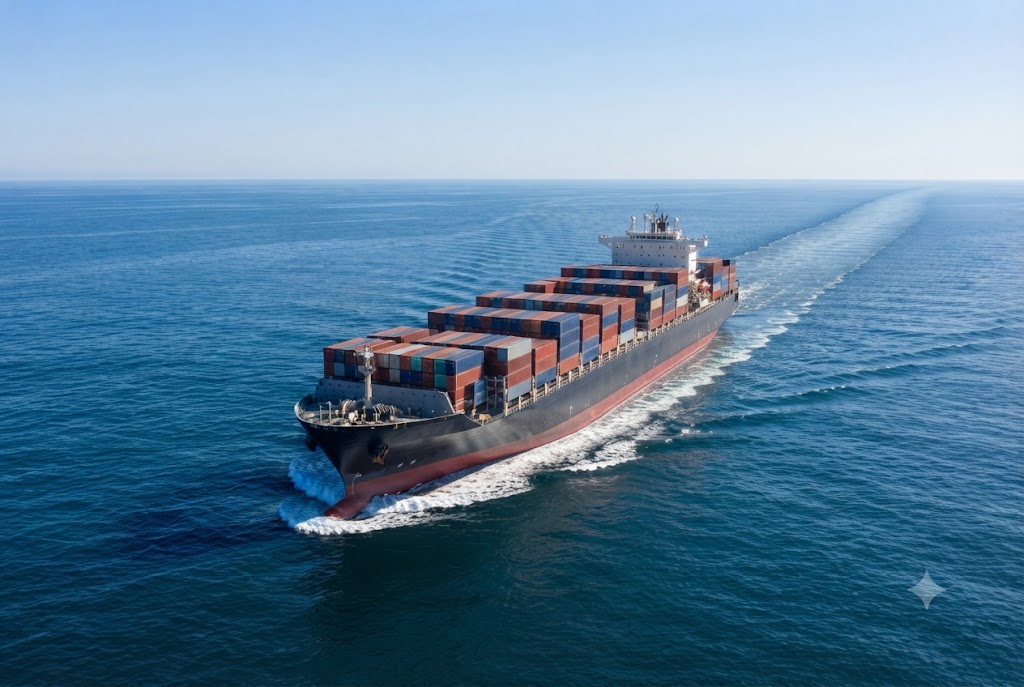
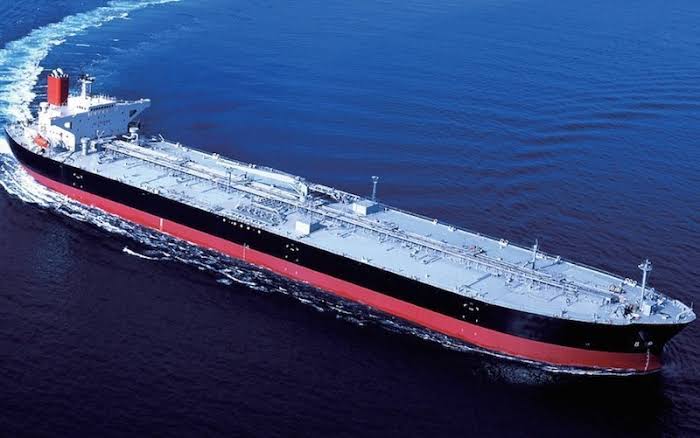
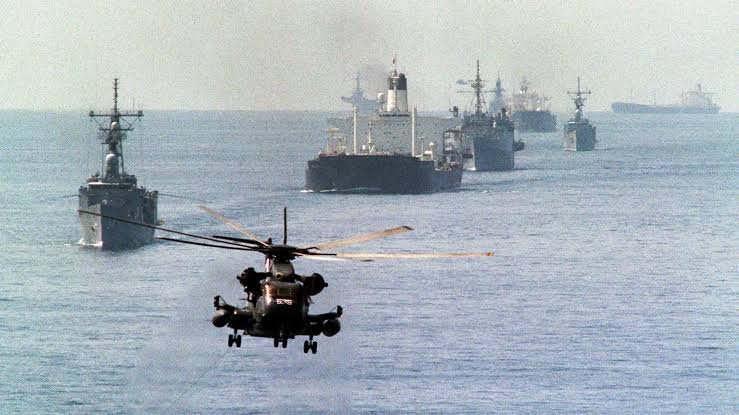
The roughly 2,700-mile detour around the Cape of Good Hope now defines modern maritime logistics for global chemical trade. This massive rerouting adds significant fuel consumption and emissions to every single voyage.
Procurement managers and chemical traders must now navigate complex carbon intensity compliance frameworks. The extended transit times directly impact supply chain reliability and freight costs.
Buyers can no longer ignore the environmental footprint of their logistics choices. Regulatory bodies are actively monitoring these extended voyages for emissions violations.
Understanding these new operational realities is essential for maintaining a competitive advantage in the global market. Companies that adapt quickly will secure better pricing and reliable deliveries.
Those that ignore these shifts will face mounting operational headaches. Proactive adaptation is the only viable path forward.
Understanding the 2,700-Mile Detour Impact
Vessels avoiding traditional maritime chokepoints now face a grueling extra journey. The Cape of Good Hope rerouting adds weeks to standard delivery schedules. This extended time at sea requires substantially more bunker fuel.
Shipping lines absorb these operational costs initially. They inevitably pass the financial burden directly to chemical shippers. Buyers see this reflected in higher freight surcharges and extended payment terms.
The geographic reality of this detour cannot be overstated. Ships must navigate the southern tip of Africa. This route exposes vessels to harsher weather conditions and unpredictable ocean currents.
These factors further slow down transit speeds and increase fuel burn rates. Port congestion at alternative loading locations creates additional delays. Vessels wait longer for berth availability.
This compounds the transit time issues significantly. Buyers must plan for these extended lead times in all procurement forecasts.
Carbon Intensity Compliance Challenges
International maritime regulations strictly monitor vessel emissions today. The International Maritime Organization enforces the Carbon Intensity Indicator framework. This metric grades ships based on their operational efficiency and environmental impact.
A longer voyage inherently burns more fuel. This increases the total carbon output per chemical shipment. Vessels risk downgrading their efficiency ratings due to this forced detour.
Chemical buyers must verify the compliance status of their carriers. Non-compliant vessels face severe operational restrictions globally. Ports may deny entry to ships with poor carbon ratings.
This creates a massive bottleneck for time-sensitive chemical deliveries. Buyers may face sudden cargo rejections at the destination port. Such disruptions halt downstream manufacturing operations entirely.
Fuel Consumption and Freight Cost Escalation
The extra distance directly correlates with higher fuel consumption. Modern chemical tankers burn thousands of tons of fuel on these extended routes. This surge in demand tightens the global bunker fuel market significantly.
Freight forwarders apply dynamic pricing to account for this volatility. Buyers face unpredictable logistics budgets every quarter. Spot market rates fluctuate wildly based on global oil price movements.
Extended voyage durations trap working capital in transit. Buyers must finance inventory for longer periods before it reaches the warehouse.
Increased bunker surcharges appear as separate line items on freight invoices. These fees change monthly based on global energy markets.
Vessel availability shrinks as ships spend more days at sea. This artificial shortage drives baseline charter rates higher across all trade lanes.
Insurance premiums rise due to the extended exposure time. Underwriters charge more for the prolonged risk period.
Supply Chain Disruption and Inventory Management
Longer transit times disrupt just-in-time manufacturing models severely. Chemical processors rely on predictable delivery windows to maintain operations. The Cape detour introduces severe variability into these critical schedules.
Buyers must hold larger safety stock buffers to survive these delays. This strategy ties up working capital and requires additional warehouse space. The carrying costs of extra inventory now compete directly with higher freight rates.
Procurement teams must recalculate their reorder points immediately. Historical lead times are no longer accurate or useful. Relying on outdated data guarantees stockouts and costly production halts.
Manufacturers must communicate these potential delays to their own customers. Transparent communication helps manage expectations and prevents contract penalties. Proactive planning is the only way to mitigate these inventory risks.
Regulatory Scrutiny and Reporting Requirements
Governments are tightening emissions reporting mandates aggressively. The European Union includes maritime transport in its emissions trading system. Voyages calling at EU ports must purchase carbon allowances for their journeys.
The extended Cape route increases the total allowances required per shipment. Chemical importers bear a significant portion of this new regulatory cost. Suppliers must provide detailed emissions data for every single voyage.
Failure to report accurately results in heavy financial penalties. Buyers must demand transparent documentation from their logistics partners. Auditors will scrutinize these records during annual compliance checks.
Non-compliance can lead to frozen assets or banned vessels. Chemical traders must ensure their partners maintain impeccable regulatory standing. This diligence protects the buyer from secondary legal liabilities.
Evaluating Alternative Feedstock and Processing Routes
Chemical producers are actively exploring alternative processing routes to bypass distant infrastructure. Some facilities are investing in localized production capabilities. This reduces their reliance on long-distance maritime imports.
Others are securing dedicated supply contracts with regional manufacturers. These partnerships minimize transit distances and lower the overall carbon footprint. Buyers should inquire about these resilience investments during supplier audits.
Facilities with robust local supply chains represent lower logistical risk. This due diligence step is critical for maintaining uninterrupted production. Downstream manufacturers rely on consistent chemical deliveries to maintain their own production schedules.
Evaluating bio-based or recycled chemical alternatives also helps. These products often have shorter and more transparent supply chains. They provide a viable hedge against maritime routing volatility.
Buyers should also consider nearshoring their chemical procurement. Sourcing from neighboring countries drastically cuts transit time. This strategy eliminates the Cape of Good Hope detour entirely.
Strategic Sourcing Adjustments for Procurement Teams
Chemical buyers must adapt their sourcing strategies to mitigate these logistical and environmental risks. Proactive planning is the only reliable defense against routing volatility.
Diversify supplier geography. Sourcing chemicals from regional producers reduces transit distances. This minimizes both fuel consumption and exposure to maritime chokepoints.
Negotiate green logistics clauses. Embed emissions reporting requirements directly into supplier contracts. Hold partners accountable for their carbon footprint and routing choices.
Evaluate alternative transport modes. Rail or pipeline networks offer lower carbon intensity for specific regional routes. These options bypass maritime emissions regulations entirely and offer faster delivery.
Implement flexible contract structures. Use hybrid pricing models that share freight volatility risk transparently. This prevents sudden financial shocks when geopolitical events trigger price spikes.
Enhance supply chain visibility. Utilize advanced tracking technologies to monitor vessel locations in real time. This allows procurement teams to anticipate delays and activate contingency plans proactively.
Partner with sustainable carriers. Prioritize shipping lines that invest in newer and more efficient vessels. These carriers maintain better carbon intensity ratings and face fewer regulatory hurdles.
What Buyers Should Do Now
The Cape of Good Hope detour is not a temporary anomaly. It represents a structural shift in global chemical logistics. Procurement professionals must treat emissions compliance as a core business priority.
Audit your current supply chain for carbon exposure today. Verify vessel tracking protocols and emissions reporting capabilities. Engage suppliers in transparent discussions about their routing contingency plans.
Building resilient sourcing networks requires decisive action. The organizations that secure low-carbon supply routes now will maintain production continuity. Others will face severe operational and financial consequences.
Do not wait for the next regulatory deadline to act. Take control of your supply chain resilience immediately. Secure your chemical supply against future environmental and logistical shocks.
Ready to source Urea (Granular) from verified global suppliers? Explore competitive offers on our platform today.