
Carbon Black: Industrial Uses, Applications and Procurement Insights
arbon black is an essential industrial material that supports the performance, durability and appearance of products used across multiple manufacturing sectors. From automobile tyres and industrial rubber goods to plastic components and protective coatings, manufacturers rely on its reinforcing, colouring and ultraviolet (UV) protection properties.
For chemical traders, importers and procurement managers, carbon black offers opportunities across both high-volume industrial applications and specialised manufacturing segments. However, selecting the right grade requires more than comparing prices. Particle characteristics, dispersion performance, application requirements and consistent supply all influence the suitability of the material.
What Is Carbon Black and How Is It Produced?
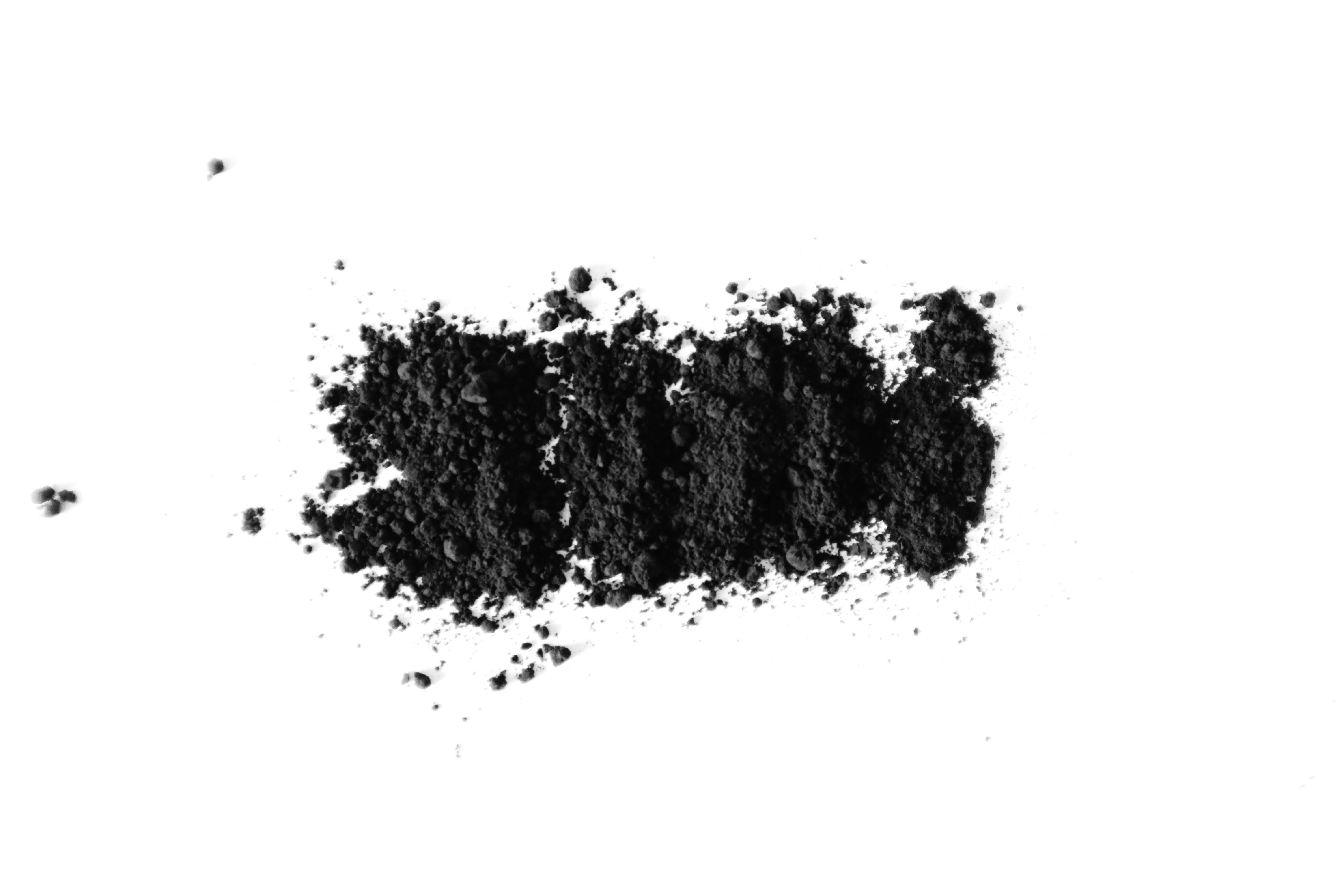
Carbon black is a finely divided form of elemental carbon produced through the controlled incomplete combustion or thermal decomposition of hydrocarbon feedstocks. It appears as a black powder or pellet and contains carbon particles that form larger aggregates and structures.
Manufacturers use carbon black because its physical properties can improve the performance of rubber, plastics, inks and coatings. Its particle size, surface area, structure and surface chemistry determine how it behaves in different industrial formulations.
Common Production Methods
The furnace black process represents one of the major commercial production methods. Manufacturers introduce liquid hydrocarbon feedstocks into a high-temperature reactor under controlled conditions. The resulting reaction produces carbon particles, which manufacturers collect, process and prepare for industrial use.
Other production methods include:
Thermal black process: Uses high-temperature decomposition of hydrocarbons to produce carbon particles with particular structural characteristics.
Acetylene black process: Uses acetylene decomposition to produce highly conductive carbon black for specialised applications.
Channel and lamp black processes: Traditional production methods that produce carbon pigments for selected industrial uses.
After production, manufacturers may pelletise the material to improve handling, storage and transportation. The final product can take the form of powder, fluffy material or compacted pellets, depending on its intended application.
Carbon Black Applications in Tyre and Rubber Manufacturing
The tyre industry represents one of the most important consumption segments for carbon black. Tyre manufacturers incorporate it into rubber compounds to improve mechanical strength, wear resistance and overall product durability.
Carbon black reinforces natural and synthetic rubber by interacting with the polymer structure. This reinforcement helps rubber withstand repeated deformation, friction and mechanical stress during operation.
Role in Tyre Production
Different carbon black grades support different tyre components. Manufacturers select specific grades according to the performance requirements of tread compounds, sidewalls and other rubber sections.
Its major contributions include:
Abrasion resistance: Helps tyre treads withstand continuous contact with road surfaces and reduces premature material wear.
Tensile strength: Improves the ability of rubber compounds to withstand pulling forces and mechanical stress.
Flexibility and fatigue resistance: Supports repeated deformation during tyre movement and operation.
Heat management: Influences heat generation and dissipation within rubber compounds, depending on the selected grade and formulation.
Product durability: Helps manufacturers develop rubber compounds with longer service performance.
Tyre manufacturers carefully balance reinforcement, rolling resistance and traction when selecting carbon black. A grade that improves one performance characteristic may affect another, making formulation testing essential.
Other Industrial Rubber Products
Carbon black also supports manufacturing beyond passenger and commercial vehicle tyres. Industrial rubber producers use it in:
Conveyor belts for material handling operations.
Automotive hoses and sealing components.
Industrial gaskets and protective rubber parts.
Rubber footwear and floor coverings.
Vibration-control components and mechanical belts.
Agricultural and construction equipment rubber parts.
For these applications, manufacturers select grades according to the required strength, flexibility, abrasion resistance and processing behaviour.
Carbon Black in Plastics and Polymer Manufacturing
Plastic manufacturers use carbon black for pigmentation, UV protection and electrical conductivity. Its ability to produce deep black colouring makes it valuable in applications where appearance and material performance both matter.
The material also helps protect certain polymers from ultraviolet radiation. Exposure to sunlight can gradually degrade susceptible plastics, causing colour changes, brittleness and reduced mechanical performance.
Applications in Plastic Products
Carbon black appears in several plastic manufacturing applications:
Plastic pipes: Provides black pigmentation and UV protection in suitable pipe formulations.
Agricultural films: Helps protect selected plastic films against sunlight exposure.
Automotive components: Supports black colouring and UV stability in exterior and interior plastic parts.
Cable insulation: Provides pigmentation and, in specialised formulations, electrical conductivity.
Packaging materials: Creates consistent black colouring in selected industrial and commercial packaging products.
Plastic masterbatches: Serves as a concentrated pigment that manufacturers blend into base polymers during processing.
Importance of Grade Selection
Not every carbon black grade performs equally in plastic formulations. Particle size, surface area and dispersion characteristics influence the final product's appearance and physical properties.
Poor dispersion can create visible black spots, uneven colouring and inconsistent surface finishes. It may also affect processing efficiency and the quality of finished plastic products.
Manufacturers should therefore evaluate carbon black compatibility with the polymer system, processing temperature and required end-product specifications before approving a supplier.
Industrial Coatings, Paints and Printing Applications
Carbon black provides strong black pigmentation in industrial coatings, paints and printing inks. Manufacturers value its colouring strength, durability and ability to support specialised coating performance.
In industrial coatings, the material helps create deep black finishes for machinery, metal structures, automotive components and protective surfaces.
Applications in Paints and Coatings
Carbon black serves several functions in coating formulations:
Black pigmentation: Produces deep black shades in industrial and automotive coatings.
UV protection: Helps protect suitable coating systems and underlying materials from ultraviolet degradation.
Electrical conductivity: Specialised conductive grades support antistatic and electrically conductive coating formulations.
Appearance control: Influences colour strength, undertone, gloss and finish quality.
Formulation performance: Particle characteristics and surface chemistry affect dispersion, viscosity and coating stability.
The correct grade depends on the coating system, required colour intensity and production method. Manufacturers must also consider compatibility with binders, solvents and other formulation ingredients.
Printing Inks and Specialised Uses
Printing ink producers use carbon black to achieve strong black colour, consistent printing quality and suitable optical characteristics. Different grades support different requirements in packaging inks, industrial printing and other printing applications.
Specialised carbon black grades also serve batteries, conductive plastics and selected electronic applications. These uses require careful control of electrical properties and material consistency.

Key Factors Affecting Carbon Black Quality and Performance
Carbon black selection directly influences the quality of finished industrial products. Buyers should understand the technical characteristics that differentiate commercial grades before placing bulk orders.
Particle Size and Surface Area
Particle size influences colouring strength, reinforcement and dispersion behaviour. Smaller particles generally provide higher surface area and can deliver stronger reinforcement or colour development, depending on the formulation.
However, higher surface area can also increase processing demands. Manufacturers should select a suitable balance between performance requirements and production efficiency.
Structure and Dispersion
Carbon black particles form aggregates with different structural arrangements. This structure affects reinforcement, conductivity and the behaviour of the material during mixing.
Dispersion determines how evenly carbon black distributes throughout rubber, plastic or coating formulations. Poor dispersion can create defects and inconsistent product performance.
Common Commercial Grades
Commercial carbon black grades often follow ASTM designation systems. Buyers may encounter grades such as N220, N330 and N550 in rubber applications, although their suitability depends on the intended formulation.
N330 is a widely recognised general-purpose reinforcing grade used in various rubber applications. Specialised applications may require different grades with specific particle characteristics, surface areas or conductivity properties.
Global Sourcing and Procurement Considerations
Carbon black procurement requires a clear understanding of technical specifications, supplier capabilities and logistics requirements. Buyers operating in international chemical markets should evaluate both product quality and the supplier's ability to maintain consistent deliveries.
Several factors deserve attention before finalising a purchase.
Grade availability: Confirm that the supplier can provide the exact carbon black grade required for the intended application.
Technical documentation: Request a Certificate of Analysis (CoA), Technical Data Sheet (TDS) and Safety Data Sheet (SDS).
Product consistency: Compare particle characteristics, tint strength and other relevant specifications across different batches.
Packaging options: Evaluate bags, bulk bags and other suitable packaging formats according to storage and handling facilities.
Supplier reliability: Review production capabilities, previous supply experience and the ability to fulfil recurring orders.
Commercial terms: Compare product prices, minimum order quantities, payment conditions and delivery arrangements.
Import requirements: Check applicable customs classification, documentation and destination-market regulations before shipment.
Storage and Transportation
Carbon black requires appropriate handling because its fine particles can become airborne during transfer and storage. Suppliers and industrial buyers should use suitable packaging to reduce dust release and prevent contamination.
Warehouses should maintain dry storage conditions and protect packaging from damage. Buyers should also establish proper ventilation, housekeeping procedures and dust-control measures at handling locations.
What Buyers Should Consider Before Purchasing Carbon Black
Industrial procurement teams should connect their purchasing decisions with actual manufacturing requirements. A lower purchase price does not necessarily provide better value if the material creates dispersion problems, inconsistent colouring or production delays.
Before approving a supplier, buyers should consider the following steps:
Define the application: Identify whether the material will serve tyre reinforcement, plastic pigmentation, industrial coatings or another manufacturing purpose.
Confirm the required grade: Match the supplier's specification with the manufacturer's approved formulation.
Request samples: Conduct laboratory and production trials before committing to large-volume purchases.
Review batch consistency: Compare CoAs from different batches to identify specification variations.
Evaluate total procurement cost: Include freight, customs duties, packaging and handling expenses when comparing offers.
Establish supply continuity: Discuss order schedules, inventory availability and future delivery requirements.
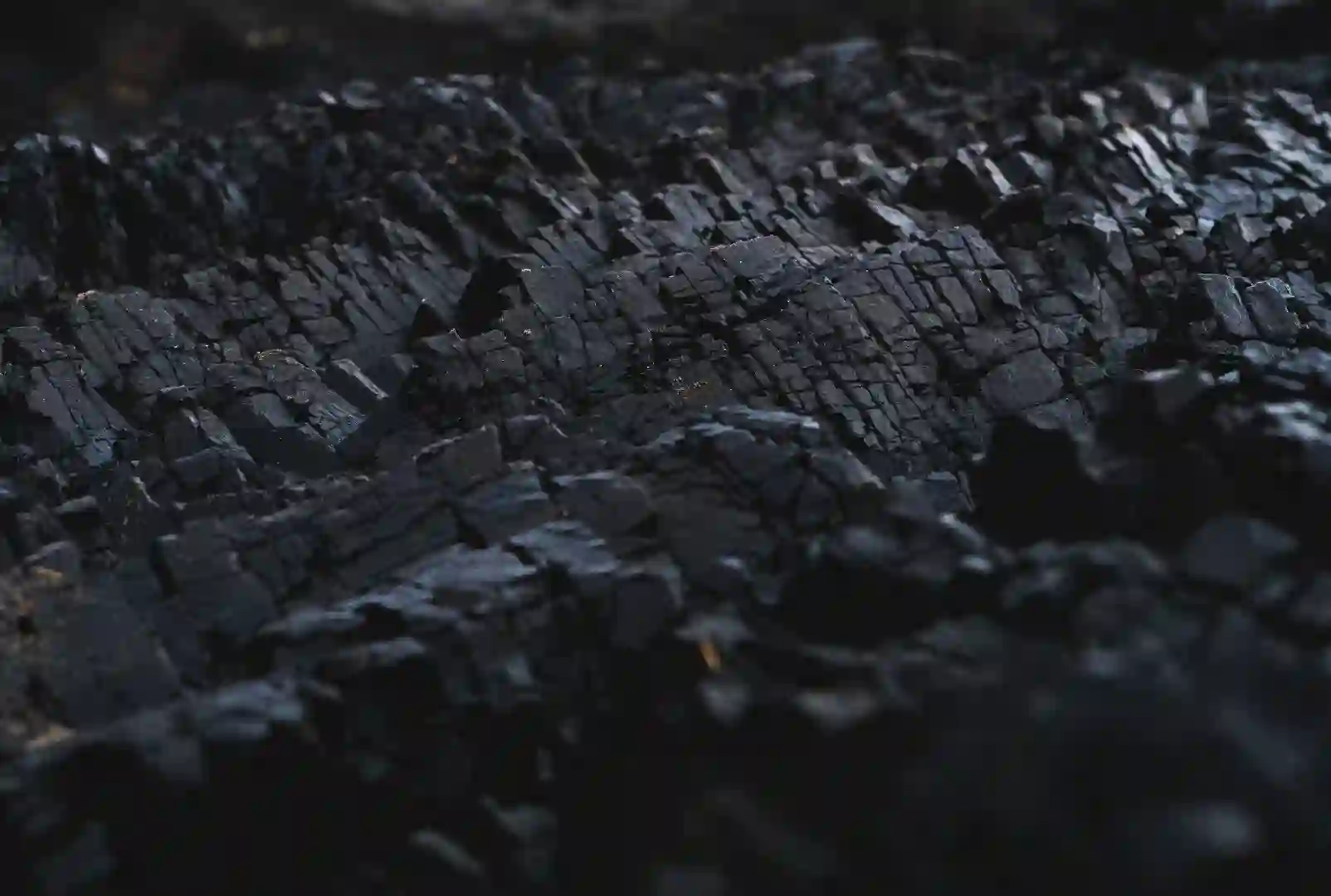
For buyers sourcing Carbon Black (N330) - China, confirming the grade specification and obtaining representative samples can help reduce quality risks before bulk procurement.
The outlook for carbon black procurement remains closely connected to tyre production, automotive manufacturing, plastics processing and industrial coating demand. Manufacturers will continue to require materials that deliver reliable performance, consistent quality and efficient processing.
Procurement teams that prioritise technical suitability, supplier verification and long-term supply planning can make better purchasing decisions across these applications
Carbon Black (N330) - China
SOURCE LINK :https://www.carbon-black.org/uses-of-carbon-black
Found this useful?