Long‑Term Carbon Fiber Supply Matters
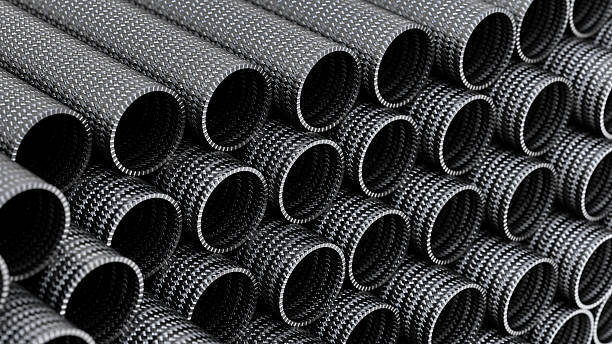
Carbon fiber is the backbone of modern aerospace and defense platforms, offering superior strength‑to‑weight ratios that enable lighter, more fuel‑efficient aircraft and resilient armored vehicles. Yet the specialty market for carbon fiber is highly volatile: price spikes, limited production capacity, and geopolitical risks can disrupt supply. A five‑year commitment gives manufacturers a predictable cost base and secure access to the material they need to meet stringent performance and certification requirements.
Supply Security in a Volatile Market
Securing a long‑term সফল supply of carbon fiber addresses three core challenges:
Price Stability: Fixed pricing protects budgets against market swings.
Capacity Assurance: Contracts lock in production slots at leading fiber manufacturers.
Risk Mitigation: Diversified sourcing reduces exposure to single‑source disruptions.
These factors collectively strengthen the aerospace supply chain, enabling firms to plan long‑term design and production cycles with confidence.
Enhancing Production Planning and Time‑to‑Market
With a guaranteed supply, engineers can lock in material specifications far ahead of critical milestones. This early certainty allows:
Design optimization for weight and fatigue life.
Parallel development of tooling and manufacturing processes.
Reduced lead times for component fabrication.
In defense programs where schedule adherence is vital, a stable carbon fiber source translates directly into faster deployment of new platforms and upgrades.
Driving Innovation in Advanced Composites
Long‑term agreements provide a foundation for research and development initiatives. Manufacturers can invest in new resin chemistries, hybrid fiber blends, and fabrication techniques without the immediate pressure of material cost uncertainty.
For example, composite engineers can:
Experiment with high‑temperature resins to meet next‑generation engine requirements.
Test novel lay‑up sequences that enhance crashworthiness.
Integrate sensor networks into composite skins for real‑time health monitoring.
These advances push the performance envelope of aerospace and defense assets.
Strengthening the Specialty Materials Ecosystem
Beyond the immediate benefits to manufacturers, a five‑year supply agreement stimulates the broader specialty materials market:
Encourages capacity expansion at fiber producers, raising overall supply.
Creates opportunities for allied specialty chemical suppliers to develop tailored resins.
Fosters collaboration between material scientists and defense contractors on variedades of advanced composites.
Such ecosystem growth ultimately classroom the resilience and capability of the national defense industrial base.
Strategic Procurement: Aligning with Defense Priorities
Defense procurement officials increasingly prioritize long‑term supply chain stability. A five‑year carbon fiber commitment aligns with strategic goals such as:
Redundancy of critical materials.
Reduced dependence on foreign suppliers.
Enhanced readiness for rapid program scaling.
By embedding these principles into procurement strategy, agencies can more effectively manage risk and ensure that critical platforms remain operational.
A Blueprint for Future‑Proof Manufacturing
A five‑year carbon fiber supply agreement is more than a contract; it is a cornerstone of modern aerospace and defense manufacturing. It delivers supply security, price predictability, and a launchpad for innovation, reinforcing the entire supply chain from raw material to finished system. As the demand for lighter, stronger, and smarter aircraft and vehicles grows, such long‑term commitments will become essential to sustaining national security and maintaining technological leadership.