Caustic Soda & PVC Global Supply-Demand Review 2026
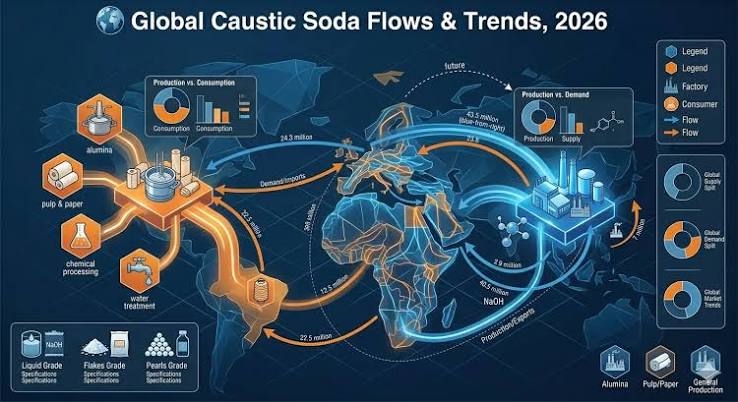
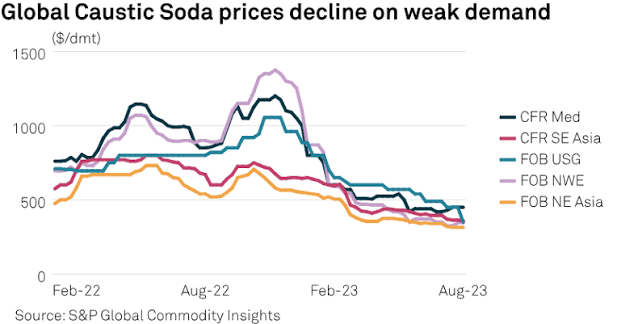
The global caustic soda and PVC markets entered 2026 with contrasting supply-demand dynamics. While the PVC market remained oversupplied following capacity expansions in key producing regions, the caustic soda market transitioned from the supply tightness experienced earlier in 2025 to a more balanced position. Industry analysts expect the outlook for both products in 2026 to depend largely on the pace of global construction recovery, industrial demand, and how new production capacity—particularly from Qatar—is absorbed into international trade flows.
For chemical manufacturers, distributors, and procurement professionals, understanding the interconnected nature of chlor-alkali products is essential for managing pricing, sourcing, and long-term supply chain strategies.
Why the Chlor-Alkali Market Matters
Caustic soda and PVC are fundamental materials supporting a wide range of industrial sectors worldwide.
Major industries relying on these products include:
Construction and Infrastructure
Water Treatment
Pulp and Paper
Textiles
Aluminum Processing
Packaging
Automotive
Electrical and Cable Manufacturing
Because chlorine and caustic soda are co-produced through the chlor-alkali process, changes in demand for one product often influence the supply and pricing of the other, particularly PVC.
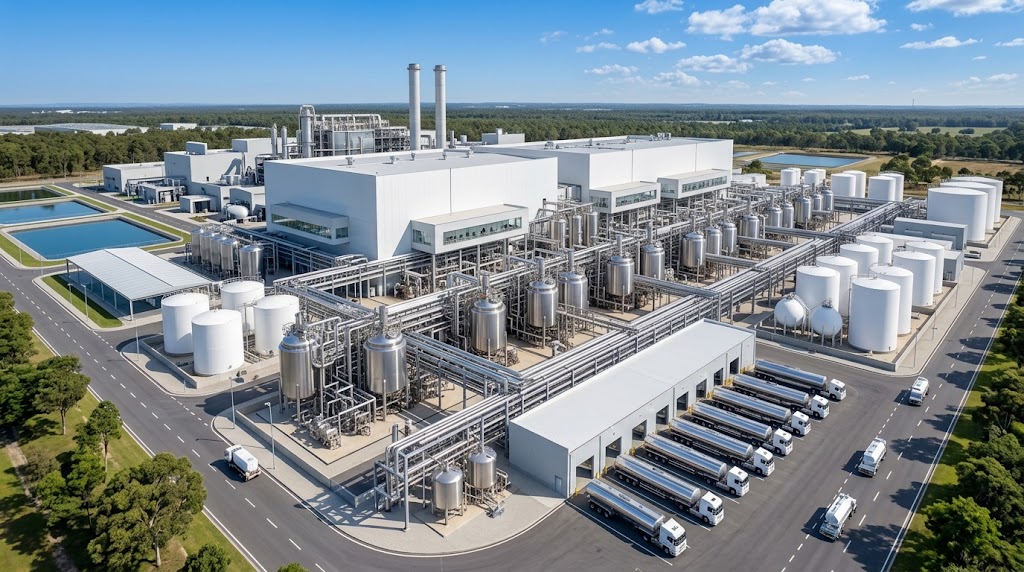
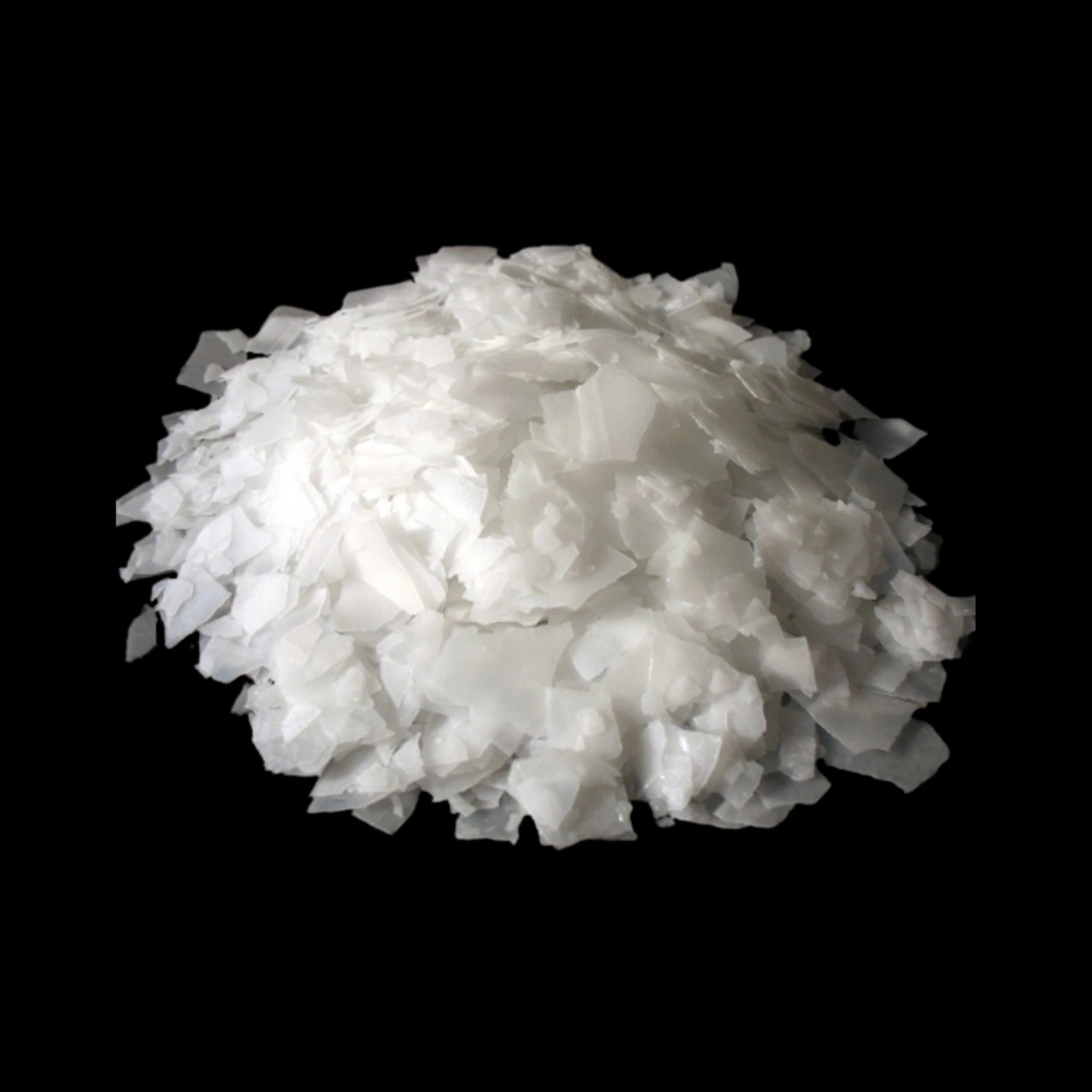
The chlor-alkali industry produces essential chemicals including Caustic Soda (Sodium Hydroxide), PVC Resin, Hydrochloric Acid (HCl), Ethylene Dichloride (EDC), Vinyl Chloride Monomer (VCM), and Sodium Hypochlorite. These products are widely used in construction, water treatment, paper manufacturing, textiles, packaging, and industrial processing. Shifts in supply-demand fundamentals directly influence production costs and procurement strategies across these sectors.
Caustic Soda Flakes
Market Implications
Current market conditions may result in:
Continued oversupply in the global PVC market
More balanced caustic soda supply after earlier shortages
Increased export competition from new Middle Eastern production
Stable-to-soft pricing for PVC
Regional pricing differences based on freight costs and construction demand
Greater focus on operational efficiency among chlor-alkali producers
The commissioning of new facilities, particularly in feedstock-advantaged regions such as Qatar, could reshape regional trade flows over the coming years.
Procurement Considerations
Procurement professionals should:
Monitor construction sector demand for PVC products
Track new chlor-alkali capacity additions
Diversify suppliers across multiple geographic regions
Review freight costs and shipping availability
Monitor energy prices affecting chlor-alkali production
Secure strategic supply agreements during favorable pricing periods
Maintaining supplier diversification and market visibility can help mitigate pricing volatility while ensuring uninterrupted supply.
Looking Ahead
The outlook for the chlor-alkali industry remains closely tied to global economic activity, infrastructure investment, and manufacturing demand. While excess PVC capacity may continue limiting price growth, improving construction activity could gradually rebalance the market. Meanwhile, caustic soda demand from alumina, pulp and paper, and water treatment sectors is expected to provide ongoing market support.
For procurement teams, monitoring capacity expansions, regional demand shifts, and export trends will remain critical for optimizing sourcing strategies throughout 2026.
Key Takeaways
Global PVC markets remain oversupplied entering 2026.
Caustic soda has moved from supply tightness toward a more balanced market.
Construction demand will be a major factor influencing PVC prices.
New production capacity in Qatar could reshape international trade flows.
Procurement teams should monitor supply additions, energy costs, and regional demand trends.
Found this useful?