Cefic Q1 2026: European Fertilizer Production Under Pressure | ChemicalsBlog.com
Agrochemicals & Fertilizers
schedule4 Min Read
Cefic Q1 2026 and European Fertilizer Production: What the Latest Data Reveals
terminal
prodchem
Jul 10, 2026
The latest Cefic Q1 2026 Chemical Trends Report highlights the continued challenges facing Europe's chemical industry. While overall business confidence has improved slightly, production remains under pressure, with EU27 chemical output declining by 3.2% year-on-year during the first quarter of 2026.
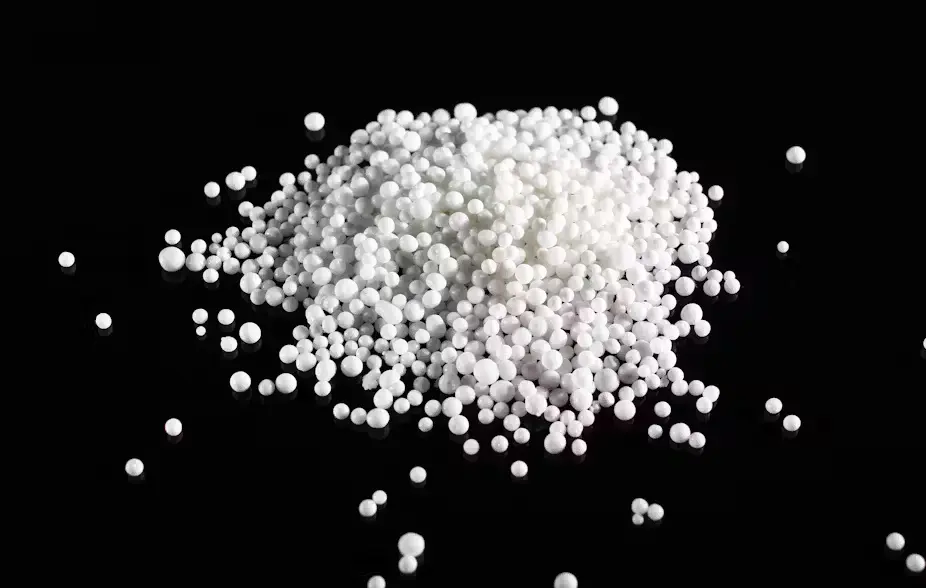
Among the sectors facing the greatest structural challenges is nitrogen fertilizer production. Unlike many other chemical products, ammonia and urea manufacturing depend heavily on natural gas, making production costs extremely sensitive to energy prices. With European natural gas prices remaining significantly above those in the United States, European fertilizer producers continue to face a difficult competitive environment.
For fertilizer buyers, distributors, and procurement professionals, the latest data reinforces an important reality: Europe's nitrogen fertilizer market is likely to remain increasingly dependent on imports for the foreseeable future.
Why Natural Gas Matters in Fertilizer Production
Nitrogen fertilizers begin with ammonia, which is produced using the Haber-Bosch process.
Natural gas serves two essential functions:
As the primary hydrogen feedstock
As the main energy source for production
Since gas accounts for a significant portion of ammonia manufacturing costs, fluctuations in energy prices have a direct impact on fertilizer competitiveness.
When natural gas prices rise sharply, production costs increase almost immediately.
Europe's Cost Challenge
One of the most significant findings in the Cefic report is Europe's continued energy disadvantage.
Natural gas prices in Europe remain substantially higher than those in the United States, where abundant shale gas provides manufacturers with a significant cost advantage.
As a result, European producers face increasing competition from lower-cost international suppliers.
Production Pressures Across the Industry
The report also indicates that production declines have been particularly noticeable in several basic chemical sectors.
Higher operating costs have encouraged many manufacturers to:
Reduce production rates
Optimize plant utilization
Delay capacity expansion
Review long-term investment plans
Increase reliance on imported raw materials where economically viable
These decisions reflect structural market conditions rather than short-term fluctuations.
Growing Dependence on Imports
As domestic production becomes more expensive, imported nitrogen fertilizers are expected to play an increasingly important role in Europe's supply mix.
Imports from regions with lower production costs can help offset domestic supply constraints while improving market availability.
For procurement teams, this means supplier diversification and international sourcing strategies are becoming more important than ever.
Procurement Considerations
The evolving market environment highlights several priorities for fertilizer buyers.
Procurement teams should focus on:
Supplier diversification
Long-term supply agreements
Market price monitoring
Energy market developments
Import logistics planning
Supply chain resilience
Inventory management
Combining domestic and international sourcing can help reduce supply risks while maintaining flexibility.
Building a Resilient Fertilizer Supply Strategy
Given the structural nature of Europe's energy challenge, procurement decisions should extend beyond short-term pricing.
Organizations can strengthen supply security by:
Maintaining multiple qualified suppliers
Monitoring production trends
Evaluating supplier financial health
Planning purchases well ahead of seasonal demand
Reviewing transportation and storage capacity
These practices help reduce exposure to market volatility and improve long-term procurement resilience.
Looking Ahead
The latest Cefic data suggests that Europe's nitrogen fertilizer sector continues to face structural challenges driven primarily by higher energy costs. While the broader chemical industry is showing signs of gradual stabilization, ammonia and urea production remain under significant competitive pressure compared with lower-cost producing regions.
For procurement professionals, this reinforces the importance of proactive sourcing strategies, diversified supplier networks, and continuous market monitoring. As Europe's fertilizer market continues to evolve, organizations that combine reliable import partnerships with effective risk management will be better positioned to ensure stable supply and support future agricultural demand.
Key Takeaways
Europe's chemical production declined during Q1 2026, reflecting ongoing market challenges.
Nitrogen fertilizer manufacturing remains heavily influenced by natural gas prices.
Higher European energy costs continue to reduce the competitiveness of domestic ammonia and urea production.
Import sourcing is expected to remain an important component of Europe's fertilizer supply.
Diversified procurement strategies can improve supply security and reduce long-term sourcing risks.