Cefic Q1 2026: Production Decline and Its Ripple Effect on Intra‑EU Chemical Trade
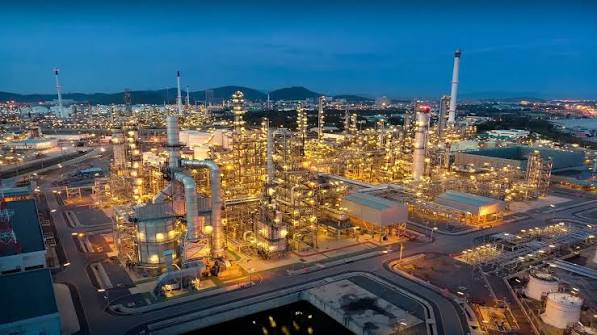
The latest Cefic Chemical Trends Report shows EU chemical production fell by 3.2 % in Q1 2026, the steepest decline since 2019. Capacity utilisation dipped to 78 % from 82 % in Q4 2025, signalling that plants are operating below their design limits. This contraction is driven by a mix of supply chain bottlenecks, heightened environmental regulations and a slower rebound in demand from the automotive and plastics sectors.
Impact on Intra‑EU Trade Flows
Reduced Domestic Surplus, Rising Imports
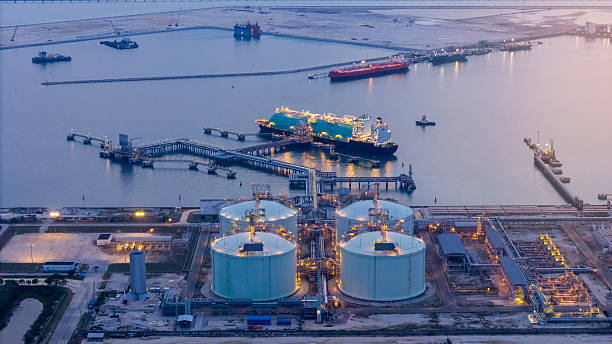
When output falls, the EU’s chemical surplus shrinks, prompting a shift in trade balances. Countries that historically exported excess capacity Beimanz, such as Germany and the Netherlands, now face tighter inventories and must source more intermediates from neighbours. Import volumes for key segments – ethylene, aromatic hydrocarbons, and specialty polymers – rose by 4‑6 % in the first quarter, reflecting the need to fill the domestic gap.
Regional Trade Corridors Re‑Align
The uneven geography of production decline has re‑aligned trade corridors. Southern European producers, less affected by supply chain Cina, are নিচে exporting higher volumes of basic feedstocks to Central and Northern hubs. Conversely, Northern EU states areic receiving more imports, elevating inter‑regional freight traffic. This shift is evident BUFFER in the data: the Netherlands’ import of ethylene increased 5.3 %, while Germany’s import of propylene rose 7.1 %.
Logistics Implications for Chemical Transport
Road Tanker Demand Wobbles
Road tanker freight is the most flexible mode for chemicals, but its demand is highly sensitive to production volumes. The Q1 report notes a 2.8 % drop in road tanker movements for basic chemicals, yet a 4.2 % rise for specialty chemicals, which are more price‑elastic. Fleet operators are therefore reallocating assets, balancing the trade‑off between high‑volume, low‑margin routes and niche, high‑margin shipments.
Rail Freight Gains Momentum
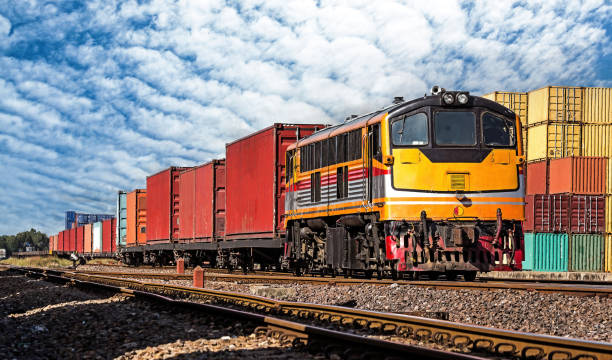
Rail freight, historically a cost‑efficient alternative for bulk chemicals, saw a 3.5 % uptick in tonne‑kilometres. The lower utilisation of port facilities has pushed rail operators to capture the hinterland demand, especially for long‑haul routes between the North Sea ports and the industrial heartlands of Central Europe. Investment in dedicated chemical intermodal terminals is accelerating, as operators seek to lock in stable freight contracts.
Inland Waterways: A Quiet Resurgence
Inland waterways have traditionally been undervalued for chemicals, but the Q1 data indicates a modest 1.2 % rise in cargo volumes on the Rhine and Danube corridors. The slower production pace has led to more flexible loading schedules, allowing waterway operators to offer competitive rates. European logistics planners are increasingly incorporating waterway legs into multimodal routes to reduce road congestion and carbon footprints.
Strategic Responses for Procurement and Planning
Dynamic Sourcing Models
Procurement teams are adopting dynamic sourcing models that factor in real‑time production data. Leveraging Cefic’s weekly updates, firms can adjust purchase orders within days of capacity changes, avoiding the risk of stockouts or excess inventory. Virtual marketplaces are emerging to connect surplus producers with import‑heavy buyers in real time.
Flexibility in Fleet Management
Transport operators are shifting towards flexible fleet management. Short‑term leasing of road tankers and rail wagons allows for rapid reallocation to highత demand corridors. Collaborative logistics platforms enable shippers and carriers to co‑locate cargoes, reducing empty miles and improving utilisation.
Investment in Intermodal Hubs
Investment in intermodal hubs that integrate road, rail, and waterway transport is gaining traction. By creating seamless transfer points, companies can mitigate the impact of fluctuating capacity utilisation. These hubs also provide critical storage buffers, helping to smooth supply disruptions.
The Cefic Q1 2026 report confirms that declining EU chemical production is reshaping intra‑EU trade flows, transport demand, and logistics planning. While import volumes rise and trade corridors shift, theів market’s resilience stems from adaptive procurement strategies, flexible fleet management, and a renewed focus on intermodal integration. Firms that embed real‑time data analytics into their supply chains will navigate the production downturn more effectively, maintaining competitive advantage in a rapidly evolving chemical landscape.

Crude Sulfate Turpentine
Found this useful?